
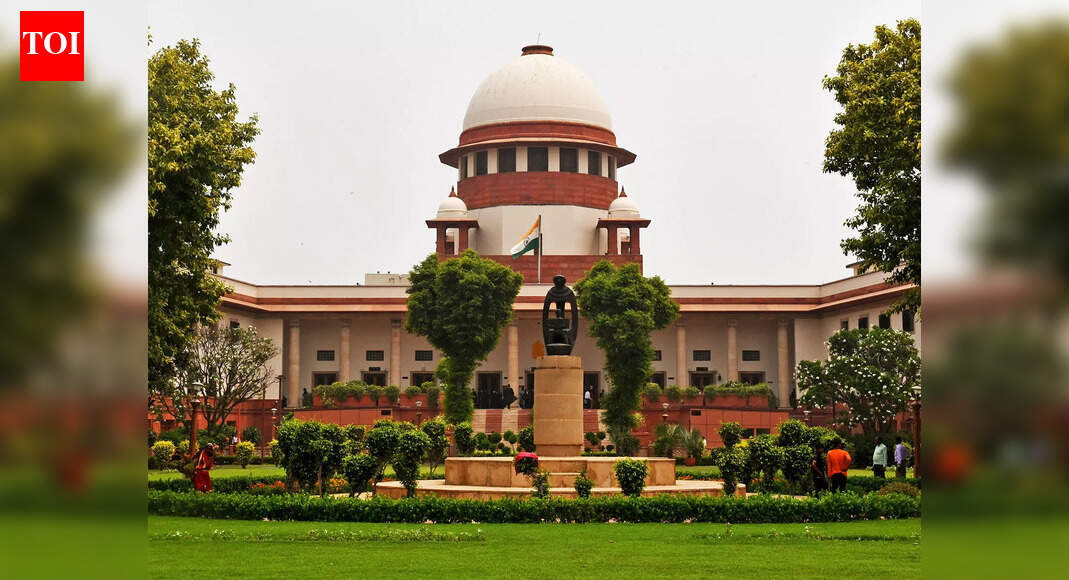
The Supreme Court urged the Centre and Tamil Nadu to avoid making the Jawahar Navodaya Vidyalaya (JNV) school establishment a language issue. Justices emphasized focusing on rural students’ education and suggested the state present its two-language policy for consideration, viewing it as an opportunity, not an imposition. Supreme CourtSupreme CourtSupreme CourtSupreme CourtSupreme Court12 NEW DELHI: The Supreme Court on Monday asked both the Centre and the Tamil Nadu government “not to make it into a language issue” while hearing the state’s plea challenging a Madras high court order directing it to establish Jawahar Navodaya Vidyalaya (JNV) schools.The observation was made by a bench of Justices BV Nagarathna and R Mahadevan after senior counsel P Wilson, appearing for the DMK-led Tamil Nadu government, argued that the Centre should adopt a two-language formula in line with the state’s policy instead of the three-language formula under the National Education Policy (NEP) 2020.As the Centre’s counsel began to respond, the bench urged both parties to refrain from turning the matter into a language issue.“Don’t make it into a language issue. We are a federal society. You are part of the Republic. If you come one step forward, they will also come one step forward. We are concerned with rural students getting an education. The directions were passed only in the interest of students who are entitled to be admitted to such schools,” Justice Nagarathna said.She was referring to a direction issued by the Supreme Court earlier during the hearing asking the state to ascertain the extent of land required for establishing JNVs.The bench further suggested that the Tamil Nadu government could place its two-language policy before the Centre, which could then consider it, instead of both sides sparring over the issue.“You can’t have this ‘my state, my state’ approach. This attitude must go. You come one step forward, they will also come one step forward,” the court remarked.The bench also observed that the state government should view the move as an “opportunity rather than an imposition.”“Don’t take it as an imposition; it is an opportunity for your students. You can say this is our language policy, and they cannot discredit your policy,” Justice Nagarathna noted.(With ANI inputs)About the AuthorTOI News DeskThe TOI News Desk comprises a dedicated and tireless team of journalists who operate around the clock to deliver the most current and comprehensive news and updates to the readers of The Times of India worldwide. With an unwavering commitment to excellence in journalism, our team is at the forefront of gathering, verifying, and presenting breaking news, in-depth analysis, and insightful reports on a wide range of topics. The TOI News Desk is your trusted source for staying informed and connected to the ever-evolving global landscape, ensuring that our readers are equipped with the latest developments that matter most.”Read MoreEnd of ArticleFollow Us On Social MediaVideosUS Starts Mandatory Social Media Checks For H-1B Visas Leaving Indian Professionals Most ExposedBJP’s Succession Script Repeats: Why Nitin Nabin Is Working President, And Not Nadda’s ReplacementEnd Of MGNREGA? What VB–G Ram G Means For Rural Workers, Farmers And Viksit Bharat PlanFrom Missiles To Torpedoes, DRDO Outlines India’s Big Defence Push For Near-Term Battlefield EdgePM Modi Begins Jordan, Ethiopia, Oman Tour To Boost Ancient Ties, Expand India’s Global South RoleIndian Diaspora Members Prepare Cultural Performances Ahead Of PM Modi’s Jordan VisitFrom Power Cuts To 500 GW Grid, India Emerges As Global Data Centre Hub Under Modi: Piyush GoyalCong’s ‘Modi Teri Kabr Khudegi’ Slogan Sparks Uproar, NDA Seeks Apology As Parliament Grinds To Halt”Abusing PM Does Not Befit” Rijiju Seeks apology From Congress Over Anti-Modi SlogansYogi Adityanath Targets Nehru Over Kashmir, Links Historic Blunder To India’s Long Terror Crisis123Photostories‘Damini’, ‘OMG! Oh My God’, ‘Prem Rog’: Bollywood movies that sparked social change and redefined mainstream storytelling5 pet fish that change colour and why it happens6 Traditional egg curries from different parts of the countryAnkita Lokhande and Vicky Jain’s love story: From being close friends to getting remarried in EuropeUttarakhand Govt announces snow leopard tour to boost winter tourism; 5 other Indian spots to see the Big CatMrunal Thakur’s colourful Paithani saree is a bold love letter to Maharashtrian cultureFrom ethnic glam to chic streetwear: ‘Bigg Boss 19’ fame Farrhana Bhatt’s fashion diaryWhat is binge eating disorder and how to fix it?9 Auspicious Symbols According To Your Birth Date‘Housefull 5’, ‘Sikandar’, ‘Nadaaniyan’: 2025 films that struggled to make an impact at the box office123Hot PicksBondi beach attackCorona RemediesJetBlue flight VenezuelaGold rate todaySilver rate todayPublic Holidays NovemberBank Holidays NovemberTop TrendingDelhi SchoolMLB Trade RumorsNFL PlayoffPhilip River KidsLuka Modric and Vanja Bosnic Net WorthBoston Red SoxDelhi AQILebron JamesDelarum PouyabaharWho is Paige Shiver
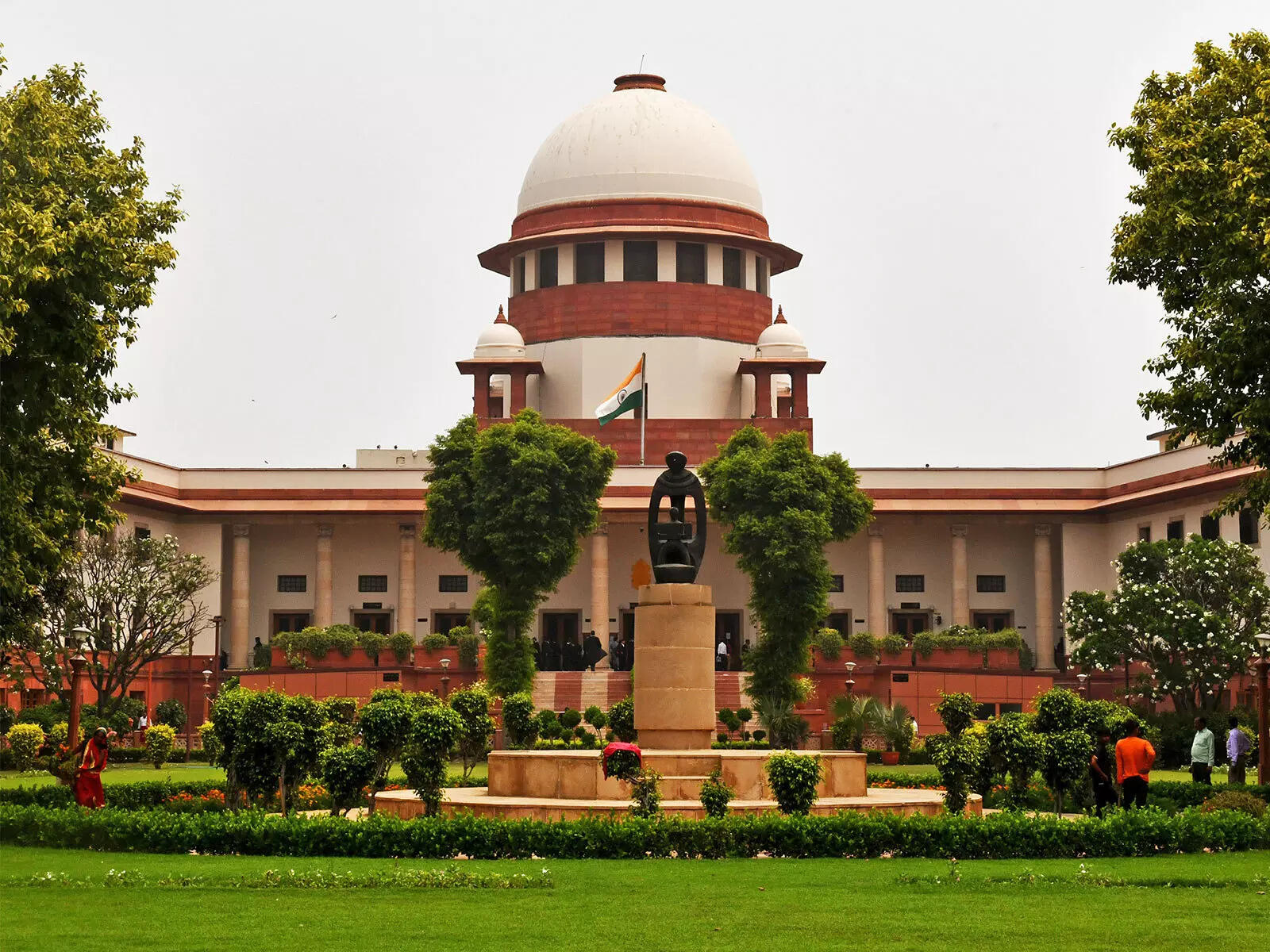
NEW DELHI: The Supreme Court on Monday asked both the Centre and the Tamil Nadu government “not to make it into a language issue” while hearing the state’s plea challenging a Madras high court order directing it to establish Jawahar Navodaya Vidyalaya (JNV) schools.The observation was made by a bench of Justices BV Nagarathna and R Mahadevan after senior counsel P Wilson, appearing for the DMK-led Tamil Nadu government, argued that the Centre should adopt a two-language formula in line with the state’s policy instead of the three-language formula under the National Education Policy (NEP) 2020.As the Centre’s counsel began to respond, the bench urged both parties to refrain from turning the matter into a language issue.“Don’t make it into a language issue. We are a federal society. You are part of the Republic. If you come one step forward, they will also come one step forward. We are concerned with rural students getting an education. The directions were passed only in the interest of students who are entitled to be admitted to such schools,” Justice Nagarathna said.She was referring to a direction issued by the Supreme Court earlier during the hearing asking the state to ascertain the extent of land required for establishing JNVs.The bench further suggested that the Tamil Nadu government could place its two-language policy before the Centre, which could then consider it, instead of both sides sparring over the issue.“You can’t have this ‘my state, my state’ approach. This attitude must go. You come one step forward, they will also come one step forward,” the court remarked.The bench also observed that the state government should view the move as an “opportunity rather than an imposition.”“Don’t take it as an imposition; it is an opportunity for your students. You can say this is our language policy, and they cannot discredit your policy,” Justice Nagarathna noted.(With ANI inputs)


