
Shift from post-World War II pacifist policy: Japan lifts ban on lethal arms exports

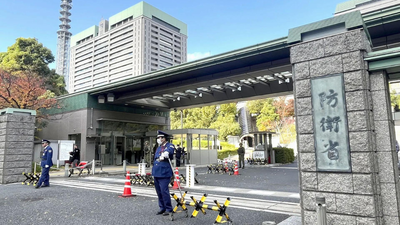
Japan has taken a significant step away from its postwar pacifist stance, with the Cabinet led by Prime Minister Sanae Takaichi on Tuesday approving new guidelines that lift long-standing restrictions on the export of lethal weapons.Under the revised guidelines, Japan will now be able to export a broader range of military equipment, including fighter jets, missiles and destroyers—going well beyond previous shipments such as protective gear, gas masks, civilian-use vehicles sent to Ukraine, and radar systems supplied to the Philippines. The decision effectively removes one of the final barriers to Japan’s participation in global arms sales, marking a major shift in policy as the country looks to strengthen its defence industry and expand cooperation with international partners.The new policy would “ensure safety for Japan and further contribute to the peace and stability in the region and the international society as the security environment around our country rapidly changes,” chief cabinet secretary Minoru Kihara told reporters, as quoted Associated Press. “The government will strategically promote defense equipment transfer to create a security environment that is desirable for Japan and to build up the industrial base that can support fighting resilience,” he added. The move comes amid rising regional security concerns, particularly in East Asia, prompting Tokyo to accelerate its military buildup. While the policy shift has drawn sharp criticism from China, it has been welcomed by key defence partners such as Australia and has generated interest from countries across Southeast Asia and Europe. Critics within Japan argue that the decision undermines the country’s pacifist constitution, established after World War II, and could heighten global tensions while putting Japanese citizens at risk. For decades, Japan maintained strict limits on arms exports under its postwar framework. Even after recent relaxations, exports were confined to non-combat roles such as rescue, transport, surveillance, alert operations, and minesweeping.


