
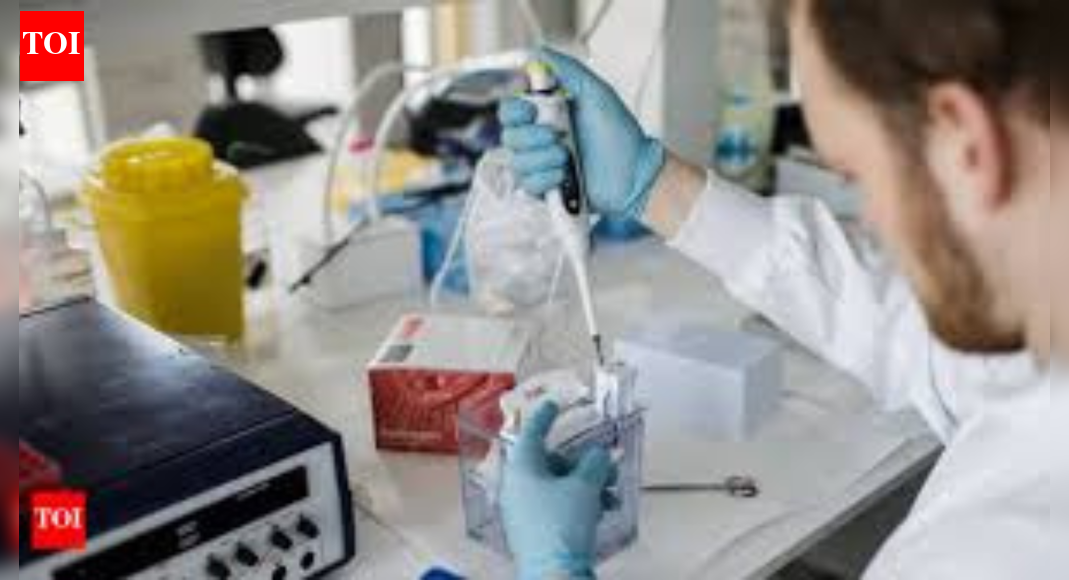
Representative image CHENNAI: A tiny needle system that sends cancer drugs directly into breast cancer cells, while protecting healthy ones, has been developed by researchers from IIT Madras and two Australian universities – Monash University and Deakin University. The nanotechnology injection delivery system packs the anticancer drug, doxorubicin, into special protective bubbles, then pushes it inside cells using needle-shaped silicon tubes on a chip.”It was a study on petri dishes,” said IIT-M assistant professor Dr Swathi Sudhakar, who works with the department of applied mechanics and biomedical engineering. “We could release the drug directly, but that would be faster delivery. So, for sustained release, it was wrapped in a bubble and pushed into it. Lab tests on breast cancer cells showed the drugs stopped cell growth, killed cancer cells, and blocked new blood vessels for tumours,” Dr Sudhakar said.Breast cancer is one of the most common types of cancer affecting women in both urban and rural areas. In cities such as Chennai, 28% of cancers in women are breast cancers, followed by cervix (14%), ovary (6%), and corpus uteri (4%). Conventional treatments such as chemotherapy and radiation often harm non-cancerous tissues due to systemic drug exposure, causing side effects.Results of the study published in the peer-reviewed journal Advanced Materials Interfaces show the new system worked 23 times better than the drug alone. “It had higher potential even when used in smaller amounts. There is thermal stability and long-term drug release, up to 700 hours, and it addresses common drawbacks of existing nanocarrier systems, such as burst release and poor compatibility,” she said.The technology, they said, is a reliable and scalable candidate for future trials.End of ArticleFollow Us On Social MediaVideosNew Video Reveals Final Moments of Hindu Man Dipu Before Lynching in BangladeshIndians Trapped By H-1B Renewal Chaos As US VP JD Vance Defends Visa Curbs As Christian PoliticsEx-TMC MLA Humayun Kabir Launches New Party, Targets Mamata Banerjee Ahead of PollsMuhammad Yunus Interim Rule Sparks Alarm, Indian Diplomats Back Hasina On Anti India Narrative ShiftYogi Adityanath Says Vande Mataram Became Victim of Congress Appeasement PoliticsNew Zealand India FTA Sparks Coalition Rift As PM Christopher Luxon Backs Deal, NZ First Rejects ItGujarat Student Says He Was Forced To Fight For Russia As Indians Remain Trapped Ukraine War CrisisPTI Leaders Hold Massive Protest in Peshawar Against Imran Khan’s 17-Year Jail SentenceBangladesh Turmoil: Another Youth Leader Shot In Head Days After Osman Hadi’s KillingAravalli Hills Row: Why Definition Battle Could Decide Mining Water Security And AQI In North India123PhotostoriesShin Min-Ah weds Kim Woo-Bin: Shin Min-Ah stuns in the most stunning bridal gown ever! See stylish wedding picsDoes Niagara Falls freeze over in winter? Here’s the truth5 reasons why okra water has become a go-to drink for people who want to manage their sugar levelsFrozen but fearless: 5 snowy animals that rule the coldest places on earthHbA1c over 6%? Nephrologist shares tests that matter beyond this level of blood sugarWhy should you add this leaf powder to your homemade winter soups? Here’s how you can make this super healthy soup10 most loved countries in the world in 2025Discover the secret of financial success according to your birth dateTop 10 richest countries in the world in 20257 simple fruit plants ideal for a lush balcony garden123Hot PicksUAE WeatherEpstein files releasedGold price predictionGold rate todaySilver rate todayPublic Holidays DecemberBank Holidays DecemberTop TrendingTom BradyDeshaun WatsonShai Gilgeous Alexander NBA ContractLeBron JamesVictor WembanyamaLos Angeles DodgersPaul Heyman and Marla Heyman Net WorthRavens vs PatriotsJason KelceCharles Barkley
CHENNAI: A tiny needle system that sends cancer drugs directly into breast cancer cells, while protecting healthy ones, has been developed by researchers from IIT Madras and two Australian universities – Monash University and Deakin University. The nanotechnology injection delivery system packs the anticancer drug, doxorubicin, into special protective bubbles, then pushes it inside cells using needle-shaped silicon tubes on a chip.“It was a study on petri dishes,” said IIT-M assistant professor Dr Swathi Sudhakar, who works with the department of applied mechanics and biomedical engineering. “We could release the drug directly, but that would be faster delivery. So, for sustained release, it was wrapped in a bubble and pushed into it. Lab tests on breast cancer cells showed the drugs stopped cell growth, killed cancer cells, and blocked new blood vessels for tumours,” Dr Sudhakar said.Breast cancer is one of the most common types of cancer affecting women in both urban and rural areas. In cities such as Chennai, 28% of cancers in women are breast cancers, followed by cervix (14%), ovary (6%), and corpus uteri (4%). Conventional treatments such as chemotherapy and radiation often harm non-cancerous tissues due to systemic drug exposure, causing side effects.Results of the study published in the peer-reviewed journal Advanced Materials Interfaces show the new system worked 23 times better than the drug alone. “It had higher potential even when used in smaller amounts. There is thermal stability and long-term drug release, up to 700 hours, and it addresses common drawbacks of existing nanocarrier systems, such as burst release and poor compatibility,” she said.The technology, they said, is a reliable and scalable candidate for future trials.


