
Photo credit: IANS NEW DELHI: In a major public health alert, India’s top drug regulator has flagged around 90 medicines—ranging from painkillers and antibiotics to cough syrups and vitamin supplements—being sold without approval, raising concerns over patient safety and gaps in enforcement.In a communication to all state drug controllers, the Central Drugs Standard Control Organisation (CDSCO) said multiple fixed-dose combinations (FDCs) identified during lab testing in 2025 were found to be unapproved and categorised as new drugs.Many of these are commonly used medicines available across pharmacies, pointing to how widely such combinations may have entered the supply chain.The regulator has directed states to verify approvals, investigate violations and take action against manufacturers, marketers and other stakeholders warning that the presence of such drugs in the supply chain is a serious public health concern.Israel Iran WarUS-Israel-Iran War News Live Updates: Israel says more missiles launched from Iran; Kuwait claims drone attacks by TehranTrump Talks Iran Deal Window: US president sees major points of agreement; five day period to test talks’Fake news’: Iranian Speaker says Trump’s talk claims aimed at manipulating oil marketsExperts say the issue goes beyond regulatory compliance and points to a deeper problem with how combination drugs are used in India.“Fixed-dose combinations are being used far too widely in India, but each drug has its own pharmacodynamics and absorption pattern, which is why such combinations require strict approval. When mismatched drugs are combined, their effects and side effects may not align, making them potentially harmful rather than beneficial,” said Dr. Suranjit Chatterjee, Senior Consultant, Internal Medicine, Apollo Hospital.He added that while such combinations are often promoted as reducing pill burden, the benefit is limited if the combination itself is irrational.“In many cases, drugs meant to be taken before and after meals are combined, compromising their effectiveness. Unlike in many Western countries where individual drugs are preferred, India has seen a surge of such combinations without adequate scrutiny. Patients are rarely in a position to judge what is appropriate, so the responsibility lies squarely with regulators,” he said.The CDSCO has reiterated that no drug can be manufactured or sold without prior approval under existing rules and has sought time-bound action reports from states.Public health experts say the move is timely, but stress that sustained enforcement will be key to ensuring unsafe or unnecessary drug combinations are removed from the market.The bottom line is clear: the convenience of a single pill should not come at the cost of safety, especially when the combination itself may not be scientifically sound.About the AuthorAnuja JaiswalAnuja Jaiswal is a Senior Assistant Editor at The Times of India, with an impressive 18-year career in narrative journalism. She specializes in health and heritage reporting, expertly simplifying complex health information to make it engaging and understandable for readers. Her deep dives into heritage topics are well-researched, resulting in captivating narratives that resonate with her audience. Over the years, she has worked in Chandigarh, Chhattisgarh and West UP, gaining diverse on-ground experience that shapes her storytelling.Read MoreEnd of ArticleFollow Us On Social MediaVideosIndia Issues RFI for Engine Test Complex, Facility To End India’s Foreign Engine Testing DependencyIndia, US Hold Talks As West Asia Crisis Raises Energy ConcernsTwo More Indian LPG Ships Pine Gas And Jag Vasant Transit Strait Of Hormuz Amid Iran-Israel War’India Moving Ahead With Resolve’: PM Modi’s Big Message On West Asia Conflict’Never Faced Such Humiliation’: Jaya Bachchan Slams VIP Culture In RS, Flags Traffic DisruptionsUS Finally Ready For De-Escalation? Iran Says Trump’s Threat To Blow Up Its Power Grid Was ‘Bluff’’100% Under Control Of Trump’: Rahul Gandhi Slams PM Modi Over West Asia Remarks In Lok Sabha’India Should Put House In Order First: Gita Gopinath’s Big Warning To Modi Govt Amid Iran WarIndia’s Nuclear Submarine Trio Is What China and Pakistan Should Pay Attention ToQawwali Meets Politics: LJP MP Shambhavi Chaudhary’s Dhurandhar Dig Targets Opposition In Lok Sabha123Photostories6 iconic destinations on the banks of the world’s longest riverStep inside Adar and Natasha Poonawalla’s Rs.750 crore elegant Pune farmhouseHarbhajan Singh and Geeta Basra’s ₹7 crore bungalow in Jalandhar, Punjab is a personalised sanctuary rooted in cricket, memories and family values5 things you probably didn’t know about the world’s highest national parkBaby girl names inspired by color red6 high-protein breakfast dishes made with paneer10 house names inspired by the sky, stars, and cosmos, with their meanings8 plants you only need to grow once for endless harvestsMost people get this wrong about BP checks: Here’s what a doctor saysWorld’s deadliest rat that can kill an elephant, and 8 other weird rodents that break every rule of nature123Hot PicksTrump Iran DealMohammad Bagher GhalibafSan Francisco AirportGold rate todayIncome Tax CalculatorPublic holidays March 2026Bank Holidays MarchTop TrendingGolden state warriors vs dallas mavericks injury reportPatrick MahomesJoe MazzullaColombian Military Plane CrashBrittany MahomesWWE Raw News RoundupSilver Rate TodayPahalgam hotel caseTrump Iran DealBihar Board Science Topper

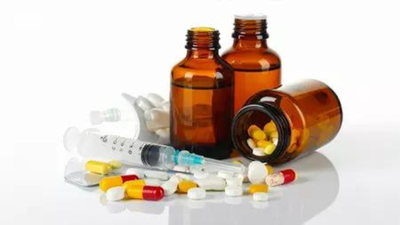
NEW DELHI: In a major public health alert, India’s top drug regulator has flagged around 90 medicines—ranging from painkillers and antibiotics to cough syrups and vitamin supplements—being sold without approval, raising concerns over patient safety and gaps in enforcement.In a communication to all state drug controllers, the Central Drugs Standard Control Organisation (CDSCO) said multiple fixed-dose combinations (FDCs) identified during lab testing in 2025 were found to be unapproved and categorised as new drugs.Many of these are commonly used medicines available across pharmacies, pointing to how widely such combinations may have entered the supply chain.The regulator has directed states to verify approvals, investigate violations and take action against manufacturers, marketers and other stakeholders warning that the presence of such drugs in the supply chain is a serious public health concern.Experts say the issue goes beyond regulatory compliance and points to a deeper problem with how combination drugs are used in India.“Fixed-dose combinations are being used far too widely in India, but each drug has its own pharmacodynamics and absorption pattern, which is why such combinations require strict approval. When mismatched drugs are combined, their effects and side effects may not align, making them potentially harmful rather than beneficial,” said Dr. Suranjit Chatterjee, Senior Consultant, Internal Medicine, Apollo Hospital.He added that while such combinations are often promoted as reducing pill burden, the benefit is limited if the combination itself is irrational.“In many cases, drugs meant to be taken before and after meals are combined, compromising their effectiveness. Unlike in many Western countries where individual drugs are preferred, India has seen a surge of such combinations without adequate scrutiny. Patients are rarely in a position to judge what is appropriate, so the responsibility lies squarely with regulators,” he said.The CDSCO has reiterated that no drug can be manufactured or sold without prior approval under existing rules and has sought time-bound action reports from states.Public health experts say the move is timely, but stress that sustained enforcement will be key to ensuring unsafe or unnecessary drug combinations are removed from the market.The bottom line is clear: the convenience of a single pill should not come at the cost of safety, especially when the combination itself may not be scientifically sound.
![Congress targets PM Modi after passport rank slips to 125th NEW DELHI: Congress president Mallikarjun Kharge on Monday criticised PM Modi’s government over India’s recent passport rankings, alleging that its policies had hurt the country’s global reputation. He also questioned the recent increase in passport fees, saying citizens were paying more despite what he described as poor services.In a post on X, Kharge referred to Prime Minister Modi’s 2018 remarks about the strength of the Indian passport and said the current rankings did not support those claims.”Modi Govt’s policies are responsible for hurting India’s global reputation,” Kharge wrote.”PM Modi claimed in 2018: ‘People travelling and living abroad know the respect and strength of the Indian passport today.’ Where is that ‘strength’ reflected? Facts bely his assertions,” he said.Citing different global passport rankings, Kharge claimed that India’s position had weakened over the years.”In one global passport ranking, India has fallen from 74th in 2013 to 80th in June 2026. [World Economic Forum] Another global passport index places India at a dismal 125th in 2026. [Global Citizen Solutions],” he wrote.Kharge also criticised the government’s decision to increase passport charges, saying fees had gone up without any improvement in services.”Instead of improving services, the Modi Govt has made passports more expensive. Passport fees have been hiked from Rs 1,500 to Rs 2,500, while Tatkal charges have gone up to Rs 5,000,” he said.The Congress chief also alleged that foreign tourist arrivals had not recovered to pre-pandemic levels and questioned the government’s tourism and visa policies.”Even with respect to the ease of travelling to India, Foreign Tourist Arrivals are still below pre-COVID levels: They have dropped from 10.93 million (2019) to 9.95 million (2024). Is the Modi Govt masking this failure by clubbing NRI arrivals with foreign tourist data? Why is India’s official visa application portal still so outdated and confusing that it resembles a website from the late 1990s? No one in India, the land of ‘Atithi Devo Bhava’ wants to welcome the tourists like this?” he wrote.Concluding his post, Kharge questioned the government’s claims about India’s international standing.”If the passport is weaker, tourism has not recovered, visa services are lacklustre and citizens are paying more for substandard services, then where exactly is this much-advertised global respect? Reality bites. India’s reputation suffers. Courtesy: Modi Govt!” he said.Kharge’s remarks came after the Global Passport Index 2026 ranked India 125th, down from 124th last year, with visa-free access to 26 destinations. The ranking placed India behind countries including the Philippines, Morocco, Uzbekistan and China, but ahead of Azerbaijan and Kyrgyzstan.His comments also follow the Centre’s decision to revise passport application fees from July 1, 2026. Under the new rates, the fee for a fresh or reissued 36-page ordinary passport has increased from Rs 1,500 to Rs 2,500, while the Tatkal charge has risen from Rs 2,500 to Rs 5,000. The fee for a 60-page passport has increased to Rs 3,500, with the Tatkal charge revised to Rs 6,000.Get the latest India news and live updates. Download the TOI App.About the AuthorTOI News DeskThe TOI News Desk comprises a dedicated and tireless team of journalists who operate around the clock to deliver the most current and comprehensive news and updates to the readers of The Times of India worldwide. With an unwavering commitment to excellence in journalism, our team is at the forefront of gathering, verifying, and presenting breaking news, in-depth analysis, and insightful reports on a wide range of topics. The TOI News Desk is your trusted source for staying informed and connected to the ever-evolving global landscape, ensuring that our readers are equipped with the latest developments that matter most.”Read MoreEnd of ArticleFollow Us On Social MediaVideosArmed Forces Seek Higher Retention Of Agniveers As First Batch Nears Completion Of Four-Year TenureNetanyahu Hails India’s ‘Tremendous Support’, Rejects JD Vance’s ‘Only Ally’ Claim for IsraelAkal Takht Gives Punjab Govt 10-Day Deadline, Alleges Anti-Sikh IT Campaign; AAP Denies ChargesVHP Seeks Probe Into Priyanka Gandhi, Arvind Kejriwal And Others Over Ayodhya Donation AllegationsISRO Successfully Tests New Motor For Gaganyaan SOLVE RocketMadhya Pradesh First To Include Hindu Members In Waqf Board Under New Law’Super Emergency’: TMC Claims Police Barricaded Mamata Banerjee’s House Before Baruipur VisitBadrinath-Kedarnath Temple Committee Forms 4-Member Panel To Probe Donation Irregularity ClaimsMumbai Monsoon Horror: 63-Year-Old Dies After Tree Falls On ShopCentre Denies Reports That Bhutan Rejected India’s E20 Petrol Proposal123PhotostoriesOne motivational quote that can bring positive change; according to your birth dateInside Bharti Singh and Harsh Limbachiyaa’s lavish home: A massive living room, stunning balcony views and moreRanveer Singh birthday special: Revisiting the ‘Dhurandhar’ star’s top-grossing movies of all time“Saving ₹5,000 a month will not change your life”: Why Ranveer Allahbadia’s money advice for people earning under ₹50,000 hits different for womenHow much money do you really need to retire comfortably in US, UK, Australia and IndiaNutritionist shares 1-month health reset diet plan that she made for her husband: And it seems so easy to follow!World Chocolate Day 2026: 6 most expensive chocolates in the world and why they cost so muchHow to maintain goldfish in aqaurium and bowls: A beginner’s step-by-step guide to keeping goldfish in healthy condition for several yearsBiotin alternatives for hair growth: 5 natural foods that may help strengthen hair from the rootMumbai rain update: Walking through floodwater? Doctor shares 5 things you should do the moment you reach home123Hot PicksRam temple donationITR filing FY 2025-26Khamenei funeralJoSAA Counselling 2026Mumbai school holidayMumbai rainBank holidayMumbai schools holidayMumbai-Pune expresswayTop TrendingOzempic ShaadiAgnipath Scheme ReviewNainital Sex RacketFIFA World Cup 2026Bengal rapeRam temple donationMumbai rainBank holiday todayKanpur Woman AssaultKCET mock seat allotment](https://vknewstoday.in/wp-content/uploads/1783335554_photo.jpg "Congress targets PM Modi after passport rank slips to 125th NEW DELHI: Congress president Mallikarjun Kharge on Monday criticised PM Modi’s government over India’s recent passport rankings, alleging that its policies had hurt the country’s global reputation. He also questioned the recent increase in passport fees, saying citizens were paying more despite what he described as poor services.In a post on X, Kharge referred to Prime Minister Modi’s 2018 remarks about the strength of the Indian passport and said the current rankings did not support those claims.”Modi Govt’s policies are responsible for hurting India’s global reputation,” Kharge wrote.”PM Modi claimed in 2018: ‘People travelling and living abroad know the respect and strength of the Indian passport today.’ Where is that ‘strength’ reflected? Facts bely his assertions,” he said.Citing different global passport rankings, Kharge claimed that India’s position had weakened over the years.”In one global passport ranking, India has fallen from 74th in 2013 to 80th in June 2026. [World Economic Forum] Another global passport index places India at a dismal 125th in 2026. [Global Citizen Solutions],” he wrote.Kharge also criticised the government’s decision to increase passport charges, saying fees had gone up without any improvement in services.”Instead of improving services, the Modi Govt has made passports more expensive. Passport fees have been hiked from Rs 1,500 to Rs 2,500, while Tatkal charges have gone up to Rs 5,000,” he said.The Congress chief also alleged that foreign tourist arrivals had not recovered to pre-pandemic levels and questioned the government’s tourism and visa policies.”Even with respect to the ease of travelling to India, Foreign Tourist Arrivals are still below pre-COVID levels: They have dropped from 10.93 million (2019) to 9.95 million (2024). Is the Modi Govt masking this failure by clubbing NRI arrivals with foreign tourist data? Why is India’s official visa application portal still so outdated and confusing that it resembles a website from the late 1990s? No one in India, the land of ‘Atithi Devo Bhava’ wants to welcome the tourists like this?” he wrote.Concluding his post, Kharge questioned the government’s claims about India’s international standing.”If the passport is weaker, tourism has not recovered, visa services are lacklustre and citizens are paying more for substandard services, then where exactly is this much-advertised global respect? Reality bites. India’s reputation suffers. Courtesy: Modi Govt!” he said.Kharge’s remarks came after the Global Passport Index 2026 ranked India 125th, down from 124th last year, with visa-free access to 26 destinations. The ranking placed India behind countries including the Philippines, Morocco, Uzbekistan and China, but ahead of Azerbaijan and Kyrgyzstan.His comments also follow the Centre’s decision to revise passport application fees from July 1, 2026. Under the new rates, the fee for a fresh or reissued 36-page ordinary passport has increased from Rs 1,500 to Rs 2,500, while the Tatkal charge has risen from Rs 2,500 to Rs 5,000. The fee for a 60-page passport has increased to Rs 3,500, with the Tatkal charge revised to Rs 6,000.Get the latest India news and live updates. Download the TOI App.About the AuthorTOI News DeskThe TOI News Desk comprises a dedicated and tireless team of journalists who operate around the clock to deliver the most current and comprehensive news and updates to the readers of The Times of India worldwide. With an unwavering commitment to excellence in journalism, our team is at the forefront of gathering, verifying, and presenting breaking news, in-depth analysis, and insightful reports on a wide range of topics. The TOI News Desk is your trusted source for staying informed and connected to the ever-evolving global landscape, ensuring that our readers are equipped with the latest developments that matter most.”Read MoreEnd of ArticleFollow Us On Social MediaVideosArmed Forces Seek Higher Retention Of Agniveers As First Batch Nears Completion Of Four-Year TenureNetanyahu Hails India’s ‘Tremendous Support’, Rejects JD Vance’s ‘Only Ally’ Claim for IsraelAkal Takht Gives Punjab Govt 10-Day Deadline, Alleges Anti-Sikh IT Campaign; AAP Denies ChargesVHP Seeks Probe Into Priyanka Gandhi, Arvind Kejriwal And Others Over Ayodhya Donation AllegationsISRO Successfully Tests New Motor For Gaganyaan SOLVE RocketMadhya Pradesh First To Include Hindu Members In Waqf Board Under New Law’Super Emergency’: TMC Claims Police Barricaded Mamata Banerjee’s House Before Baruipur VisitBadrinath-Kedarnath Temple Committee Forms 4-Member Panel To Probe Donation Irregularity ClaimsMumbai Monsoon Horror: 63-Year-Old Dies After Tree Falls On ShopCentre Denies Reports That Bhutan Rejected India’s E20 Petrol Proposal123PhotostoriesOne motivational quote that can bring positive change; according to your birth dateInside Bharti Singh and Harsh Limbachiyaa’s lavish home: A massive living room, stunning balcony views and moreRanveer Singh birthday special: Revisiting the ‘Dhurandhar’ star’s top-grossing movies of all time“Saving ₹5,000 a month will not change your life”: Why Ranveer Allahbadia’s money advice for people earning under ₹50,000 hits different for womenHow much money do you really need to retire comfortably in US, UK, Australia and IndiaNutritionist shares 1-month health reset diet plan that she made for her husband: And it seems so easy to follow!World Chocolate Day 2026: 6 most expensive chocolates in the world and why they cost so muchHow to maintain goldfish in aqaurium and bowls: A beginner’s step-by-step guide to keeping goldfish in healthy condition for several yearsBiotin alternatives for hair growth: 5 natural foods that may help strengthen hair from the rootMumbai rain update: Walking through floodwater? Doctor shares 5 things you should do the moment you reach home123Hot PicksRam temple donationITR filing FY 2025-26Khamenei funeralJoSAA Counselling 2026Mumbai school holidayMumbai rainBank holidayMumbai schools holidayMumbai-Pune expresswayTop TrendingOzempic ShaadiAgnipath Scheme ReviewNainital Sex RacketFIFA World Cup 2026Bengal rapeRam temple donationMumbai rainBank holiday todayKanpur Woman AssaultKCET mock seat allotment")


