
. PAHALGAM: “Scan me” is the new trust phrase in this region, which still bears the scars of a terrorist massacre a year ago.In a sweeping move, local police have introduced QR-code-based identification for the thousands who work in this scenic hill town. Pony handlers, taxi drivers, and nomadic communities moving through the surrounding hills are being digitally tagged, each issued a unique QR code that, when scanned via apps like Google Lens, reveals detailed personal information, including name, address, phone number, Aadhaar details, PIN code, and profession.The initiative comes in the shadow of the Pahalgam attack by Pakistani terrorists that claimed 26 lives, including that of a pony handler who tried to stop the massacre. In its shock-filled aftermath, authorities turned to technology to tighten security and monitor people operating in the region.Local police described it as one of the largest identification drives in the country. The aim is to bring nearly 25,000 individuals under a single, scannable system that allows instant verification. Around 7,000 QR codes have already been issued in Pahalgam.But the process is far from automatic. According to local police, applicants must first submit verification forms, after which thorough background checks are conducted by police. Even minor criminal records, or any FIR in a petty offence, can disqualify an individual from receiving a code. Once cleared, the QR identity is generated with technical assistance from local “Khidmat” service centres.In Pahalgam, authorities have identified nearly 17–18 vulnerable points, popular tourist hotspots, where the new QR-code system is being rigorously enforced. The initiative aims to prevent unauthorised access and enhance visitor safety. Officials say verification is not limited to security personnel; even tourists can scan the codes to confirm identities.A senior police officer, speaking on condition of anonymity, said the programme is designed solely to bolster tourist safety, a priority heightened after last year’s tragedy. “Earlier, we issued physical identity cards to pony handlers. With QR codes, verification is instant and far more reliable,” the officer said. Most high-footfall tourist locations that are now open have heavy security deployment.The QR-code rollout follows an extensive re-verification of all pony guides and other locals in Pahalgam carried out last year after the attack. This action was based on initial statements and videos released on social media and other platforms — by tourists who visited Baisaran on the day of the attack — about the “suspicious role” of some locals.Around 20 pony handlers and local guides present in Baisaran at the time were questioned by police, and later by the National Investigation Agency (NIA). Some were detained for extended periods during the NIA probe.Abdul Wahid Wani, president of Pahalgam Local Pony Owners’ Union, said the post-attack verification process exposed gaps in the earlier system, prompting govt to adopt QR-based identification. “We have no objections. Everyone is cooperating with police. It ultimately helps those whose livelihoods depend on tourism,” he said.Pahalgam has around 3,500 registered pony service providers, including guides and owners, drawn from nine nearby villages. In addition, a large number of others, including vendors selling food, warm clothing such as shawls, dry fruits, as well as photographers and freelance guides, depend on the daily tourist footfall. Most arrive in the valley early each morning and leave with the last batch of visitors.About the AuthorAjay SuraAjay Sura is Senior Assistant Editor with The Times of India Chandigarh. He covers news concerning the State of Haryana, Punjab & Haryana High Court and Defence & Military Affairs. He likes to analyse political developments and decoding judicial pronouncements. His hobbies include travelling, mountaineering and trekking.Read MoreEnd of ArticleFollow Us On Social MediaVideosCong, TMC, DMK Guilty’, PM Modi Blasts Oppn For Blocking Women Reservation BillIndia Summons Iran Envoy Summoned After Ships Targeted In Strait of Hormuz | WatchWomen’s Reservation Amendment Fails In Lok Sabha, Delimitation Bill Put On HoldYogi Adityanath Alleges ‘Identity Crisis’ In Bengal, Targets TMC Over GovernanceBJP Leaders Protest Outside Rahul’s Residence Over Women Quota Bill; Hema Malini, Bansuri Lead10th Indian Vessel Crosses Strait Of Hormuz Since Conflict Began”Women Were Being Used” Tharoor Backs Women’s Reservation, Warns On Delimitation Issue: “You’re Firing… After Clearance!” India-Flagged Ship’s Last Words Before Hormuz TurnbackNation Awaits PM Modi’s Address As Women Bill Fails And Hormuz Crisis Escalates‘Not A Failure Of The Government’: Why Rijiju Is Blaming The Opposition For Women’s Bill Defeat123Photostories6 healthy leaves you should add to your daily dietAkshaya Tritiya 2026: Buy these 5 things for good fortune5 grand palaces that are now world-famous museums7 factors driving real estate growth in India’s non-metro cities7 foods in your kitchen that actually came from PersiaAlia-Ranbir to Saif-Kareena: 5 celebrity weddings that completely rewrote the Indian shaadi style rulebook’The Devil Wears Prada 2′ to ‘The Odyssey,’ and more: Hollywood’s biggest 2026 Summer releases10 iconic biryani varieties in India you probably haven’t tried yetThings you should NEVER Do on Akshaya Tritiya based on your birth dateTop 5 residential hotspots in Nagpur for upscale living and long-term investment potential123Hot PicksIran warDelimitation Bill DefeatPurple cap winnerOrange cap winnerIPL Points TablePublic holidays April 2026Bank Holidays AprilTop TrendingIPL Orange Cap 2026VijayPM Modi LiveWorld Largest EconomySue BirdIce SpicePahalgam Pony Wallah StoryWomen Quota BillE Coli Smuggling CaseErika Kirk Event

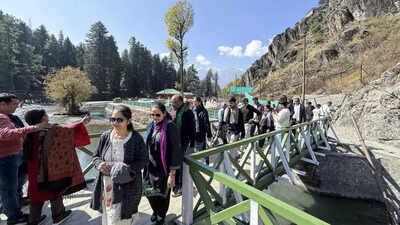
PAHALGAM: “Scan me” is the new trust phrase in this region, which still bears the scars of a terrorist massacre a year ago.In a sweeping move, local police have introduced QR-code-based identification for the thousands who work in this scenic hill town. Pony handlers, taxi drivers, and nomadic communities moving through the surrounding hills are being digitally tagged, each issued a unique QR code that, when scanned via apps like Google Lens, reveals detailed personal information, including name, address, phone number, Aadhaar details, PIN code, and profession.The initiative comes in the shadow of the Pahalgam attack by Pakistani terrorists that claimed 26 lives, including that of a pony handler who tried to stop the massacre. In its shock-filled aftermath, authorities turned to technology to tighten security and monitor people operating in the region.Local police described it as one of the largest identification drives in the country. The aim is to bring nearly 25,000 individuals under a single, scannable system that allows instant verification. Around 7,000 QR codes have already been issued in Pahalgam.But the process is far from automatic. According to local police, applicants must first submit verification forms, after which thorough background checks are conducted by police. Even minor criminal records, or any FIR in a petty offence, can disqualify an individual from receiving a code. Once cleared, the QR identity is generated with technical assistance from local “Khidmat” service centres.In Pahalgam, authorities have identified nearly 17–18 vulnerable points, popular tourist hotspots, where the new QR-code system is being rigorously enforced. The initiative aims to prevent unauthorised access and enhance visitor safety. Officials say verification is not limited to security personnel; even tourists can scan the codes to confirm identities.A senior police officer, speaking on condition of anonymity, said the programme is designed solely to bolster tourist safety, a priority heightened after last year’s tragedy. “Earlier, we issued physical identity cards to pony handlers. With QR codes, verification is instant and far more reliable,” the officer said. Most high-footfall tourist locations that are now open have heavy security deployment.The QR-code rollout follows an extensive re-verification of all pony guides and other locals in Pahalgam carried out last year after the attack. This action was based on initial statements and videos released on social media and other platforms — by tourists who visited Baisaran on the day of the attack — about the “suspicious role” of some locals.Around 20 pony handlers and local guides present in Baisaran at the time were questioned by police, and later by the National Investigation Agency (NIA). Some were detained for extended periods during the NIA probe.Abdul Wahid Wani, president of Pahalgam Local Pony Owners’ Union, said the post-attack verification process exposed gaps in the earlier system, prompting govt to adopt QR-based identification. “We have no objections. Everyone is cooperating with police. It ultimately helps those whose livelihoods depend on tourism,” he said.Pahalgam has around 3,500 registered pony service providers, including guides and owners, drawn from nine nearby villages. In addition, a large number of others, including vendors selling food, warm clothing such as shawls, dry fruits, as well as photographers and freelance guides, depend on the daily tourist footfall. Most arrive in the valley early each morning and leave with the last batch of visitors.


