Suvendu questions Amartya Sen’s contribution to Bengal, stirs row | Kolkata News

Suvendu questions Amartya Sen’s contribution to Bengal, stirs row | Kolkata News

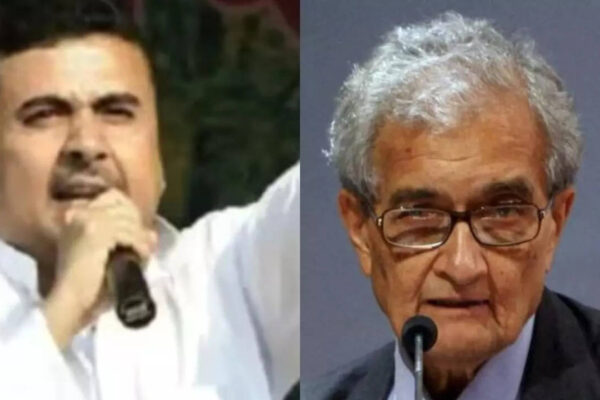
Adhikari, Sen (File photos) KOLKATA: West Bengal BJP leader of opposition Suvendu Ahikari on Monday questioned Nobel laureate Amartya Sen’s “contribution” to the state, igniting a row as the governing TMC and CPM slammed Adhikari.His remarks came days after Sen, who received an SIR hearing notice recently, said that the verification process was being “conducted…
Read More
Asha Parekh remembers Dharmendra: ‘Sunny Deol looks very much like him and is also a very emotional person like Dharam ji’

Asha Parekh remembers Dharmendra: ‘Sunny Deol looks very much like him and is also a very emotional person like Dharam ji’

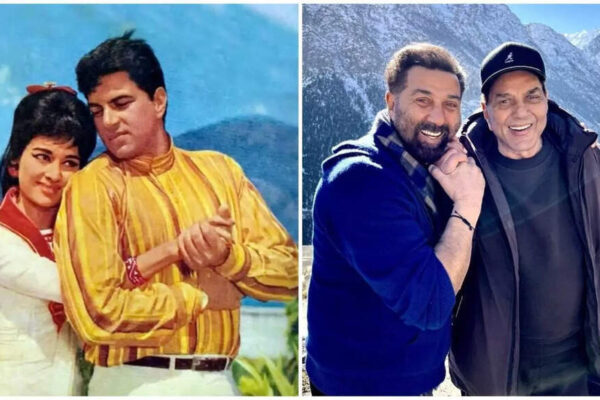
Asha Parekh has opened up about her long-standing connection with Dharmendra, remembering him not just as a co-star but as someone who remained an important part of her life long after their films together stopped rolling. Their on-screen pairing delivered several memorable classics such as Aaye Din Bahar Ke, Shikar, Aya Sawan Jhoom Ke, Mera…

Read More
An AI-generated image  Step outside into 45-47°C heat and it is not just uncomfortable. It is immediate and overwhelming. The sun beats down relentlessly as the air feels heavy and unbearably still, hitting your face like a wave from an open furnace and clinging to the skin even as you step into shade. Within minutes, the body begins to slow. The throat dries, the eyes strain, and even standing still becomes tiring. The surroundings start to feel almost dizzying as roads shimmer in the distance and metal surfaces grow hot enough to burn on contact. The city no longer feels like it is moving through seasonal heat. It feels trapped under it.Indoors, relief isn’t the same for everyone. While air conditioning offers escape for some, it remains out of reach for many Indian households, and even where it is used, cooling systems push out waste heat into already dense urban spaces, adding to the surrounding temperature burden. For others, walls absorb heat through the day and release it slowly at night, keeping rooms warm well past sunset. Sleep is often disrupted, recovery remains limited, and for many, there is little escape from the cycle, often stretching for months. Scorching summer heat is not unusual in India, but this year it has arrived in sharper bursts, earlier than expected, and with greater intensity. In April, large parts of the country were already under heatwave conditions, with temperatures crossing 40°C in several regions and climbing close to 45°C in some pockets. Akola in Maharashtra recorded the highest temperature at 46.9°C as Vidarbha region entered an early-summer heatwave, briefly placing multiple Indian cities among the hottest in the world during peak afternoons even before May.In late April, a few isolated spells of rain offered brief relief, cooling conditions in parts of the country for short periods, but the respite did not last. The heat has returned in waves, keeping large regions locked in a cycle of rising discomfort. During this period, global temperature trend data showed that 95 of the world’s 100 hottest cities were in India, underscoring how widespread and intense the heat had become even before peak summer had fully set in.Top 10 hottest cities in the world as on May 1, 2026Is the worst of the heat yet to come?This year’s heat is unfolding alongside a shifting global climate pattern. In the equatorial Pacific, El Niño is a naturally occurring ocean-atmosphere phenomenon marked by warming sea surface temperatures and weakening trade winds. It is part of the El Niño-Southern Oscillation system that influences weather across the world by altering rainfall, wind patterns and heat distribution.When it strengthens, it can intensify extreme heat, disrupt India’s monsoon and raise global temperatures. The World Meteorological Organization has indicated that conditions are tilting towards a likely El Niño development around mid-2026. This raises concerns of additional stress on an already warming world, particularly for India as this period coincides with the monsoon onset and can significantly affect the agrarian sector.What is El Niño?El Niño is a naturally occurring climate phenomenon that describes the periodic warming of sea surface temperatures in the central and eastern equatorial Pacific Ocean. It is part of a larger system known as the El Niño Southern Oscillation, or ENSO, which has three phases: El Niño, La Niña and neutral conditions.Under normal conditions, trade winds push warm surface waters westward toward Asia and Australia, while cooler waters rise along the South American coast. During an El Niño event, these trade winds weaken or reverse. As a result, warm water shifts eastward, disrupting the ocean-atmosphere balance.This shift has global consequences because the Pacific Ocean strongly influences atmospheric circulation. Changes in sea surface temperature alter rainfall patterns, jet streams and storm formation across continents.El Niño typically occurs every two to seven years and lasts around nine to twelve months. Its impacts vary by region but often include drought in Australia, Indonesia and parts of South Asia, and heavier rainfall in parts of South America and East Africa. It can also influence tropical storm activity, reducing hurricanes in the Atlantic while increasing them in the Pacific.What is El NiñoImportantly, El Niño does not operate in isolation. In a warming world, its impacts are amplified. A hotter baseline means that when El Niño adds extra heat to the system, extreme weather events intensify. This is why recent strong El Niño years have been linked to record global temperatures.El Niño and India: a familiar but intensifying linkEl Niño is one of the most influential climate drivers as it alters global atmospheric circulation, reshaping weather patterns across continents within months.Some of the strongest El Niño events in modern history include 1982 to 1983, 1997 to 1998 and 2015 to 2016. The 1997 to 1998 event was among the most intense and was linked to flooding in parts of South America, severe drought across Southeast Asia and Australia, and widespread wildfires in Indonesia. The 2015 to 2016 event contributed to global temperature spikes and major regional disruptions.For India, El Niño has a well-established relationship with the southwest monsoon. It is often associated with below-normal rainfall, delayed onset and uneven distribution. Years such as 1987, 2002, 2009 and 2015 saw weak monsoon performance and drought-like conditions in several regions. It is also linked with increased likelihood of intense pre-monsoon heat, raising heatwave risk across northern and central India.Historical records show how El Niño can intersect with food insecurity. The 1877 to 1878 event coincided with severe drought conditions across multiple continents and is associated with the global famine period of 1877 to 1879. Research links this period with widespread mortality in India and China, shaped by climatic stress interacting with structural vulnerabilities. Climate variability acted as a trigger, but outcomes were shaped by deeper social and economic conditions.What is increasingly important today is that these natural cycles are unfolding on a warmer global baseline. This amplifies their effects, increasing heat extremes and sharpening rainfall contrasts across regions.What is a ‘super El Niño’ and why are scientists warning about it?A “super” El Niño refers to an unusually strong version of the climate phenomenon, marked by sea surface temperatures in the central and eastern Pacific rising by at least 2°C. Such events are rare, occurring only a few times since 1950, with just one instance pushing beyond 2.5°C.Scientists say the stronger the warming, the greater the likelihood that El Niño’s global impacts are intensified, including heat extremes, disrupted rainfall patterns and shifts in monsoon systems.According to the US National Oceanic and Atmospheric Administration (NOAA), there is about a one-in-four chance of such a strong or “super” El Niño developing by the coming autumn or winter. However, researchers caution that forecasts made in spring can be less stable, as seasonal transitions often introduce uncertainty in climate patterns.Even so, early indicators are already pointing towards a potentially strong event. Dr Paul Roundy, professor of atmospheric and environmental sciences at the State University of New York at Albany, recently said in a post on X there is “real potential for the strongest El Niño event in 140 years.” Similarly, Dr Andy Hazelton, associate scientist at the University of Miami, noted that “all models and observations are pointing in the same direction: a very strong El Niño with significant impacts on global climate this year.”India’s heat reality: exposure rising, protection laggingIndia is already experiencing a steady rise in heatwave frequency, duration and intensity. Climate assessments and meteorological records indicate that several of the warmest years in India’s history have occurred in the last decade.Despite this trend, heatwaves are not formally classified as a notified disaster under India’s central disaster framework. This limits structured compensation, long-term adaptation funding and a uniform national response mechanism. States can use State Disaster Response Funds for heatwave-related relief under certain conditions, but this creates a patchwork system where preparedness and response vary across regions.What it means for IndiaFor India’s informal workforce, heat is not just a weather event but an occupational hazard that directly cuts wages and reduces working hours.Street vendors, construction workers, rickshaw pullers, farm labourers and delivery workers remain directly exposed to extreme temperatures with little protection. Office goers and daily commuters also spend long hours moving through the same conditions, often with limited relief. Work does not pause when temperatures rise, and air conditioning remains out of reach for many households. Even where it is used, cooling systems release waste heat into already dense urban areas, adding to the surrounding temperature burden.-The health and economic toll is already visible. According to the Lancet Countdown on Health and Climate Change, people in India experienced an average of 19.8 heatwave days in 2024, the warmest year on record. The study links rising heat exposure to increased illness, reduced labour capacity and falling productivity. It estimates potential income losses of about 194 billion dollars due to heat-driven labour reduction.At the same time, extreme heat is feeding into wider economic stress. Higher electricity demand for cooling increases power consumption, water shortages strain urban supply systems, and climate variability affects food production and prices, adding pressure to household budgets.Health impactsExtreme heat disrupts the body’s ability to regulate internal temperature. When ambient conditions exceed physiological thresholds, sweating alone becomes insufficient.Common conditions include dehydration, muscle cramps, heat exhaustion and heatstroke. Severe exposure can lead to organ failure and death.-Heatwaves are strongly associated with increased mortality from cardiovascular, respiratory and neurological conditions. Estimates suggest between 10,000 and over 20,000 heat-related deaths in India over two decades. Independent studies indicate that the actual toll may be higher due to underreporting, as heat is often not recorded as a primary cause of death.Urban India: Heat trapped by designUrban areas face amplified risk due to the urban heat island effect. Dense construction, reduced vegetation and limited airflow trap heat, making cities warmer than surrounding rural areas, especially at night, a phenomenon known as the Urban Heat Island (UHI) effect.Rapid urbanisation has replaced tree cover and green spaces with concrete surfaces that absorb heat during the day and release it slowly at night. This creates persistently high nighttime temperatures, reducing the body’s ability to recover between heat exposure cycles.Heat is therefore not only meteorological. It is also shaped by planning, land use and ecological change.Economy under heat stressExtreme heat is increasingly feeding into economic stress. Higher temperatures drive electricity demand for cooling, increasing power consumption during peak summer months.At the same time, agricultural productivity declines under heat stress and erratic rainfall. In 2022, unusually high pre-harvest temperatures during the grain-filling stage caused significant yield losses in major wheat-growing states such as Punjab, Haryana and Uttar Pradesh. This led to a ban on wheat exports aimed at stabilising domestic supply and controlling prices.For households, this creates a dual burden of rising food inflation and higher cooling costs.A longer, harsher summerIn the convergence of rising temperatures, shifting climate patterns, India’s summer is no longer merely a seasonal cycle. It is becoming a prolonged test of endurance, measured not only in degrees Celsius, but in loss of wages, health risk, mortality and survival. And, as temperatures rise and climate patterns shift, India’s summer is becoming harder to navigate and stakes are rising. How the country adapts to this growing heat stress, whether by slowing deforestation and protecting existing forest cover, expanding urban green spaces that can lower local temperatures, reducing reliance on coal-based power, which still accounts for roughly 70% of electricity generation, and accelerating the shift to cleaner energy sources such as solar, will shape livelihoods and public health outcomes.About the AuthorOshin BhatiaOshin Bhatia is a budding journalist driven by an insatiable curiosity and hunger for knowledge. She loves diving deep into complex issues and expressing them through compelling narratives. Her interests span human-interest stories, the environment, and the intersections where people, places, and stories meet.Read MoreEnd of ArticleFollow Us On Social MediaVideosPakistan admits fuel vulnerability amid global oil shock; compares energy security with IndiaCommercial LPG Surges Past ₹3000, Hotels Warn Of Price Hike Impact | WatchTrust Vote Drama In Punjab: BJP Boycott, Congress Walkout Rocks HouseIndia-Bangladesh Row: Dhaka Summons Indian Envoy Over Assam CM Himanta’s RemarksJabalpur Cruise Boat Capsize: 9 Dead as Rescue Operations Continue at Bargi Dam in Madhya PradeshChanakya Today Exit Poll: BJP Sweep In Bengal, DMK Ahead In TN, Assam Favours NDAUS Hands Back 657 Stolen Antiquities Worth  Million To India, Exposes Global Smuggling NetworksNaval Anti-ship Missile : Navy, Drdo Demonstrate Salvo Launch That Can Sink ShipsECI Introduces New QR Code Photo ID Rule To Prevent Unauthorised Entry At Counting CentresCCTV Shows Car Plunging Into Gorge In Una, Himachal | Tyre Burst Suspected, 2 Killed123PhotostoriesDo Mangoes cause body heat? What happens when you eat too many Mangoes, doctor explains6 simple tips to keep your pet safe during extreme heatwaveFeeling anxious or low? These common vitamin deficiencies could be the hidden reasonAnushka Sharma birthday special: Must-watch films on OTT like ‘NH10’, ‘Rab Ne Bana Di Jodi’, ‘Band Baaja Baaraat’, ‘Sultan’5 fashion hacks all of us can steal from King CharlesUnderground shortcut: Delhi airport’s new subway to slash T2–T3 walking distance by 90%5 high-end residential localities in Ludhiana offering strong investment potentialVegetables you can easily grow on your balcony: A simple guide to fresh homegrown produceEmily Blunt’s most ICONIC roles: From ‘The Devil Wears Prada’ to ‘Oppenheimer’From Japan to Russia: 10 witty proverbs on love, marriage, and relationships that still feel relevant123Hot PicksExit Poll Result 2026Bengal Election 2026Bengal ElectionPM ModiAjay Pal SharmaBengal Poll RecordHimanta Biswa SarmaTop TrendingStock Market Holiday TodayBank Holiday MayVande Bharat expressLPG cylinder price hikeMumbai missing linkPetrol, Diesel, LPG priceCBSE Class 12th ResultNEET 2026: Exam-day guideBSE AP SSC Class 10th ResultIPL Orange Cap

An AI-generated image Step outside into 45-47°C heat and it is not just uncomfortable. It is immediate and overwhelming. The sun beats down relentlessly as the air feels heavy and unbearably still, hitting your face like a wave from an open furnace and clinging to the skin even as you step into shade. Within minutes, the body begins to slow. The throat dries, the eyes strain, and even standing still becomes tiring. The surroundings start to feel almost dizzying as roads shimmer in the distance and metal surfaces grow hot enough to burn on contact. The city no longer feels like it is moving through seasonal heat. It feels trapped under it.Indoors, relief isn’t the same for everyone. While air conditioning offers escape for some, it remains out of reach for many Indian households, and even where it is used, cooling systems push out waste heat into already dense urban spaces, adding to the surrounding temperature burden. For others, walls absorb heat through the day and release it slowly at night, keeping rooms warm well past sunset. Sleep is often disrupted, recovery remains limited, and for many, there is little escape from the cycle, often stretching for months. Scorching summer heat is not unusual in India, but this year it has arrived in sharper bursts, earlier than expected, and with greater intensity. In April, large parts of the country were already under heatwave conditions, with temperatures crossing 40°C in several regions and climbing close to 45°C in some pockets. Akola in Maharashtra recorded the highest temperature at 46.9°C as Vidarbha region entered an early-summer heatwave, briefly placing multiple Indian cities among the hottest in the world during peak afternoons even before May.In late April, a few isolated spells of rain offered brief relief, cooling conditions in parts of the country for short periods, but the respite did not last. The heat has returned in waves, keeping large regions locked in a cycle of rising discomfort. During this period, global temperature trend data showed that 95 of the world’s 100 hottest cities were in India, underscoring how widespread and intense the heat had become even before peak summer had fully set in.Top 10 hottest cities in the world as on May 1, 2026Is the worst of the heat yet to come?This year’s heat is unfolding alongside a shifting global climate pattern. In the equatorial Pacific, El Niño is a naturally occurring ocean-atmosphere phenomenon marked by warming sea surface temperatures and weakening trade winds. It is part of the El Niño-Southern Oscillation system that influences weather across the world by altering rainfall, wind patterns and heat distribution.When it strengthens, it can intensify extreme heat, disrupt India’s monsoon and raise global temperatures. The World Meteorological Organization has indicated that conditions are tilting towards a likely El Niño development around mid-2026. This raises concerns of additional stress on an already warming world, particularly for India as this period coincides with the monsoon onset and can significantly affect the agrarian sector.What is El Niño?El Niño is a naturally occurring climate phenomenon that describes the periodic warming of sea surface temperatures in the central and eastern equatorial Pacific Ocean. It is part of a larger system known as the El Niño Southern Oscillation, or ENSO, which has three phases: El Niño, La Niña and neutral conditions.Under normal conditions, trade winds push warm surface waters westward toward Asia and Australia, while cooler waters rise along the South American coast. During an El Niño event, these trade winds weaken or reverse. As a result, warm water shifts eastward, disrupting the ocean-atmosphere balance.This shift has global consequences because the Pacific Ocean strongly influences atmospheric circulation. Changes in sea surface temperature alter rainfall patterns, jet streams and storm formation across continents.El Niño typically occurs every two to seven years and lasts around nine to twelve months. Its impacts vary by region but often include drought in Australia, Indonesia and parts of South Asia, and heavier rainfall in parts of South America and East Africa. It can also influence tropical storm activity, reducing hurricanes in the Atlantic while increasing them in the Pacific.What is El NiñoImportantly, El Niño does not operate in isolation. In a warming world, its impacts are amplified. A hotter baseline means that when El Niño adds extra heat to the system, extreme weather events intensify. This is why recent strong El Niño years have been linked to record global temperatures.El Niño and India: a familiar but intensifying linkEl Niño is one of the most influential climate drivers as it alters global atmospheric circulation, reshaping weather patterns across continents within months.Some of the strongest El Niño events in modern history include 1982 to 1983, 1997 to 1998 and 2015 to 2016. The 1997 to 1998 event was among the most intense and was linked to flooding in parts of South America, severe drought across Southeast Asia and Australia, and widespread wildfires in Indonesia. The 2015 to 2016 event contributed to global temperature spikes and major regional disruptions.For India, El Niño has a well-established relationship with the southwest monsoon. It is often associated with below-normal rainfall, delayed onset and uneven distribution. Years such as 1987, 2002, 2009 and 2015 saw weak monsoon performance and drought-like conditions in several regions. It is also linked with increased likelihood of intense pre-monsoon heat, raising heatwave risk across northern and central India.Historical records show how El Niño can intersect with food insecurity. The 1877 to 1878 event coincided with severe drought conditions across multiple continents and is associated with the global famine period of 1877 to 1879. Research links this period with widespread mortality in India and China, shaped by climatic stress interacting with structural vulnerabilities. Climate variability acted as a trigger, but outcomes were shaped by deeper social and economic conditions.What is increasingly important today is that these natural cycles are unfolding on a warmer global baseline. This amplifies their effects, increasing heat extremes and sharpening rainfall contrasts across regions.What is a ‘super El Niño’ and why are scientists warning about it?A “super” El Niño refers to an unusually strong version of the climate phenomenon, marked by sea surface temperatures in the central and eastern Pacific rising by at least 2°C. Such events are rare, occurring only a few times since 1950, with just one instance pushing beyond 2.5°C.Scientists say the stronger the warming, the greater the likelihood that El Niño’s global impacts are intensified, including heat extremes, disrupted rainfall patterns and shifts in monsoon systems.According to the US National Oceanic and Atmospheric Administration (NOAA), there is about a one-in-four chance of such a strong or “super” El Niño developing by the coming autumn or winter. However, researchers caution that forecasts made in spring can be less stable, as seasonal transitions often introduce uncertainty in climate patterns.Even so, early indicators are already pointing towards a potentially strong event. Dr Paul Roundy, professor of atmospheric and environmental sciences at the State University of New York at Albany, recently said in a post on X there is “real potential for the strongest El Niño event in 140 years.” Similarly, Dr Andy Hazelton, associate scientist at the University of Miami, noted that “all models and observations are pointing in the same direction: a very strong El Niño with significant impacts on global climate this year.”India’s heat reality: exposure rising, protection laggingIndia is already experiencing a steady rise in heatwave frequency, duration and intensity. Climate assessments and meteorological records indicate that several of the warmest years in India’s history have occurred in the last decade.Despite this trend, heatwaves are not formally classified as a notified disaster under India’s central disaster framework. This limits structured compensation, long-term adaptation funding and a uniform national response mechanism. States can use State Disaster Response Funds for heatwave-related relief under certain conditions, but this creates a patchwork system where preparedness and response vary across regions.What it means for IndiaFor India’s informal workforce, heat is not just a weather event but an occupational hazard that directly cuts wages and reduces working hours.Street vendors, construction workers, rickshaw pullers, farm labourers and delivery workers remain directly exposed to extreme temperatures with little protection. Office goers and daily commuters also spend long hours moving through the same conditions, often with limited relief. Work does not pause when temperatures rise, and air conditioning remains out of reach for many households. Even where it is used, cooling systems release waste heat into already dense urban areas, adding to the surrounding temperature burden.-The health and economic toll is already visible. According to the Lancet Countdown on Health and Climate Change, people in India experienced an average of 19.8 heatwave days in 2024, the warmest year on record. The study links rising heat exposure to increased illness, reduced labour capacity and falling productivity. It estimates potential income losses of about 194 billion dollars due to heat-driven labour reduction.At the same time, extreme heat is feeding into wider economic stress. Higher electricity demand for cooling increases power consumption, water shortages strain urban supply systems, and climate variability affects food production and prices, adding pressure to household budgets.Health impactsExtreme heat disrupts the body’s ability to regulate internal temperature. When ambient conditions exceed physiological thresholds, sweating alone becomes insufficient.Common conditions include dehydration, muscle cramps, heat exhaustion and heatstroke. Severe exposure can lead to organ failure and death.-Heatwaves are strongly associated with increased mortality from cardiovascular, respiratory and neurological conditions. Estimates suggest between 10,000 and over 20,000 heat-related deaths in India over two decades. Independent studies indicate that the actual toll may be higher due to underreporting, as heat is often not recorded as a primary cause of death.Urban India: Heat trapped by designUrban areas face amplified risk due to the urban heat island effect. Dense construction, reduced vegetation and limited airflow trap heat, making cities warmer than surrounding rural areas, especially at night, a phenomenon known as the Urban Heat Island (UHI) effect.Rapid urbanisation has replaced tree cover and green spaces with concrete surfaces that absorb heat during the day and release it slowly at night. This creates persistently high nighttime temperatures, reducing the body’s ability to recover between heat exposure cycles.Heat is therefore not only meteorological. It is also shaped by planning, land use and ecological change.Economy under heat stressExtreme heat is increasingly feeding into economic stress. Higher temperatures drive electricity demand for cooling, increasing power consumption during peak summer months.At the same time, agricultural productivity declines under heat stress and erratic rainfall. In 2022, unusually high pre-harvest temperatures during the grain-filling stage caused significant yield losses in major wheat-growing states such as Punjab, Haryana and Uttar Pradesh. This led to a ban on wheat exports aimed at stabilising domestic supply and controlling prices.For households, this creates a dual burden of rising food inflation and higher cooling costs.A longer, harsher summerIn the convergence of rising temperatures, shifting climate patterns, India’s summer is no longer merely a seasonal cycle. It is becoming a prolonged test of endurance, measured not only in degrees Celsius, but in loss of wages, health risk, mortality and survival. And, as temperatures rise and climate patterns shift, India’s summer is becoming harder to navigate and stakes are rising. How the country adapts to this growing heat stress, whether by slowing deforestation and protecting existing forest cover, expanding urban green spaces that can lower local temperatures, reducing reliance on coal-based power, which still accounts for roughly 70% of electricity generation, and accelerating the shift to cleaner energy sources such as solar, will shape livelihoods and public health outcomes.About the AuthorOshin BhatiaOshin Bhatia is a budding journalist driven by an insatiable curiosity and hunger for knowledge. She loves diving deep into complex issues and expressing them through compelling narratives. Her interests span human-interest stories, the environment, and the intersections where people, places, and stories meet.Read MoreEnd of ArticleFollow Us On Social MediaVideosPakistan admits fuel vulnerability amid global oil shock; compares energy security with IndiaCommercial LPG Surges Past ₹3000, Hotels Warn Of Price Hike Impact | WatchTrust Vote Drama In Punjab: BJP Boycott, Congress Walkout Rocks HouseIndia-Bangladesh Row: Dhaka Summons Indian Envoy Over Assam CM Himanta’s RemarksJabalpur Cruise Boat Capsize: 9 Dead as Rescue Operations Continue at Bargi Dam in Madhya PradeshChanakya Today Exit Poll: BJP Sweep In Bengal, DMK Ahead In TN, Assam Favours NDAUS Hands Back 657 Stolen Antiquities Worth $14 Million To India, Exposes Global Smuggling NetworksNaval Anti-ship Missile : Navy, Drdo Demonstrate Salvo Launch That Can Sink ShipsECI Introduces New QR Code Photo ID Rule To Prevent Unauthorised Entry At Counting CentresCCTV Shows Car Plunging Into Gorge In Una, Himachal | Tyre Burst Suspected, 2 Killed123PhotostoriesDo Mangoes cause body heat? What happens when you eat too many Mangoes, doctor explains6 simple tips to keep your pet safe during extreme heatwaveFeeling anxious or low? These common vitamin deficiencies could be the hidden reasonAnushka Sharma birthday special: Must-watch films on OTT like ‘NH10’, ‘Rab Ne Bana Di Jodi’, ‘Band Baaja Baaraat’, ‘Sultan’5 fashion hacks all of us can steal from King CharlesUnderground shortcut: Delhi airport’s new subway to slash T2–T3 walking distance by 90%5 high-end residential localities in Ludhiana offering strong investment potentialVegetables you can easily grow on your balcony: A simple guide to fresh homegrown produceEmily Blunt’s most ICONIC roles: From ‘The Devil Wears Prada’ to ‘Oppenheimer’From Japan to Russia: 10 witty proverbs on love, marriage, and relationships that still feel relevant123Hot PicksExit Poll Result 2026Bengal Election 2026Bengal ElectionPM ModiAjay Pal SharmaBengal Poll RecordHimanta Biswa SarmaTop TrendingStock Market Holiday TodayBank Holiday MayVande Bharat expressLPG cylinder price hikeMumbai missing linkPetrol, Diesel, LPG priceCBSE Class 12th ResultNEET 2026: Exam-day guideBSE AP SSC Class 10th ResultIPL Orange Cap

Step outside into 45-47°C heat and it is not just uncomfortable. It is immediate and overwhelming. The sun beats down relentlessly as the air feels heavy and unbearably still, hitting your face like a wave from an open furnace and clinging to the skin even as you step into shade. Within minutes, the body begins…

Read More
Ashes: Steve Smith stars as Australia roar to 378-6, take 44-run advantage over England on Day 2 | Cricket News

Ashes: Steve Smith stars as Australia roar to 378-6, take 44-run advantage over England on Day 2 | Cricket News

Australia’s captain Steve Smith celebrates his fifty (AP Photo/Tertius Pickard) Australia tightened their grip on the second Ashes Test in Brisbane, finishing Day 2 with a handy 44-run lead after powering their way to 378 for 6 under the lights at the Gabba. Jake Weatherald and Steve Smith set the tone with composed half-centuries, ensuring…

Read More
NEW DELHI: The Supreme Court has objected to Sebi not closing proceedings against former directors of Sterling Biotech (SBL), Nitin and Chetan Sandesara, despite its directions to quash all pending criminal cases – pertaning to bank fraud – after they paid Rs 5,100 crore in court.A bench of Justices J K Maheshwari and A S Chandurkar agreed to hear the complaint of the Sandesara brothers and posted hearing to March 23. It asked why Sebi was “coming in the way” of the court’s order to close all cases against them.In a first-of-its-kind order to drop criminal proceedings in a multi-crore bank fraud case after the accused agreed to pay back the money, SC had last year allowed the brothers and their associates to be let off after the Centre and Enforcement Directorate agreed to their proposal to pay Rs 5,100 crore as one-time settlement to put quietus on litigations with respect to cases by CBI, ED, SFIO and I-T department.Israel Iran WarUS-Israel-Iran War News Live Updates: US pounds Iranian missile sites near key Strait of Hormuz; Iran rains down cluster bombs on Tel AvivUAE, Saudi Arabia, Kuwait, Qatar and Bahrain announces official start date of Eid Al Fitr 2026‘Trust completely shattered’: Saudi Arabia warns Iran of military retaliation after wave of Gulf attacksThey, thereafter, deposited the amount. SC had said continuation of criminal proceedings would not serve any useful purpose, considering that public money is coming back to lender banks.SC on Monday will also decide an application of local lenders, led by SBI, seeking directions for disbursal of their respective claim amounts deposited with the court’s registry by the Sandesara brothers. The lenders placed a chart showing dues of the lender banks and their respective share to be distributed.End of ArticleFollow Us On Social MediaVideos’Urgent Need For De-Escalation’: PM Modi Speaks To French President Macron On West Asia ConflictMEA Receives Consular Access Request After Arrest Of Six Ukrainians By NIA’Condemnable’: PM Modi Dials Jordan’s King, Slams Attacks On Energy Infra In West Asia’Including Russia’: MEA’s Key Message On India’s LPG, Crude Oil Sourcing Amid Global Energy Crisis’Clandestine Nuclear Nonproliferation’: India Reacts To US Intel Chief’s Remarks On Pakistan’Concerning, But No Shortage’: Centre On LPG Situation, Warns Against Hoarding & Black MarketingSC Flags “Very Unusual” Situation, Seeks Remedy Over Mamata ‘Obstructing’ ED ChargeWar, Oil & Economy: Big Risks Ahead for India Explained’India Doing The Right Thing’: Congress Backs Modi Govt On Iran War, Tewari Says ‘Not Our War’Karti Chidambaram on TN Polls: ‘Stalin Way Ahead, Vijay’s Star Power Not Enough, BJP Has No Ground’123PhotostoriesEid 2026: How to make classic Hyderabadi Haleem at home for the celebrationWhat do atronauts eat? 8 categories of space food designed to keep them healthyThe ‘wall up’ test: A simple daily check to detect hidden back pain, posture issues, and protect your spine healthEid AI photo editing prompts: Google Gemini AI prompts for Eid-ul-Fitr 2026 celebrations on Instagram, WhatsApp status, and FacebookRedditor skips dinner on first meeting after woman arrives an hour late: 5 etiquettes to follow when on a date6 animals that survive without drinking water and how they do it5 dreamy places in India that resemble European destinationsFrom having no contact with ex-CEO of Astronomer Andy Byron to struggling for a job: 5 big revelations by Kristin Cabot- the Coldplay Kiss Cam scandal womanYour heart after 30: Hidden changes that raise disease risk, and simple lifestyle fixes to protect it early9 must-try Rice desserts from different corners of the world123Hot PicksChina oil tankersMPsfarewellIran war newsGold rate todayIncome Tax CalculatorPublic holidays March 2026Bank Holidays MarchTop TrendingFortnite chapter 7eid al fitr 2026Green Card HoldersPeter ThielQatar missile fireNSA Doval US envoy talksDeve GowdaRajya Sabha MP farewellChina oil tankersCM Devendra Fadnavis

NEW DELHI: The Supreme Court has objected to Sebi not closing proceedings against former directors of Sterling Biotech (SBL), Nitin and Chetan Sandesara, despite its directions to quash all pending criminal cases – pertaning to bank fraud – after they paid Rs 5,100 crore in court.A bench of Justices J K Maheshwari and A S Chandurkar agreed to hear the complaint of the Sandesara brothers and posted hearing to March 23. It asked why Sebi was “coming in the way” of the court’s order to close all cases against them.In a first-of-its-kind order to drop criminal proceedings in a multi-crore bank fraud case after the accused agreed to pay back the money, SC had last year allowed the brothers and their associates to be let off after the Centre and Enforcement Directorate agreed to their proposal to pay Rs 5,100 crore as one-time settlement to put quietus on litigations with respect to cases by CBI, ED, SFIO and I-T department.Israel Iran WarUS-Israel-Iran War News Live Updates: US pounds Iranian missile sites near key Strait of Hormuz; Iran rains down cluster bombs on Tel AvivUAE, Saudi Arabia, Kuwait, Qatar and Bahrain announces official start date of Eid Al Fitr 2026‘Trust completely shattered’: Saudi Arabia warns Iran of military retaliation after wave of Gulf attacksThey, thereafter, deposited the amount. SC had said continuation of criminal proceedings would not serve any useful purpose, considering that public money is coming back to lender banks.SC on Monday will also decide an application of local lenders, led by SBI, seeking directions for disbursal of their respective claim amounts deposited with the court’s registry by the Sandesara brothers. The lenders placed a chart showing dues of the lender banks and their respective share to be distributed.End of ArticleFollow Us On Social MediaVideos’Urgent Need For De-Escalation’: PM Modi Speaks To French President Macron On West Asia ConflictMEA Receives Consular Access Request After Arrest Of Six Ukrainians By NIA’Condemnable’: PM Modi Dials Jordan’s King, Slams Attacks On Energy Infra In West Asia’Including Russia’: MEA’s Key Message On India’s LPG, Crude Oil Sourcing Amid Global Energy Crisis’Clandestine Nuclear Nonproliferation’: India Reacts To US Intel Chief’s Remarks On Pakistan’Concerning, But No Shortage’: Centre On LPG Situation, Warns Against Hoarding & Black MarketingSC Flags “Very Unusual” Situation, Seeks Remedy Over Mamata ‘Obstructing’ ED ChargeWar, Oil & Economy: Big Risks Ahead for India Explained’India Doing The Right Thing’: Congress Backs Modi Govt On Iran War, Tewari Says ‘Not Our War’Karti Chidambaram on TN Polls: ‘Stalin Way Ahead, Vijay’s Star Power Not Enough, BJP Has No Ground’123PhotostoriesEid 2026: How to make classic Hyderabadi Haleem at home for the celebrationWhat do atronauts eat? 8 categories of space food designed to keep them healthyThe ‘wall up’ test: A simple daily check to detect hidden back pain, posture issues, and protect your spine healthEid AI photo editing prompts: Google Gemini AI prompts for Eid-ul-Fitr 2026 celebrations on Instagram, WhatsApp status, and FacebookRedditor skips dinner on first meeting after woman arrives an hour late: 5 etiquettes to follow when on a date6 animals that survive without drinking water and how they do it5 dreamy places in India that resemble European destinationsFrom having no contact with ex-CEO of Astronomer Andy Byron to struggling for a job: 5 big revelations by Kristin Cabot- the Coldplay Kiss Cam scandal womanYour heart after 30: Hidden changes that raise disease risk, and simple lifestyle fixes to protect it early9 must-try Rice desserts from different corners of the world123Hot PicksChina oil tankersMPsfarewellIran war newsGold rate todayIncome Tax CalculatorPublic holidays March 2026Bank Holidays MarchTop TrendingFortnite chapter 7eid al fitr 2026Green Card HoldersPeter ThielQatar missile fireNSA Doval US envoy talksDeve GowdaRajya Sabha MP farewellChina oil tankersCM Devendra Fadnavis

NEW DELHI: The Supreme Court has objected to Sebi not closing proceedings against former directors of Sterling Biotech (SBL), Nitin and Chetan Sandesara, despite its directions to quash all pending criminal cases – pertaning to bank fraud – after they paid Rs 5,100 crore in court.A bench of Justices J K Maheshwari and A S…

Read More
File photo NEW DELHI: Union parliamentary affairs minister Kiren Rijiju on Wednesday said opposition parties assured full support to the government after an all-party meeting on the Middle East crisis, adding that ministers had answered all questions raised over the fallout of the Iran-Israel-US conflict and its impact on India.Speaking after the meeting in New Delhi, Rijiju said the government had convened the discussion to brief political parties on the evolving situation in Middle East and the steps being taken to protect Indian interests. “All the opposition parties have assured us that they will stand with the government in all the steps the government takes according to the situation,” Rijiju said, as quoted by news agency ANI.He said representatives from across the political spectrum attended and actively participated in the meeting, where leaders raised concerns over how the conflict involving Iran, Israel and the United States could affect India, especially Indian citizens, energy supplies and broader national interests. Rijiju said the government had responded “comprehensively and thoroughly” to the queries and added he was “satisfied” that all questions raised by opposition parties had been answered.Government says concerns over fuel supply addressedRijiju said several members specifically sought details on gas and petroleum supplies moving through the Strait of Hormuz, a key chokepoint amid the ongoing regional conflict. He said opposition leaders were informed that “India secured four ships already” and were satisfied with the government’s efforts to safeguard supplies.“From the government’s side, all the queries and all the confusion, whatever was there, all were clearly explained by the government,” Rijiju said. He also said opposition parties thanked the government for convening the meeting and expressed the need for all sides to stand together in a difficult situation.The minister linked the meeting’s outcome to Prime Minister Narendra Modi’s appeal in Parliament for political unity in the face of the crisis. Rijiju said the opposition had shown “maturity” by stating at the end of the meeting that it would support steps taken by the government in the national interest.TMC skips meet; some opposition voices remain criticalRijiju said all major parties attended except the Trinamool Congress (TMC), which, according to him, declined despite being requested twice. “Only the Trinamool Congress (TMC) was one party that didn’t participate,” he said, adding that TMC leaders cited travel commitments.However, not all opposition voices appeared fully satisfied after the briefing. AAP MP Sanjay Singh said his party raised concerns over panic among people over LPG availability and long queues for gas cylinders. He said the government responded that India produces 60 per cent of its LPG domestically and has oil reserves, adding that there would be no shortage of gas.Senior Congress leader Tariq Anwar, meanwhile, described the meeting as “unsatisfactory” and reiterated the Opposition’s demand for a full debate in both Houses of Parliament under specific rules. He said merely stating that India does not want war was insufficient when the conflict was already underway.High-level meeting amid widening Middle East warThe all-party meeting, chaired by defence minister Rajnath Singh, was attended by home minister Amit Shah, finance minister Nirmala Sitharaman, external affairs minister S Jaishankar, petroleum minister Hardeep Puri and foreign secretary Vikram Misri, among others.The meeting came after PM Modi told both Lok Sabha and Rajya Sabha earlier this week that the government’s top priority was protecting Indians at home and abroad amid the war. He said more than 3,75,000 Indians had been brought back since the conflict began, including over 1,000 from Iran, while warning that the fighting had triggered a serious global energy crisis and raised concerns over ships stranded in the Strait of Hormuz carrying Indian crew members.About the AuthorTOI News DeskThe TOI News Desk comprises a dedicated and tireless team of journalists who operate around the clock to deliver the most current and comprehensive news and updates to the readers of The Times of India worldwide. With an unwavering commitment to excellence in journalism, our team is at the forefront of gathering, verifying, and presenting breaking news, in-depth analysis, and insightful reports on a wide range of topics. The TOI News Desk is your trusted source for staying informed and connected to the ever-evolving global landscape, ensuring that our readers are equipped with the latest developments that matter most.”Read MoreEnd of ArticleFollow Us On Social MediaVideosWomen’s Quota Bill: What Are The Big Challenges Modi Govt Is Likely To FaceIran Denies Permission To Pakistan-Bound Ship Trying To Cross Hormuz As Indian Ships Sail ThroughDelhi Deputy CM Parvesh Verma Calls Arvind Kejriwal Rehman Dakait In Assembly, Sparks Political RowAmid Hormuz Disruption, India Locks 60 Million Barrels Of Russian Oil To Secure Energy Supply’India And UK Are Now AI Superpowers’, Says Rishi Sunak As India Overtakes UK In Global RankingsOil, War, And A Phone Call: PM Modi Draws India’s Red Line At Strait Of Hormuz In Talks With TrumpHarish Rana Cremated After India’s First Passive Euthanasia Patient Dies Ending 13 Years Of ComaIran Calls India Trusted Player, Says Delhi Can Mediate And Ease Strait Of Hormuz Crisis TensionsAfter Dhurandhar 2 Release, Former IG Reveals Atiq Ahmed’s Pak Connection, Fake Currency Racket LinksIndia Built A Naval Network But Missed The Red Sea’s Key Chokepoint123Photostories7 healthy office snacks to keep handy during summer months with minimum efforts5 cars known for their multiple driving modes for every terrainK-dramas like ‘Crash Landing on You’ that will give you butterflies: ‘Goblin’, ‘Descendants of the Sun’ and moreWatermelon Guide: Smart tips for picking sweet & juicy watermelon and how to check the purity7 iconic canyons from around the world for your adventure travel wishlist‘Dhurandhar The Revenge’: 7 iconic songs featured in Ranveer Singh starrer, from ‘Aari Aari’ to ‘Tirchi Topiwale’ ‘4 things to do in a recession, as per finance guru and ‘Rich Dad Poor Dad’ author Robert Kiyosaki7 tallest buildings of Bengaluru showcasing modern architecture5 types of rotis that are best for summer, their digestion time, and the right foods to pair with themPeople who succeed at work follow this one rule no one talks about123Hot PicksTrain ticket refund ruleFPV drone attackSonia GandhiGold rate todayIncome Tax CalculatorPublic holidays March 2026Bank Holidays MarchTop TrendingCBSE CTET Result 2026Tom BradyRCB soldRSK MP Board 8th ResultRinku SinghWB ANM GNMHarish RanaMinecraft Bedrock 26-10 UpdateStrait of HormuzBihar Board Science Topper

File photo NEW DELHI: Union parliamentary affairs minister Kiren Rijiju on Wednesday said opposition parties assured full support to the government after an all-party meeting on the Middle East crisis, adding that ministers had answered all questions raised over the fallout of the Iran-Israel-US conflict and its impact on India.Speaking after the meeting in New Delhi, Rijiju said the government had convened the discussion to brief political parties on the evolving situation in Middle East and the steps being taken to protect Indian interests. “All the opposition parties have assured us that they will stand with the government in all the steps the government takes according to the situation,” Rijiju said, as quoted by news agency ANI.He said representatives from across the political spectrum attended and actively participated in the meeting, where leaders raised concerns over how the conflict involving Iran, Israel and the United States could affect India, especially Indian citizens, energy supplies and broader national interests. Rijiju said the government had responded “comprehensively and thoroughly” to the queries and added he was “satisfied” that all questions raised by opposition parties had been answered.Government says concerns over fuel supply addressedRijiju said several members specifically sought details on gas and petroleum supplies moving through the Strait of Hormuz, a key chokepoint amid the ongoing regional conflict. He said opposition leaders were informed that “India secured four ships already” and were satisfied with the government’s efforts to safeguard supplies.“From the government’s side, all the queries and all the confusion, whatever was there, all were clearly explained by the government,” Rijiju said. He also said opposition parties thanked the government for convening the meeting and expressed the need for all sides to stand together in a difficult situation.The minister linked the meeting’s outcome to Prime Minister Narendra Modi’s appeal in Parliament for political unity in the face of the crisis. Rijiju said the opposition had shown “maturity” by stating at the end of the meeting that it would support steps taken by the government in the national interest.TMC skips meet; some opposition voices remain criticalRijiju said all major parties attended except the Trinamool Congress (TMC), which, according to him, declined despite being requested twice. “Only the Trinamool Congress (TMC) was one party that didn’t participate,” he said, adding that TMC leaders cited travel commitments.However, not all opposition voices appeared fully satisfied after the briefing. AAP MP Sanjay Singh said his party raised concerns over panic among people over LPG availability and long queues for gas cylinders. He said the government responded that India produces 60 per cent of its LPG domestically and has oil reserves, adding that there would be no shortage of gas.Senior Congress leader Tariq Anwar, meanwhile, described the meeting as “unsatisfactory” and reiterated the Opposition’s demand for a full debate in both Houses of Parliament under specific rules. He said merely stating that India does not want war was insufficient when the conflict was already underway.High-level meeting amid widening Middle East warThe all-party meeting, chaired by defence minister Rajnath Singh, was attended by home minister Amit Shah, finance minister Nirmala Sitharaman, external affairs minister S Jaishankar, petroleum minister Hardeep Puri and foreign secretary Vikram Misri, among others.The meeting came after PM Modi told both Lok Sabha and Rajya Sabha earlier this week that the government’s top priority was protecting Indians at home and abroad amid the war. He said more than 3,75,000 Indians had been brought back since the conflict began, including over 1,000 from Iran, while warning that the fighting had triggered a serious global energy crisis and raised concerns over ships stranded in the Strait of Hormuz carrying Indian crew members.About the AuthorTOI News DeskThe TOI News Desk comprises a dedicated and tireless team of journalists who operate around the clock to deliver the most current and comprehensive news and updates to the readers of The Times of India worldwide. With an unwavering commitment to excellence in journalism, our team is at the forefront of gathering, verifying, and presenting breaking news, in-depth analysis, and insightful reports on a wide range of topics. The TOI News Desk is your trusted source for staying informed and connected to the ever-evolving global landscape, ensuring that our readers are equipped with the latest developments that matter most.”Read MoreEnd of ArticleFollow Us On Social MediaVideosWomen’s Quota Bill: What Are The Big Challenges Modi Govt Is Likely To FaceIran Denies Permission To Pakistan-Bound Ship Trying To Cross Hormuz As Indian Ships Sail ThroughDelhi Deputy CM Parvesh Verma Calls Arvind Kejriwal Rehman Dakait In Assembly, Sparks Political RowAmid Hormuz Disruption, India Locks 60 Million Barrels Of Russian Oil To Secure Energy Supply’India And UK Are Now AI Superpowers’, Says Rishi Sunak As India Overtakes UK In Global RankingsOil, War, And A Phone Call: PM Modi Draws India’s Red Line At Strait Of Hormuz In Talks With TrumpHarish Rana Cremated After India’s First Passive Euthanasia Patient Dies Ending 13 Years Of ComaIran Calls India Trusted Player, Says Delhi Can Mediate And Ease Strait Of Hormuz Crisis TensionsAfter Dhurandhar 2 Release, Former IG Reveals Atiq Ahmed’s Pak Connection, Fake Currency Racket LinksIndia Built A Naval Network But Missed The Red Sea’s Key Chokepoint123Photostories7 healthy office snacks to keep handy during summer months with minimum efforts5 cars known for their multiple driving modes for every terrainK-dramas like ‘Crash Landing on You’ that will give you butterflies: ‘Goblin’, ‘Descendants of the Sun’ and moreWatermelon Guide: Smart tips for picking sweet & juicy watermelon and how to check the purity7 iconic canyons from around the world for your adventure travel wishlist‘Dhurandhar The Revenge’: 7 iconic songs featured in Ranveer Singh starrer, from ‘Aari Aari’ to ‘Tirchi Topiwale’ ‘4 things to do in a recession, as per finance guru and ‘Rich Dad Poor Dad’ author Robert Kiyosaki7 tallest buildings of Bengaluru showcasing modern architecture5 types of rotis that are best for summer, their digestion time, and the right foods to pair with themPeople who succeed at work follow this one rule no one talks about123Hot PicksTrain ticket refund ruleFPV drone attackSonia GandhiGold rate todayIncome Tax CalculatorPublic holidays March 2026Bank Holidays MarchTop TrendingCBSE CTET Result 2026Tom BradyRCB soldRSK MP Board 8th ResultRinku SinghWB ANM GNMHarish RanaMinecraft Bedrock 26-10 UpdateStrait of HormuzBihar Board Science Topper

NEW DELHI: Union parliamentary affairs minister Kiren Rijiju on Wednesday said opposition parties assured full support to the government after an all-party meeting on the Middle East crisis, adding that ministers had answered all questions raised over the fallout of the Iran-Israel-US conflict and its impact on India.Speaking after the meeting in New Delhi, Rijiju…

Read More
Hyderabad Diamond House: The diamond-shaped house in Hyderabad that transforms luxury real estate into a story of vision, legacy, and achievement |

Hyderabad Diamond House: The diamond-shaped house in Hyderabad that transforms luxury real estate into a story of vision, legacy, and achievement |

Image Credit: Youtube/ Crafts & Entertainment In the high-end real estate sector, there are properties measured not only by their size or price but also by the story they tell and the symbolism they represent. The diamond-shaped house of P. P. Reddy in Hyderabad is one such example. A home shaped like ambition Whereas traditional…

Read More
New EPFO portal: Faster claims, smarter processing & more — what changes for employees

New EPFO portal: Faster claims, smarter processing & more — what changes for employees

New EPFO portal goes live!The Employees’ Provident Fund Organisation (EPFO) completed the migration of all member records to a centralised database on Wednesday, restoring online services for members and employers.The large-scale database consolidation and software upgrade, shifts member records from a decentralised architecture to a centralised database. According to Union labour and employment minister Mansukh…

Read More
Photo credit: ANI NEW DELHI: Delhi chief minister Rekha Gupta on Monday hit out at “TMC’s goons” in West Bengal, accusing them of switching off streetlights during her roadshow in Kolkata and alleging an attempt to disrupt the event and create a security risk.Speaking to reporters, the Delhi CM said the fear once experienced by the public under the Trinamool Congress government had now shifted to its supporters. She alleged that the lights were turned off to disrupt her rally, but claimed the crowd responded by lighting up the area with mobile flashlights.”This is a good thing that the fear and terror the public once felt because of the TMC government has now shifted to TMC’s own goons because of the people. Out of fear of our rally and this election campaign, they switched off the lights in the entire locality to stop the roadshow,” she said.”But the public responded—they turned on their mobile lights and gave their blessings and love. I thank them from the bottom of my heart. Now the people of Bengal are ready to extend their support. This darkness will not last. The darkness that the TMC government wants in people’s lives will end. The sun will rise, and the lotus will bloom,” she added.Rekha Gupta was campaigning for the Bharatiya Janata Party ahead of the West Bengal Assembly elections, scheduled in two phases on April 23 and 29, with results set to be declared on May 4.She expressed confidence that the BJP would come to power in the state. In the 2021 Assembly elections, the TMC had won 213 seats, while the BJP secured 77.About the AuthorTOI News DeskThe TOI News Desk comprises a dedicated and tireless team of journalists who operate around the clock to deliver the most current and comprehensive news and updates to the readers of The Times of India worldwide. With an unwavering commitment to excellence in journalism, our team is at the forefront of gathering, verifying, and presenting breaking news, in-depth analysis, and insightful reports on a wide range of topics. The TOI News Desk is your trusted source for staying informed and connected to the ever-evolving global landscape, ensuring that our readers are equipped with the latest developments that matter most.”Read MoreEnd of ArticleFollow Us On Social MediaVideosGun, Kirpans, Pepper Spray: Clash Inside Germany Gurdwara Leaves 11 WoundedIndia, Korea Discuss Global Tensions, Stress Peace, Security And Stronger Multilateral Cooperation10 Indian Ships Cross Sensitive Hormuz Stretch As India Engages Iran For SecurityNitish Kumar Was ‘Compromised’, BJP Controlled Him: Rahul Gandhi’s Big Bihar Claim In Tamil NaduPiyush Goyal Slams India-South Korea CEPA, Flags Need To Rewrite ‘Irrational’ Trade DealDelhi High Court Rejects Recusal Plea in Excise Policy Case; Judge Calls It “Catch-22” for HerselfUdhampur Bus Tragedy Kills 21; Political Row Erupts Over I-Pac In Bengal | WatchIndia, Ukraine Security Pact In Works? Zelenskyy Signals Big Move Amid Russia Ukraine WarUnmanned Mine Counter Measure Vessels Take Lead In Demining OperationsIndia-South Korea Mega Deal: PM Modi & Lee Jae Myung Target 50 Billion Trade, Boost Ties123PhotostoriesWhich activity can keep you calm; based on your birth number‘Copenhagen’ doesn’t chase growth: Why the Danish capital is designed for humanity10-minute night routine that’s quietly improving air quality in millions of homes7 life lessons from Sadhguru that can change how you see stress9 best natural sweetener substitutes for processed sugar‘Pushpa: The Rise’ to ‘Jai Bhim’: Most searched South movies onlineGhee vs olive oil for Indians: Which is healthier and how to use both for better daily nutritionShark Tank India judge Namita Thapar’s luxury life: From a Rs 50 crore house to a stunning car collectionManu Bhaker’s Faridabad home blends minimalism with strong roots and emotional depthSimple AC maintenance tips to avoid costly repairs123Hot PicksIran warDelimitation Bill DefeatPurple cap winnerOrange cap winnerIPL Points TablePublic holidays April 2026Bank Holidays AprilTop TrendingManipur EarthquakeHS Result 2026Tamil Nadu Assembly Polls 2026Arvind kejriwal CaseYusuf PathanYogi AdityanathJKBOSE class 10 result 2026Allahabad High CourtIPL Orange CapCody Rhodes

Photo credit: ANI NEW DELHI: Delhi chief minister Rekha Gupta on Monday hit out at “TMC’s goons” in West Bengal, accusing them of switching off streetlights during her roadshow in Kolkata and alleging an attempt to disrupt the event and create a security risk.Speaking to reporters, the Delhi CM said the fear once experienced by the public under the Trinamool Congress government had now shifted to its supporters. She alleged that the lights were turned off to disrupt her rally, but claimed the crowd responded by lighting up the area with mobile flashlights.”This is a good thing that the fear and terror the public once felt because of the TMC government has now shifted to TMC’s own goons because of the people. Out of fear of our rally and this election campaign, they switched off the lights in the entire locality to stop the roadshow,” she said.”But the public responded—they turned on their mobile lights and gave their blessings and love. I thank them from the bottom of my heart. Now the people of Bengal are ready to extend their support. This darkness will not last. The darkness that the TMC government wants in people’s lives will end. The sun will rise, and the lotus will bloom,” she added.Rekha Gupta was campaigning for the Bharatiya Janata Party ahead of the West Bengal Assembly elections, scheduled in two phases on April 23 and 29, with results set to be declared on May 4.She expressed confidence that the BJP would come to power in the state. In the 2021 Assembly elections, the TMC had won 213 seats, while the BJP secured 77.About the AuthorTOI News DeskThe TOI News Desk comprises a dedicated and tireless team of journalists who operate around the clock to deliver the most current and comprehensive news and updates to the readers of The Times of India worldwide. With an unwavering commitment to excellence in journalism, our team is at the forefront of gathering, verifying, and presenting breaking news, in-depth analysis, and insightful reports on a wide range of topics. The TOI News Desk is your trusted source for staying informed and connected to the ever-evolving global landscape, ensuring that our readers are equipped with the latest developments that matter most.”Read MoreEnd of ArticleFollow Us On Social MediaVideosGun, Kirpans, Pepper Spray: Clash Inside Germany Gurdwara Leaves 11 WoundedIndia, Korea Discuss Global Tensions, Stress Peace, Security And Stronger Multilateral Cooperation10 Indian Ships Cross Sensitive Hormuz Stretch As India Engages Iran For SecurityNitish Kumar Was ‘Compromised’, BJP Controlled Him: Rahul Gandhi’s Big Bihar Claim In Tamil NaduPiyush Goyal Slams India-South Korea CEPA, Flags Need To Rewrite ‘Irrational’ Trade DealDelhi High Court Rejects Recusal Plea in Excise Policy Case; Judge Calls It “Catch-22” for HerselfUdhampur Bus Tragedy Kills 21; Political Row Erupts Over I-Pac In Bengal | WatchIndia, Ukraine Security Pact In Works? Zelenskyy Signals Big Move Amid Russia Ukraine WarUnmanned Mine Counter Measure Vessels Take Lead In Demining OperationsIndia-South Korea Mega Deal: PM Modi & Lee Jae Myung Target 50 Billion Trade, Boost Ties123PhotostoriesWhich activity can keep you calm; based on your birth number‘Copenhagen’ doesn’t chase growth: Why the Danish capital is designed for humanity10-minute night routine that’s quietly improving air quality in millions of homes7 life lessons from Sadhguru that can change how you see stress9 best natural sweetener substitutes for processed sugar‘Pushpa: The Rise’ to ‘Jai Bhim’: Most searched South movies onlineGhee vs olive oil for Indians: Which is healthier and how to use both for better daily nutritionShark Tank India judge Namita Thapar’s luxury life: From a Rs 50 crore house to a stunning car collectionManu Bhaker’s Faridabad home blends minimalism with strong roots and emotional depthSimple AC maintenance tips to avoid costly repairs123Hot PicksIran warDelimitation Bill DefeatPurple cap winnerOrange cap winnerIPL Points TablePublic holidays April 2026Bank Holidays AprilTop TrendingManipur EarthquakeHS Result 2026Tamil Nadu Assembly Polls 2026Arvind kejriwal CaseYusuf PathanYogi AdityanathJKBOSE class 10 result 2026Allahabad High CourtIPL Orange CapCody Rhodes

NEW DELHI: Delhi chief minister Rekha Gupta on Monday hit out at “TMC’s goons” in West Bengal, accusing them of switching off streetlights during her roadshow in Kolkata and alleging an attempt to disrupt the event and create a security risk.Speaking to reporters, the Delhi CM said the fear once experienced by the public under…

Read More