Ice: ‘You can’t attack a house of worship’: DOJ indicts 30 more people over Minnesota anti-ICE church protest

Ice: ‘You can’t attack a house of worship’: DOJ indicts 30 more people over Minnesota anti-ICE church protest

The Trump administration on Friday announced fresh federal charges against 30 additional people alleged to have taken part in storming Cities Church in St. Paul, Minnesota, during an anti‑ICE protest on January 18. Of those charged, 25 have already been arrested, Attorney General Pam Bondi said, with more expected to be taken into custody.Bondi, in…

Read More
NEW DELHI: Seeking to harness cutting-edge technology to offer foreign visitors a smoother visa and immigration experience, while also strengthening national security, the Union cabinet Wednesday approved continuation of the immigration, visa, foreigners registration and tracking (IVF-RT) scheme for a further five years until March 2031, with a Rs 1,800 crore outlay.Sources in the govt told TOI that the Bureau of Immigration, with backing of the home ministry, envisages a seamless IVFRT network – which will inter-link multiple databases relating to visa issuance, immigration records, look out circulars, travel history, reporting/registration with the foreigner regional registration officers (FRROs) or foreigner registration officers (FROs), and requests made for visa extension or inner line permits etc during stay in India – to enable the immigration officer to make an informed decision on granting clearance upon entry/exit.Israel Iran WarUS-Israel-Iran War News Live Updates: Amazon Web Services ‘disrupted’ following drone attack in Bahrain; Saudi, UAE mull joining Iran war82nd Airborne Division to be deployed in Middle East: Inside America’s fastest strike force that once stormed Nazi-occupied France’Lack of permission’: Iran turns back Pakistan-bound ship trying to pass through Strait of HormuzNot only this, by making these databases talk to one another, the local FRRO/FRO will know the exact details of foreigners who have legally entered the country and help separate them from ones whose entry/immigration is undocumented, making them suspect illegal immigrants, said an officer.The database linking will initially be rolled out at select major airports and eventually cover all integrated check posts and FRRO/FRO offices.”The idea is to make the immigration experience smoother and faster for legitimate foreign visitors. At the same time, national security needs will be attended to as suspect foreign visitors can be tracked with help of technology and enforcement age-ncies can intervene where needed. This decision will no longer be left to human judgement alone,” said an officer.”The continuation of IVFRT project is not just a technical upgrade, but a strategic transformation aligned with the govt’s vision to promote international mobility through a world-class immigration and visa issuance system,” the govt stated.About the AuthorBharti JainBharti Jain is senior editor with The Times of India, New Delhi. She has been writing on security matters since 1996. Having covered the Union home ministry, security agencies, Election Commission and the ‘prime’ political beat, the Congress, for The Economic Times all these years, she moved to TOI in August 2012. Her repertoire of news stories delves into the whole gamut of issues related to terrorism and internal strife, besides probing strategic affairs in India’s neighbourhood.Read MoreEnd of ArticleFollow Us On Social MediaVideosIndia Not A ‘Broker’ Like Pak: Jaishankar Tells Leaders At All-Party Meet Amid Iran Mediation Buzz’No Locus Standi To Comment’: India Rejects Pakistan’s Remarks On Asiya Andrabi’s Life SentenceIran Dictates Endgame:Demands Closure Of US Bases In Gulf, Lifting Of Sanctions, Control Over HormuzCentre Pushes PNG: LPG Supply May Be Stopped Where Pipelines Are AvailableWomen’s Quota Bill: What Are The Big Challenges Modi Govt Is Likely To FaceIran Denies Permission To Pakistan-Bound Ship Trying To Cross Hormuz As Indian Ships Sail ThroughDelhi Deputy CM Parvesh Verma Calls Arvind Kejriwal Rehman Dakait In Assembly, Sparks Political RowAmid Hormuz Disruption, India Locks 60 Million Barrels Of Russian Oil To Secure Energy Supply’India And UK Are Now AI Superpowers’, Says Rishi Sunak As India Overtakes UK In Global RankingsOil, War, And A Phone Call: PM Modi Draws India’s Red Line At Strait Of Hormuz In Talks With Trump123Photostories10 strange scientific theories sound absurd today, but scientists once believed themInside Bigg Boss OTT 3 fame Armaan Malik’s lavish lifestyle: From an estimated Rs 100 crore net worth to his impressive luxury car collectionBuying lab-grown gold? 5 things you should know before you invest9 traditional dishes to enjoy in Ram Lalla’s Ayodhya Nagri this Ram Navmi9 largest eagles in the world and what makes them uniqueFeeling full too quickly while eating? Gastroenterologists explain the hidden causes, warning signs, and what you can do to improve digestionHeart attack prevention guide: Daily habits, diet changes, and medical checks that can save your life7 healthy office snacks to keep handy during summer months with minimum efforts5 cars known for their multiple driving modes for every terrainK-dramas like ‘Crash Landing on You’ that will give you butterflies: ‘Goblin’, ‘Descendants of the Sun’ and more123Hot PicksKaroline LeavitTristan da Cunha8th Pay CommissionGold rate todayIncome Tax CalculatorPublic holidays April 2026Bank Holidays AprilTop TrendingStock market today8th Pay CommissionVanessa TrumpArnold Schwarzenegger’s sonUS Army EnlistmentZohran MamdaniNirav RanaWest Bengal ElectionLPG crisis reasonTransgender law

NEW DELHI: Seeking to harness cutting-edge technology to offer foreign visitors a smoother visa and immigration experience, while also strengthening national security, the Union cabinet Wednesday approved continuation of the immigration, visa, foreigners registration and tracking (IVF-RT) scheme for a further five years until March 2031, with a Rs 1,800 crore outlay.Sources in the govt told TOI that the Bureau of Immigration, with backing of the home ministry, envisages a seamless IVFRT network – which will inter-link multiple databases relating to visa issuance, immigration records, look out circulars, travel history, reporting/registration with the foreigner regional registration officers (FRROs) or foreigner registration officers (FROs), and requests made for visa extension or inner line permits etc during stay in India – to enable the immigration officer to make an informed decision on granting clearance upon entry/exit.Israel Iran WarUS-Israel-Iran War News Live Updates: Amazon Web Services ‘disrupted’ following drone attack in Bahrain; Saudi, UAE mull joining Iran war82nd Airborne Division to be deployed in Middle East: Inside America’s fastest strike force that once stormed Nazi-occupied France’Lack of permission’: Iran turns back Pakistan-bound ship trying to pass through Strait of HormuzNot only this, by making these databases talk to one another, the local FRRO/FRO will know the exact details of foreigners who have legally entered the country and help separate them from ones whose entry/immigration is undocumented, making them suspect illegal immigrants, said an officer.The database linking will initially be rolled out at select major airports and eventually cover all integrated check posts and FRRO/FRO offices.”The idea is to make the immigration experience smoother and faster for legitimate foreign visitors. At the same time, national security needs will be attended to as suspect foreign visitors can be tracked with help of technology and enforcement age-ncies can intervene where needed. This decision will no longer be left to human judgement alone,” said an officer.”The continuation of IVFRT project is not just a technical upgrade, but a strategic transformation aligned with the govt’s vision to promote international mobility through a world-class immigration and visa issuance system,” the govt stated.About the AuthorBharti JainBharti Jain is senior editor with The Times of India, New Delhi. She has been writing on security matters since 1996. Having covered the Union home ministry, security agencies, Election Commission and the ‘prime’ political beat, the Congress, for The Economic Times all these years, she moved to TOI in August 2012. Her repertoire of news stories delves into the whole gamut of issues related to terrorism and internal strife, besides probing strategic affairs in India’s neighbourhood.Read MoreEnd of ArticleFollow Us On Social MediaVideosIndia Not A ‘Broker’ Like Pak: Jaishankar Tells Leaders At All-Party Meet Amid Iran Mediation Buzz’No Locus Standi To Comment’: India Rejects Pakistan’s Remarks On Asiya Andrabi’s Life SentenceIran Dictates Endgame:Demands Closure Of US Bases In Gulf, Lifting Of Sanctions, Control Over HormuzCentre Pushes PNG: LPG Supply May Be Stopped Where Pipelines Are AvailableWomen’s Quota Bill: What Are The Big Challenges Modi Govt Is Likely To FaceIran Denies Permission To Pakistan-Bound Ship Trying To Cross Hormuz As Indian Ships Sail ThroughDelhi Deputy CM Parvesh Verma Calls Arvind Kejriwal Rehman Dakait In Assembly, Sparks Political RowAmid Hormuz Disruption, India Locks 60 Million Barrels Of Russian Oil To Secure Energy Supply’India And UK Are Now AI Superpowers’, Says Rishi Sunak As India Overtakes UK In Global RankingsOil, War, And A Phone Call: PM Modi Draws India’s Red Line At Strait Of Hormuz In Talks With Trump123Photostories10 strange scientific theories sound absurd today, but scientists once believed themInside Bigg Boss OTT 3 fame Armaan Malik’s lavish lifestyle: From an estimated Rs 100 crore net worth to his impressive luxury car collectionBuying lab-grown gold? 5 things you should know before you invest9 traditional dishes to enjoy in Ram Lalla’s Ayodhya Nagri this Ram Navmi9 largest eagles in the world and what makes them uniqueFeeling full too quickly while eating? Gastroenterologists explain the hidden causes, warning signs, and what you can do to improve digestionHeart attack prevention guide: Daily habits, diet changes, and medical checks that can save your life7 healthy office snacks to keep handy during summer months with minimum efforts5 cars known for their multiple driving modes for every terrainK-dramas like ‘Crash Landing on You’ that will give you butterflies: ‘Goblin’, ‘Descendants of the Sun’ and more123Hot PicksKaroline LeavitTristan da Cunha8th Pay CommissionGold rate todayIncome Tax CalculatorPublic holidays April 2026Bank Holidays AprilTop TrendingStock market today8th Pay CommissionVanessa TrumpArnold Schwarzenegger’s sonUS Army EnlistmentZohran MamdaniNirav RanaWest Bengal ElectionLPG crisis reasonTransgender law

NEW DELHI: Seeking to harness cutting-edge technology to offer foreign visitors a smoother visa and immigration experience, while also strengthening national security, the Union cabinet Wednesday approved continuation of the immigration, visa, foreigners registration and tracking (IVF-RT) scheme for a further five years until March 2031, with a Rs 1,800 crore outlay.Sources in the govt…

Read More
Legal trouble or technical glitch, What led to the ‘Hai Jawani Toh Ishq Hona Hai’ trailer launch being called off?

Legal trouble or technical glitch, What led to the ‘Hai Jawani Toh Ishq Hona Hai’ trailer launch being called off?

The trailer launch of Varun Dhawan, Mrunal Thakur, and Pooja Hegde starrer ‘Hai Jawani Toh Ishq Hona Hai’ was suddenly called off after fans and media had already arrived at the venue. Producer Ramesh Taurani cited a “technical glitch.” The film has also been caught in a legal dispute over the use of “Chunari Chunari.”…

Read More
Shakira teases new song for FIFA World Cup 2026; unveils ‘Dai Dai’ with Afrobeats star Burna Boy – WATCH

Shakira teases new song for FIFA World Cup 2026; unveils ‘Dai Dai’ with Afrobeats star Burna Boy – WATCH

From Maracana Stadium in Rio de Janeiro, just in time for the FIFA World Cup, emerges a familiar global superstar: Shakira.The Colombian singer shared a minute-long teaser clip on Thursday of a new song, writing on social media, “From Maracana Stadium, here is “Dai Dai,” the FIFA World Cup Official Song 2026.” She also included…

Read More
India has crossed a major demographic milestone: for the first time in modern history its fertility rate has slipped below the replacement level.The latest SRS report from India’s Office of the Registrar General and Census Commissioner shows the average Indian woman is now expected to have 1.9 children — under the 2.1 threshold that keeps a population stable — joining more than 130 countries already at sub‑replacement fertility.But here’s the twist: lower fertility hasn’t stopped India’s population from growing.In 2026, India is still set to add roughly 1.3 crore people through natural increase — the largest single‑country gain anywhere.That seeming contradiction comes down to population momentum: decades of higher birth rates have built a huge cohort of young adults now entering their prime childbearing years.Even with smaller families, the sheer number of potential parents keeps births above deaths, delaying the point at which the country’s population begins to stabilise and eventually decline.Before we dive into the charts, it’s important to know a few demographic terms that experts use to measure population change.• Replacement Fertility (Replacement-Level Fertility): The average number of children a woman needs to have to replace herself and her partner in the next generation. In most countries, this level is considered 2.1 children per woman.• Total Fertility Rate (TFR): The average number of children a woman is expected to have over her lifetime based on current fertility patterns. It measures family size, not the number of births in a given year.• Birth Rate (Crude Birth Rate): The number of live births per 1,000 people in a population each year. Unlike TFR, it depends on the population’s age structure as well as fertility.1. Where does India stand?India has entered a significant phase in its demographic transition. In 2026, 131 countries and territories are estimated to have fertility rates below the replacement level of 2.1 children per woman, and India is now among them.Yet, despite its below-replacement fertility rate of 1.9, India is projected to add around 1.3 crore people through natural increase in 2026—the largest population gain of any country. This makes India a demographic outlier: among the 10 countries expected to add the most people, it has the lowest fertility rate. By comparison, countries such as Bangladesh and Indonesia are only just approaching replacement-level fertility, while the Democratic Republic of Congo, with a fertility rate of 5.8 children per woman, is projected to add around 37 lakh people in the same year.The contrast highlights an important reality: India’s population growth is no longer being driven by high fertility, but by its large and youthful population base, which continues to produce more births than deaths despite smaller family sizes.2. What factors drive population growth?Population growth is determined by far more than fertility alone. While the fertility rate indicates how many children women are having, the overall size of a population is also influenced by several demographic factors that affect the balance between births and deaths over time.Population momentum (The Biggest Driver)India’s population exceeds 1.4 billion with one of the world’s youngest populations, with a large share of people currently in their 20s and 30s—the prime childbearing years.Even though the average woman is now having fewer than two children, the sheer number of people entering parenthood each year keeps the total number of births high, allowing the population to continue growing for decades.Births still exceed deathsDespite declining fertility, India continues to record significantly more births than deaths every year, resulting in a natural increase in population. This gap between births and deaths is expected to add around 1.3 crore people to India’s population in 2026 alone.India records around 9.5 million deaths annually—the second-highest absolute number in the world after China—but this largely reflects its status as the world’s most populous country.Relative to its population size, India’s Crude Death Rate (CDR) remains lower than the global average and has steadily declined over time.According to Data for India, even as India’s population grew by more than a billion people between 1950 and 2025, annual deaths remained broadly stable at around 8–10 million, allowing births to consistently outpace deaths and sustain population growth.Increasing life expectancyAnother key reason India’s population continues to grow is that people are living longer than ever before.In 1950, the average Indian could expect to live just 41 years, compared with 69 years in the United Kingdom.By 2024, India’s life expectancy had risen to around 72 years, significantly narrowing the gap with the UK. Improved healthcare, better nutrition and lower mortality have enabled more people to survive into older age, contributing to continued population growth.Declining infant mortalityAs more children survive into adulthood, the need for larger families declines, contributing to lower fertility while also sustaining population growth in the short term.According to the latest Sample Registration System (SRS) report, India’s Infant Mortality Rate (IMR) fell from 30 deaths per 1,000 live births in 2019 to 24 in 2024. The decline in infant mortality is closely linked to falling fertility across the country, as families become more confident that their children will survive, reducing the need to have more births.Regional differencesIndia’s demographic transition is uneven, with fertility rates varying widely across states. Many southern states crossed below replacement fertility years ago.This shift has prompted a policy reversal in some low-fertility states. Andhra Pradesh has scrapped its two-child norm for local body elections, Tamil Nadu is encouraging larger families, and Kerala stands with 1.3.Education is driving fertility lowerThe latest Sample Registration System (SRS) report shows that fertility declines steadily as women’s educational attainment increases. Women with no formal education have an average fertility rate of 3.2 children, compared with 1.8 among literate women and 1.6 among graduates or those with higher education.The report also highlights a clear rural-urban divide. The average rural woman has 2.1 children, compared with 1.5 in urban areas, where fertility is now well below the replacement level. Over the past decade, rural fertility has declined from 2.6 to 2.1, while urban fertility has fallen from 1.8 to 1.5, reflecting changing family preferences, greater educational opportunities and increased urbanisation.No children after turning 30A study published in Nature titled “Changes in Age at Last Birth and Its Determinants in India” found that Indian women are completing their childbearing at younger ages. Researchers Mayank Singh, Chander Shekhar and Neha Shri reported that the median age at last birth has remained below 30 years since National Family Health Survey (NFHS) data-3, reflecting a shift towards smaller families and earlier completion of childbearing. This trend is another indicator of India’s ongoing demographic transition and declining fertility. The birth ladder is thinningIndia’s birth pattern has changed dramatically over the past decade, with first and second children now accounting for a much larger share of all births. First-born children made up 43% of live births in 2014, rising to 66.4% by 2024. Meanwhile, third-and-higher-order births declined from 25.9% to 10.8%, while fourth-or-higher births fell sharply from 10.8% to just 3.5%.The shift does not mean every family is choosing to have only one or two children. Instead, it shows that larger families are becoming far less common, reflecting changing social and economic priorities. Smaller family sizes allow parents to invest more in each child’s education, health and overall well-being, while also signalling a gradual shift away from viewing children primarily as a source of financial support in old age.3. Northern and central states-wise report Bihar (2.9), Uttar Pradesh (2.6), Madhya Pradesh (2.4), Rajasthan (2.3), Chhattisgarh (2.2) and Jharkhand (2.2) continue to record fertility rates above the national average and account for a large share of India’s population growth.At the other end of the spectrum, Delhi has one of the country’s lowest fertility rates at 1.2, reflecting demographic trends already seen in many developed regions.The World Bank has also cautioned that South Asia is not creating enough jobs to keep pace with its expanding working-age population, particularly for young people and women, making balanced regional development increasingly important.4. When will India’s fertility begin to decline?According to UN data, the country’s fertility could begin to decline around 2047 under a steep fertility-decline scenario, or around 2063 under a medium-decline scenario.However, some demographers believe the turning point could arrive even earlier. Rapid declines in fertility across many states, women completing childbearing at younger ages, limited future gains in life expectancy, and the fact that some Indian districts are already witnessing population decline suggest that India’s population peak may occur sooner than the UN’s 2047 estimate.The big pictureIf numbers tell a story, this one is full of ironies: India is shrinking its family sizes even as an army of young people keeps the country growing.The shift will reshape ordinary life — how young couples plan careers and children, how cities bustle or quieten, how neighbourhoods age — in ways that won’t show up immediately on any chart.More than a demographic milestone, this is a slow-motion cultural turning point: a country remaking its future not by having more people, but by changing what family, work and ageing look like for a generation.What this moment really demands is a rethink of priorities more than panic.India is sliding into a new demographic era where the challenges will be less about sheer numbers and more about quality — jobs for a swelling workforce, health and social care for a graying population, and policies that support choices around family, work and retirement.The window to turn a demographic shift into a long-term advantage is open but narrowing; smart investments in education, female labour participation, and regional job creation will decide whether India cashes in on its remaining demographic dividend or gets caught by its own momentum.Get the latest India news and live updates. Download the TOI App.End of ArticleFollow Us On Social MediaVideosIndia’s Oil Import Price Fell Below — Why Petrol & Diesel Prices Won’t Drop Yet |West Asia CrisisDelhi’s Biggest EV Policy Yet! No New Petrol Bikes From 2028 | ₹15,000 Crore Plan ExplainedIndia, US Close to Major Boeing Defence Deal, Says Sergio Gor; Cites .5 Billion Investment BoostRajya Sabha Numbers Tilt Towards NDA, Bringing Two-Thirds Majority Within Striking DistanceIndia Condemns Pakistan’s Airstrikes In Afghanistan, Calls Them Assault On Sovereignty & Peace’No Official Role, No Official Support’: India Distances Itself From India-Pakistan Track-2 DialogueUS Ambassador Says Trump’s India Visit Could Happen Soon, Confirms Quad Meeting in PhilippinesAre We Learning Nothing From Deadly Fire Accidents Across India? Experts Sound AlarmSarla Bhat Murder Case: SIA Files 737-Page Chargesheet, Yasin Malik Named Main AccusedWhat West Bengal’s New Public Safety and Anti-Goonda Bill Means and Why It Is Controversial123PhotostoriesAre you always complaining? Neurosurgeon explains how it affects the brain, and why its not worth it8 hacks every Indian woman needs this season to beat ‘monsoon frizz’7 Natural ways to clean your home floors without harsh chemicals3 signs you are the ‘fringe friend’ in your groupNaomi Osaka rewrites Wimbledon fashion rules in a striking kimono-inspired ensembleForget Paneer and Besan: Try these 11 unusual Indian sweets made with vegetablesPsychology says loving fresh bedsheets isn’t just about hygiene; it may be your mind’s way of finding calm and control5 topical minoxidil alternatives to increase hair growthInside Gauahar Khan’s luxurious Rs 15 crore duplex house: Royal interiors, grand staircase and cosy cornersLord Karuppa Swamy’s red chillies offering to Pothuraju’s turmeric abhishekam: 5 South Indian folk deities that are worshipped with unique objects123Hot PicksKarnataka SIRJohn CenaSergio GorWWE Summerslam PredictionsiPhone 18 Pro data leakNoida schools timingSachin AhirDK ShivakumarAP EAPCET Result 2026Top TrendingDelhi EV Vehicle Policy 2026Bengal Refinery FireSonam RaghuvanshiFIFA World Cup 2026Monaco BlastBengaluru TechieAnukalp MishraSergei IvanovMK StalinJosh Hokit

India has crossed a major demographic milestone: for the first time in modern history its fertility rate has slipped below the replacement level.The latest SRS report from India’s Office of the Registrar General and Census Commissioner shows the average Indian woman is now expected to have 1.9 children — under the 2.1 threshold that keeps a population stable — joining more than 130 countries already at sub‑replacement fertility.But here’s the twist: lower fertility hasn’t stopped India’s population from growing.In 2026, India is still set to add roughly 1.3 crore people through natural increase — the largest single‑country gain anywhere.That seeming contradiction comes down to population momentum: decades of higher birth rates have built a huge cohort of young adults now entering their prime childbearing years.Even with smaller families, the sheer number of potential parents keeps births above deaths, delaying the point at which the country’s population begins to stabilise and eventually decline.Before we dive into the charts, it’s important to know a few demographic terms that experts use to measure population change.• Replacement Fertility (Replacement-Level Fertility): The average number of children a woman needs to have to replace herself and her partner in the next generation. In most countries, this level is considered 2.1 children per woman.• Total Fertility Rate (TFR): The average number of children a woman is expected to have over her lifetime based on current fertility patterns. It measures family size, not the number of births in a given year.• Birth Rate (Crude Birth Rate): The number of live births per 1,000 people in a population each year. Unlike TFR, it depends on the population’s age structure as well as fertility.1. Where does India stand?India has entered a significant phase in its demographic transition. In 2026, 131 countries and territories are estimated to have fertility rates below the replacement level of 2.1 children per woman, and India is now among them.Yet, despite its below-replacement fertility rate of 1.9, India is projected to add around 1.3 crore people through natural increase in 2026—the largest population gain of any country. This makes India a demographic outlier: among the 10 countries expected to add the most people, it has the lowest fertility rate. By comparison, countries such as Bangladesh and Indonesia are only just approaching replacement-level fertility, while the Democratic Republic of Congo, with a fertility rate of 5.8 children per woman, is projected to add around 37 lakh people in the same year.The contrast highlights an important reality: India’s population growth is no longer being driven by high fertility, but by its large and youthful population base, which continues to produce more births than deaths despite smaller family sizes.2. What factors drive population growth?Population growth is determined by far more than fertility alone. While the fertility rate indicates how many children women are having, the overall size of a population is also influenced by several demographic factors that affect the balance between births and deaths over time.Population momentum (The Biggest Driver)India’s population exceeds 1.4 billion with one of the world’s youngest populations, with a large share of people currently in their 20s and 30s—the prime childbearing years.Even though the average woman is now having fewer than two children, the sheer number of people entering parenthood each year keeps the total number of births high, allowing the population to continue growing for decades.Births still exceed deathsDespite declining fertility, India continues to record significantly more births than deaths every year, resulting in a natural increase in population. This gap between births and deaths is expected to add around 1.3 crore people to India’s population in 2026 alone.India records around 9.5 million deaths annually—the second-highest absolute number in the world after China—but this largely reflects its status as the world’s most populous country.Relative to its population size, India’s Crude Death Rate (CDR) remains lower than the global average and has steadily declined over time.According to Data for India, even as India’s population grew by more than a billion people between 1950 and 2025, annual deaths remained broadly stable at around 8–10 million, allowing births to consistently outpace deaths and sustain population growth.Increasing life expectancyAnother key reason India’s population continues to grow is that people are living longer than ever before.In 1950, the average Indian could expect to live just 41 years, compared with 69 years in the United Kingdom.By 2024, India’s life expectancy had risen to around 72 years, significantly narrowing the gap with the UK. Improved healthcare, better nutrition and lower mortality have enabled more people to survive into older age, contributing to continued population growth.Declining infant mortalityAs more children survive into adulthood, the need for larger families declines, contributing to lower fertility while also sustaining population growth in the short term.According to the latest Sample Registration System (SRS) report, India’s Infant Mortality Rate (IMR) fell from 30 deaths per 1,000 live births in 2019 to 24 in 2024. The decline in infant mortality is closely linked to falling fertility across the country, as families become more confident that their children will survive, reducing the need to have more births.Regional differencesIndia’s demographic transition is uneven, with fertility rates varying widely across states. Many southern states crossed below replacement fertility years ago.This shift has prompted a policy reversal in some low-fertility states. Andhra Pradesh has scrapped its two-child norm for local body elections, Tamil Nadu is encouraging larger families, and Kerala stands with 1.3.Education is driving fertility lowerThe latest Sample Registration System (SRS) report shows that fertility declines steadily as women’s educational attainment increases. Women with no formal education have an average fertility rate of 3.2 children, compared with 1.8 among literate women and 1.6 among graduates or those with higher education.The report also highlights a clear rural-urban divide. The average rural woman has 2.1 children, compared with 1.5 in urban areas, where fertility is now well below the replacement level. Over the past decade, rural fertility has declined from 2.6 to 2.1, while urban fertility has fallen from 1.8 to 1.5, reflecting changing family preferences, greater educational opportunities and increased urbanisation.No children after turning 30A study published in Nature titled “Changes in Age at Last Birth and Its Determinants in India” found that Indian women are completing their childbearing at younger ages. Researchers Mayank Singh, Chander Shekhar and Neha Shri reported that the median age at last birth has remained below 30 years since National Family Health Survey (NFHS) data-3, reflecting a shift towards smaller families and earlier completion of childbearing. This trend is another indicator of India’s ongoing demographic transition and declining fertility. The birth ladder is thinningIndia’s birth pattern has changed dramatically over the past decade, with first and second children now accounting for a much larger share of all births. First-born children made up 43% of live births in 2014, rising to 66.4% by 2024. Meanwhile, third-and-higher-order births declined from 25.9% to 10.8%, while fourth-or-higher births fell sharply from 10.8% to just 3.5%.The shift does not mean every family is choosing to have only one or two children. Instead, it shows that larger families are becoming far less common, reflecting changing social and economic priorities. Smaller family sizes allow parents to invest more in each child’s education, health and overall well-being, while also signalling a gradual shift away from viewing children primarily as a source of financial support in old age.3. Northern and central states-wise report Bihar (2.9), Uttar Pradesh (2.6), Madhya Pradesh (2.4), Rajasthan (2.3), Chhattisgarh (2.2) and Jharkhand (2.2) continue to record fertility rates above the national average and account for a large share of India’s population growth.At the other end of the spectrum, Delhi has one of the country’s lowest fertility rates at 1.2, reflecting demographic trends already seen in many developed regions.The World Bank has also cautioned that South Asia is not creating enough jobs to keep pace with its expanding working-age population, particularly for young people and women, making balanced regional development increasingly important.4. When will India’s fertility begin to decline?According to UN data, the country’s fertility could begin to decline around 2047 under a steep fertility-decline scenario, or around 2063 under a medium-decline scenario.However, some demographers believe the turning point could arrive even earlier. Rapid declines in fertility across many states, women completing childbearing at younger ages, limited future gains in life expectancy, and the fact that some Indian districts are already witnessing population decline suggest that India’s population peak may occur sooner than the UN’s 2047 estimate.The big pictureIf numbers tell a story, this one is full of ironies: India is shrinking its family sizes even as an army of young people keeps the country growing.The shift will reshape ordinary life — how young couples plan careers and children, how cities bustle or quieten, how neighbourhoods age — in ways that won’t show up immediately on any chart.More than a demographic milestone, this is a slow-motion cultural turning point: a country remaking its future not by having more people, but by changing what family, work and ageing look like for a generation.What this moment really demands is a rethink of priorities more than panic.India is sliding into a new demographic era where the challenges will be less about sheer numbers and more about quality — jobs for a swelling workforce, health and social care for a graying population, and policies that support choices around family, work and retirement.The window to turn a demographic shift into a long-term advantage is open but narrowing; smart investments in education, female labour participation, and regional job creation will decide whether India cashes in on its remaining demographic dividend or gets caught by its own momentum.Get the latest India news and live updates. Download the TOI App.End of ArticleFollow Us On Social MediaVideosIndia’s Oil Import Price Fell Below $70— Why Petrol & Diesel Prices Won’t Drop Yet |West Asia CrisisDelhi’s Biggest EV Policy Yet! No New Petrol Bikes From 2028 | ₹15,000 Crore Plan ExplainedIndia, US Close to Major Boeing Defence Deal, Says Sergio Gor; Cites $20.5 Billion Investment BoostRajya Sabha Numbers Tilt Towards NDA, Bringing Two-Thirds Majority Within Striking DistanceIndia Condemns Pakistan’s Airstrikes In Afghanistan, Calls Them Assault On Sovereignty & Peace’No Official Role, No Official Support’: India Distances Itself From India-Pakistan Track-2 DialogueUS Ambassador Says Trump’s India Visit Could Happen Soon, Confirms Quad Meeting in PhilippinesAre We Learning Nothing From Deadly Fire Accidents Across India? Experts Sound AlarmSarla Bhat Murder Case: SIA Files 737-Page Chargesheet, Yasin Malik Named Main AccusedWhat West Bengal’s New Public Safety and Anti-Goonda Bill Means and Why It Is Controversial123PhotostoriesAre you always complaining? Neurosurgeon explains how it affects the brain, and why its not worth it8 hacks every Indian woman needs this season to beat ‘monsoon frizz’7 Natural ways to clean your home floors without harsh chemicals3 signs you are the ‘fringe friend’ in your groupNaomi Osaka rewrites Wimbledon fashion rules in a striking kimono-inspired ensembleForget Paneer and Besan: Try these 11 unusual Indian sweets made with vegetablesPsychology says loving fresh bedsheets isn’t just about hygiene; it may be your mind’s way of finding calm and control5 topical minoxidil alternatives to increase hair growthInside Gauahar Khan’s luxurious Rs 15 crore duplex house: Royal interiors, grand staircase and cosy cornersLord Karuppa Swamy’s red chillies offering to Pothuraju’s turmeric abhishekam: 5 South Indian folk deities that are worshipped with unique objects123Hot PicksKarnataka SIRJohn CenaSergio GorWWE Summerslam PredictionsiPhone 18 Pro data leakNoida schools timingSachin AhirDK ShivakumarAP EAPCET Result 2026Top TrendingDelhi EV Vehicle Policy 2026Bengal Refinery FireSonam RaghuvanshiFIFA World Cup 2026Monaco BlastBengaluru TechieAnukalp MishraSergei IvanovMK StalinJosh Hokit

India has crossed a major demographic milestone: for the first time in modern history its fertility rate has slipped below the replacement level.The latest SRS report from India’s Office of the Registrar General and Census Commissioner shows the average Indian woman is now expected to have 1.9 children — under the 2.1 threshold that keeps…

Read More
Weekly Shani Horoscope (December 8-14, 2025): Saturn demands clarity now; these zodiac signs must face their reality

Weekly Shani Horoscope (December 8-14, 2025): Saturn demands clarity now; these zodiac signs must face their reality

Saturn is the karmic teacher, imparting wisdom, discipline, and life lessons for our growth. As it transits Pisces and Uttara Bhadrapada First Pada this week, its unyielding gaze insists that we reflect upon the choices we have made and accept responsibility while liberating ourselves from patterns originating in the past. The cosmic influence of Saturn…

Read More
Basmati trade disrupted! What Iran unrest & Trump’s 25% tariffs mean for India’s rice exports, prices – explained

Basmati trade disrupted! What Iran unrest & Trump’s 25% tariffs mean for India’s rice exports, prices – explained

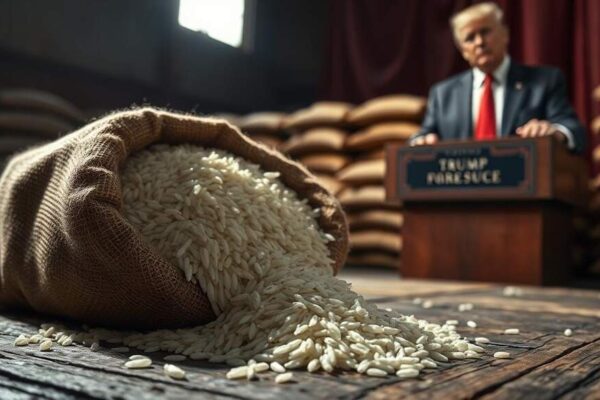
IREF pointed out that Indian rice shipments to the US are already levied with a 50% duty. (AI image) India’s rice exports may bear the brunt of escalating tensions in Iran and US President Donald Trump’s latest move to impose 25% tariffs on any country doing trade with Iran. “Effective immediately, any Country doing business…

Read More
‘I wish she was here to see this’: Elon Musk’s response to 15-year-old Liv Perrotto’s final eight questions goes viral after her death

‘I wish she was here to see this’: Elon Musk’s response to 15-year-old Liv Perrotto’s final eight questions goes viral after her death

A post involving Elon Musk and a teenager’s final wish has been circulating widely on social media, drawing attention across X(formerly Twitter) and other platforms. The story centres around 15-year-old Liv Perrotto, who reportedly had a dream of meeting Tesla and SpaceX CEO Elon Musk before she passed away after battling cancer. The situation gained…

Read More