Sonam Wangchuk begins indefinite hunger strike at Jantar Mantar in support of CJP protest

Sonam Wangchuk begins indefinite hunger strike at Jantar Mantar in support of CJP protest

NEW DELHI: Climate activist Sonam Wangchuk on Sunday began an indefinite hunger strike at Jantar Mantar, where the Cockroach Janata Party (CJP) has been staging a protest since June 20, demanding the resignation of education minister Dharmendra Pradhan over alleged irregularities in examinations.Hundreds of protesters, mostly students and young people, gathered at Jantar Mantar on…

Read More
R Ashwin points to selection bias, explains why Rohit Sharma and Virat Kohli are ‘impossible to drop’

R Ashwin points to selection bias, explains why Rohit Sharma and Virat Kohli are ‘impossible to drop’

Rohit Sharma and Virat Kohli (Image: AP) Former India off-spinner Ravichandran Ashwin believes dropping senior stars Rohit Sharma and Virat Kohli is virtually impossible as long as they want to continue playing, citing their extraordinary achievements and immense fan following.Rohit Sharma and Virat Kohli have been the pillars of Indian cricket for over 15 years,…

Read More
UBSE Class 10th, 12th result 2026 expected to be released soon @ubse.uk.gov.in: Here’s how you can download scorecards

UBSE Class 10th, 12th result 2026 expected to be released soon @ubse.uk.gov.in: Here’s how you can download scorecards

UK Board Class 10th, 12th result 2026 UBSE Class 10th, 12th result 2026: The Uttarakhand Board of School Education (UBSE) is likely to announce the Class 10 and Class 12 results for 2026 on its official website, ubse.uk.gov.in, in the coming days. This year, over 1.12 lakh students took the Class 10 exams, while close…

Read More
Priyanka Chopra says ‘I don’t think I ever wanted to leave Bollywood’: ‘I felt limited for many reasons in Hindi films’

Priyanka Chopra says ‘I don’t think I ever wanted to leave Bollywood’: ‘I felt limited for many reasons in Hindi films’

Priyanka Chopra’s journey from being one of Bollywood’s biggest stars to carving a space for herself in Hollywood has often sparked conversation online. Now, the global actor has opened up about what led to that transition and how her decision was shaped by the search for more fulfilling opportunities.After spending several years at the top…

Read More
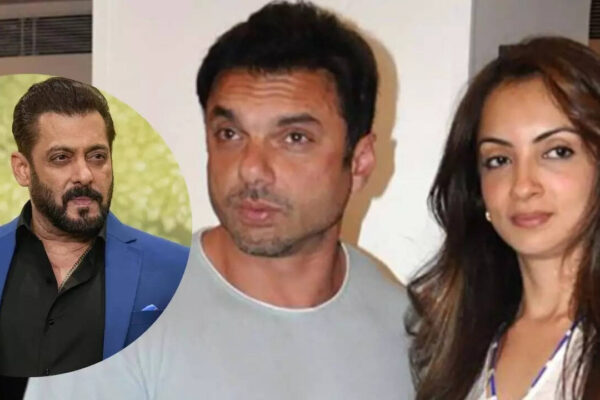
Seema Sajdeh opens up on amicable divorce with Sohail Khan, recalls Salman Khan and the family’s support during that time: ‘You guys may separate or not..’ | Hindi Movie News

Seema Sajdeh opens up on amicable divorce with Sohail Khan, recalls Salman Khan and the family’s support during that time: ‘You guys may separate or not..’ | Hindi Movie News

Sohail Khan and Seema Jajdeh got married in 1998 and the duo left everyone shocked as they announced divorce in 2022. They have two children, Nirvaan and Yohaan. While earlier, people did not know much about Seema, it was only after her appearance on ‘Fabulous Lives of Bollywood Wives’ that people got to know of…

Read More
Gold & silver price prediction: What’s the outlook for gold, silver in the New Year? Top things to know

Gold & silver price prediction: What’s the outlook for gold, silver in the New Year? Top things to know

On the upside, MCX Gold is poised to advance toward the 140,000 level in the upcoming sessions. (AI image) Gold and silver price prediction: Gold and silver prices are likely to maintain their bullish trend with dips and consolidation phases in between, says Abhilash Koikkara, Head – Forex & Commodities, Nuvama Professional Clients Group. He…

Read More
Did you know chanting Aditya Hridaya Stotra can enhance your self confidence?

Did you know chanting Aditya Hridaya Stotra can enhance your self confidence?

Experience the serene tranquility that emerges from vocalizing timeless hymns, extending far beyond well-known mantras such as the Gayathri. Delve into the Ramayana’s wisdom, particularly the Aditya Hridaya Stotra—a remarkable hymn revered for its transformative powers. Uncover the profound changes this sacred verse can usher into your daily existence, as explored in our article. Chanting…

Read More
PM Modi NEW DELHI: Prime Minister Narendra Modi on Tuesday welcomed the implementation of Ayushman Bharat and other central welfare schemes in West Bengal, days after the BJP formed the government in the state for the first time.In a post on X on Tuesday, PM Modi said, “The welfare of my brothers and sisters in West Bengal is of the utmost importance.”  Watch Why PM Modi Wants Indians To Avoid Gold Purchases And Foreign Travel“I am extremely delighted that the people of the state will have access to Ayushman Bharat, the world’s largest health service, which ensures access to high-quality and affordable healthcare. At the same time, the double-engine government will ensure the seamless implementation of important central projects,” he added.The move follows the first cabinet meeting of the new West Bengal government on Monday, where CM Suvendu Adhikari announced the rollout of central schemes such as Ayushman Bharat, Beti Bachao Beti Padhao, Pradhan Mantri Fasal Bima and PM Vishwakarma.Also read | What’s on Suvendu Adhikari govt’s agenda today: Ayushman Bharat, border fencing and bureaucratic overhaulAdhikari said the schemes would be implemented without discontinuing existing state welfare programmes, including Lakshmir Bhandar and Swasthya Sathi.Ahead of the Assembly polls, PM Modi had announced at a rally in Bengal that a BJP cabinet in the state would approve the implementation of Ayushman Bharat in its first meeting. The scheme provides eligible families with annual health insurance coverage of up to Rs 5 lakh.It remains unclear how the state government plans to run both central and state welfare schemes in sectors where beneficiaries may overlap, particularly Ayushman Bharat and Swasthya Sathi.“To avail benefits under Ayushman Bharat, one must meet certain conditions.Those not eligible for Ayushman Bharat are likely to continue receiving benefits under Swasthya Sathi. Those who make the cut, will get Ayushman benefits,” a source said.Adhikari took oath as West Bengal’s ninth chief minister on Saturday, becoming the first BJP leader to head the state government after ending the All India Trinamool Congress’s 15-year rule.About the AuthorTOI News DeskThe TOI News Desk comprises a dedicated and tireless team of journalists who operate around the clock to deliver the most current and comprehensive news and updates to the readers of The Times of India worldwide. With an unwavering commitment to excellence in journalism, our team is at the forefront of gathering, verifying, and presenting breaking news, in-depth analysis, and insightful reports on a wide range of topics. The TOI News Desk is your trusted source for staying informed and connected to the ever-evolving global landscape, ensuring that our readers are equipped with the latest developments that matter most.”Read MoreEnd of ArticleFollow Us On Social MediaVideosCongress Expands Kerala CM Consultations As Satheesan-Venugopal Battle IntensifiesTarn Taran BJP Office Attacked: Youths Vandalise Premises, Fire Shots In Air; Probe OnRahul Gandhi Targets Centre Over NEET Leak Allegations As Rajasthan SOG Expands ProbeFormer TMC Minister Sujit Bose Arrested By ED In Municipality Recruitment ‘Scam’PM Modi Slams Destination Weddings Abroad, Urges Indians To Avoid Foreign Travel’Voted For Whistle’: MDMK Chief Vaiko’s House Helps’ Meeting With CM Vijay Goes ViralRahul Slams PM Modi’s Crisis Appeal | NIA Probes Bengaluru Security Scare IntensifyTMC Leaders Turn On I-PAC After Bengal Poll Rout, Raise Explosive Claims Against FirmAfter PM Modi’s ‘Save Oil’ Appeal, Rajnath Singh Chairs Key Energy Security Review Meeting’Deeply Shocking’: TVK Ally Questions Vijay Over Vande Mataram Priority At Oath Ceremony123PhotostoriesCameron Diaz and Benji Madden’s marriage rule is going viral and couples are relating hardParenting Principles Primer by Canadian Experts: Five universal parenting strategies every parent should know7 powerful ways to value yourself and protect your peaceAlia Bhatt’s first Cannes 2026 look is here and it’s giving full Hollywood fashion icon vibesHantavirus warning: US CDC advises not to use vacuum cleaners to clean rat droppings; here’s whyMysore Palace: Inside India’s most spectacular royal residence7 hidden meanings behind your child’s “bad behaviour” that parents should know5 healthiest ways to eat Dates for better blood sugar controlIs hantavirus the next COVID? WHO director-general flags key pointers10 baby boy names inspired by the galaxy123Hot PicksCBSE class 12 resultModi on buying goldOil prices todayPune child rape-murder casePerambur election resultIndia-New Zealand FTASugarcane price hikeTop TrendingTamil Nadu CMYesterday Match ResultIPL Points TableUS Iran warTilak VarmaChandranath Rath MurderIPL Orange Cap 2026AIADMK splitPM Modi WFHPBKS vs DC Match Preview

PM Modi NEW DELHI: Prime Minister Narendra Modi on Tuesday welcomed the implementation of Ayushman Bharat and other central welfare schemes in West Bengal, days after the BJP formed the government in the state for the first time.In a post on X on Tuesday, PM Modi said, “The welfare of my brothers and sisters in West Bengal is of the utmost importance.” Watch Why PM Modi Wants Indians To Avoid Gold Purchases And Foreign Travel“I am extremely delighted that the people of the state will have access to Ayushman Bharat, the world’s largest health service, which ensures access to high-quality and affordable healthcare. At the same time, the double-engine government will ensure the seamless implementation of important central projects,” he added.The move follows the first cabinet meeting of the new West Bengal government on Monday, where CM Suvendu Adhikari announced the rollout of central schemes such as Ayushman Bharat, Beti Bachao Beti Padhao, Pradhan Mantri Fasal Bima and PM Vishwakarma.Also read | What’s on Suvendu Adhikari govt’s agenda today: Ayushman Bharat, border fencing and bureaucratic overhaulAdhikari said the schemes would be implemented without discontinuing existing state welfare programmes, including Lakshmir Bhandar and Swasthya Sathi.Ahead of the Assembly polls, PM Modi had announced at a rally in Bengal that a BJP cabinet in the state would approve the implementation of Ayushman Bharat in its first meeting. The scheme provides eligible families with annual health insurance coverage of up to Rs 5 lakh.It remains unclear how the state government plans to run both central and state welfare schemes in sectors where beneficiaries may overlap, particularly Ayushman Bharat and Swasthya Sathi.“To avail benefits under Ayushman Bharat, one must meet certain conditions.Those not eligible for Ayushman Bharat are likely to continue receiving benefits under Swasthya Sathi. Those who make the cut, will get Ayushman benefits,” a source said.Adhikari took oath as West Bengal’s ninth chief minister on Saturday, becoming the first BJP leader to head the state government after ending the All India Trinamool Congress’s 15-year rule.About the AuthorTOI News DeskThe TOI News Desk comprises a dedicated and tireless team of journalists who operate around the clock to deliver the most current and comprehensive news and updates to the readers of The Times of India worldwide. With an unwavering commitment to excellence in journalism, our team is at the forefront of gathering, verifying, and presenting breaking news, in-depth analysis, and insightful reports on a wide range of topics. The TOI News Desk is your trusted source for staying informed and connected to the ever-evolving global landscape, ensuring that our readers are equipped with the latest developments that matter most.”Read MoreEnd of ArticleFollow Us On Social MediaVideosCongress Expands Kerala CM Consultations As Satheesan-Venugopal Battle IntensifiesTarn Taran BJP Office Attacked: Youths Vandalise Premises, Fire Shots In Air; Probe OnRahul Gandhi Targets Centre Over NEET Leak Allegations As Rajasthan SOG Expands ProbeFormer TMC Minister Sujit Bose Arrested By ED In Municipality Recruitment ‘Scam’PM Modi Slams Destination Weddings Abroad, Urges Indians To Avoid Foreign Travel’Voted For Whistle’: MDMK Chief Vaiko’s House Helps’ Meeting With CM Vijay Goes ViralRahul Slams PM Modi’s Crisis Appeal | NIA Probes Bengaluru Security Scare IntensifyTMC Leaders Turn On I-PAC After Bengal Poll Rout, Raise Explosive Claims Against FirmAfter PM Modi’s ‘Save Oil’ Appeal, Rajnath Singh Chairs Key Energy Security Review Meeting’Deeply Shocking’: TVK Ally Questions Vijay Over Vande Mataram Priority At Oath Ceremony123PhotostoriesCameron Diaz and Benji Madden’s marriage rule is going viral and couples are relating hardParenting Principles Primer by Canadian Experts: Five universal parenting strategies every parent should know7 powerful ways to value yourself and protect your peaceAlia Bhatt’s first Cannes 2026 look is here and it’s giving full Hollywood fashion icon vibesHantavirus warning: US CDC advises not to use vacuum cleaners to clean rat droppings; here’s whyMysore Palace: Inside India’s most spectacular royal residence7 hidden meanings behind your child’s “bad behaviour” that parents should know5 healthiest ways to eat Dates for better blood sugar controlIs hantavirus the next COVID? WHO director-general flags key pointers10 baby boy names inspired by the galaxy123Hot PicksCBSE class 12 resultModi on buying goldOil prices todayPune child rape-murder casePerambur election resultIndia-New Zealand FTASugarcane price hikeTop TrendingTamil Nadu CMYesterday Match ResultIPL Points TableUS Iran warTilak VarmaChandranath Rath MurderIPL Orange Cap 2026AIADMK splitPM Modi WFHPBKS vs DC Match Preview

NEW DELHI: Prime Minister Narendra Modi on Tuesday welcomed the implementation of Ayushman Bharat and other central welfare schemes in West Bengal, days after the BJP formed the government in the state for the first time.In a post on X on Tuesday, PM Modi said, “The welfare of my brothers and sisters in West Bengal…

Read More
Elnaaz Norouzi ‘almost said no’ to ‘Sacred Games’ because of on-screen intimate scene with Nawazuddin Siddiqui: ‘I didn’t want to do that’

Elnaaz Norouzi ‘almost said no’ to ‘Sacred Games’ because of on-screen intimate scene with Nawazuddin Siddiqui: ‘I didn’t want to do that’

‘Sacred Games’ star Elnaaz Norouzi has spoken openly about how she looks at bold and intimate scenes on screen. For her, it is never about shock value but has always been about meaning. In a recent interview, she got candid and shared that nothing is a straight yes or no for her. Elnaaz Norouzi about…

Read More
‘It was entirely my fault’: Abhimanyu Easwaran owns freak run-out that stunned Ranji Trophy match | Cricket News

‘It was entirely my fault’: Abhimanyu Easwaran owns freak run-out that stunned Ranji Trophy match | Cricket News

File Pic: Abhimanyu Easwaran (PTI Photo) NEW DELHI: Bengal captain Abhimanyu Easwaran accepted full responsibility for a freak run-out that left players and spectators stunned during Bengal’s Ranji Trophy clash against Services at the Bengal Cricket Academy ground in Kalyani on Thursday.Go Beyond The Boundary with our YouTube channel. SUBSCRIBE NOW!Easwaran, batting fluently on 81…

Read More
Jennifer Lopez’s child Emme graduates as Oskar Muniz; Ben Affleck and Jennifer Garner’s son  Samuel attends ceremony – PICS

Jennifer Lopez’s child Emme graduates as Oskar Muniz; Ben Affleck and Jennifer Garner’s son Samuel attends ceremony – PICS

Proud mom, Jennifer Lopez suited up in style as one of her twins graduated from high school in Los Angeles. The singer and actress turned the graduation ceremony into a family affair as she attended the ceremony with her mother, Guadalupe Rodríguez, and son Max.Also present at the event was Samuel Affleck, the son of…

Read More
‘Bina touch kiye protect kar’: Jacqueline Fernandez’s bodyguard sparks fierce online debate after restraining her from fans and grabbing her wrist

‘Bina touch kiye protect kar’: Jacqueline Fernandez’s bodyguard sparks fierce online debate after restraining her from fans and grabbing her wrist

A video of Jacqueline Fernandez’s bodyguard grabbing her wrist to pull her away from fans at a Mumbai event has gone viral. Despite this, Jacqueline stopped to pose for pictures. Netizens were divided over the incident. She will next be seen in Welcome to the Jungle releasing June 26, 2026. Jacqueline Fernandez found herself at…

Read More
‘She’s a mother, she’s has earned that place’: Kangana Ranaut backs Deepika Padukone’s eight-hour workday demand

‘She’s a mother, she’s has earned that place’: Kangana Ranaut backs Deepika Padukone’s eight-hour workday demand

Kangana Ranaut supports Deepika Padukone’s exits from Spirit and Kalki 2898 AD sequel over 8-hour workday demands, saying as a top actress and mother, “she has earned it.” She recalls their past 12-14 hour shifts, slams pressures on women, with Deepika next in Raaka. Kangana Ranaut has strongly supported Deepika Padukone following the latter’s high-profile…

Read More
Oman Royal Police dismantle major international drug trafficking network

Oman Royal Police dismantle major international drug trafficking network

Oman Police arrested five Asian nationals linked to international drug smuggling, domestic distribution, and re-export/Image: X ROP video screenshot In a decisive operation, Oman’s Royal Police have dismantled a cell of an international drug gang, reflecting the Sultanate’s rigorous approach to combating narcotics trafficking and safeguarding public order. The arrests mark a significant stride in…

Read More
Generative image On National Maritime Day, when India pauses to mark the historic voyage of its first modern merchant ship and celebrate a legacy that stretches back to ancient seafarers, the focus is usually on pride. This year, however, it may also be a moment to look harder at the seas that sustain it. In many ways, the turbulence in global sea lanes resembles a modern samudra manthan, a churning of the oceans where both risk (poison) and opportunity (nectar) surface together, testing how nations respond.The churn is no longer distant as the circumstances are edged with urgency. Far from ceremonial speeches and commemorative events, India’s maritime reality is unfolding in some of the world’s most volatile waters, where tankers and cargo ships navigate not just distance but danger! The challenge is not only to shield these lifelines, but to turn this churn into advantage, extracting strategic and economic gains from a crisis that cannot be wished away.On most days, India’s economic heartbeat is invisible. It does not pulse through stock exchanges or policy corridors but across vast, restless waters where ships move quietly between continents. Yet, when conflict erupts in narrow choke points like the Strait of Hormuz, that invisible system becomes the country’s most visible vulnerability. Major chokepoints The ongoing tensions have done exactly that, forcing India to confront a reality it has long managed but rarely foregrounded.Its growth, its energy security and its strategic autonomy are all tied to sea lanes that run through some of the most volatile regions on the Earth.A narrow strait that powers a giant economyThe Strait of Hormuz is not just another maritime passage. It is the artery through which nearly a fifth of the world’s oil flows, and for India, its importance is even more acute. Around 80 per cent of India’s energy imports pass through this corridor, making it a single point of failure for a country that is among the world’s largest energy consumers. The recent escalation involving Iran, Israel and the United States has demonstrated how quickly this artery can constrict. Importance of Indian oceanTanker traffic has slowed, vessels have been stranded and insurance costs have surged. For India, this has translated into immediate concerns over supply disruptions, rising crude prices and broader macroeconomic stress.The numbers strikingly reflect the scale of exposure. India imports more than 85 per cent of its crude oil and a significant share of its natural gas. Nearly half of that crude and over 60 per cent of LNG and LPG have historically moved through Hormuz. This is not just an energy issue but a systemic one. When oil flows are disrupted, inflation rises, the rupee weakens and industrial costs climb.Operation Sankalp and the navy’s silent watchAs tensions escalated, India responded not just through diplomacy but through deployment. Under Operation Sankalp, Indian naval warships have been maintaining a constant vigil in the Gulf region, escorting merchant vessels and ensuring safe passage through high-risk waters.At any given moment, dozens of Indian seafarers and vessels operate in and around the Persian Gulf. During the current crisis, several India-bound ships carrying crude oil and LPG were stranded or forced to alter routes. The navy’s role has been to provide a security umbrella, deterring threats ranging from missile strikes to drone attacks.The deployment of advanced warships such as INS Surat reflects a broader shift in India’s maritime posture. The navy is no longer confined to coastal defence. It is increasingly tasked with protecting sea lines of communication that stretch from the Gulf of Aden to the western Pacific.Trade rides the wavesEnergy is only one part of the story. Nearly 95 per cent of India’s trade by volume moves by sea. From crude oil and LNG to coal, fertilisers and electronics, the country’s economic lifeline is maritime.The Strait of Hormuz is central to this network, but it is not the only chokepoint. The Red Sea and the Suez Canal form another critical corridor linking India to Europe. Disruptions in these regions create a double vulnerability, forcing ships to take longer routes around the Cape of Good Hope, increasing costs and delays. Principal commodities handled by major portsIndia’s trade exposure to Gulf economies is also significant. About 16 per cent of its total trade is linked to this region, making any disruption not just an energy crisis but a broader economic challenge.Ports as gateways to prosperityIndia’s coastline stretches over 7,500 kilometres and hosts a network of major and minor ports that serve as gateways to global trade. Ports such as Mumbai, Kandla, Visakhapatnam, Chennai and Kochi handle millions of tonnes of cargo every year. Ports in IndiaEach port has its own specialisation. Western ports like Kandla and Mumbai handle large volumes of crude oil and petroleum products due to their proximity to the Gulf. Eastern ports such as Paradip and Visakhapatnam are crucial for coal and mineral exports. Southern ports like Chennai and Tuticorin play a key role in container traffic and industrial goods.The principal commodities moving through these ports reflect the structure of India’s economy. Crude oil, LNG, coal, iron ore, fertilisers and containerised goods dominate the cargo mix. This heavy reliance on imported energy and raw materials further amplifies the importance of secure maritime routes.Government initiatives such as Sagarmala aim to modernise ports, improve connectivity and reduce logistics costs. While these efforts enhance efficiency, they do not eliminate the risks posed by external chokepoints like Hormuz. Sagarmala ProgrammeThe IMEC factor and the search for alternativesThe India-Middle-East-Europe Corridor (IMEC) has emerged as a strategic response to some of these vulnerabilities. By combining maritime and overland routes, it aims to create an alternative pathway linking India to Europe through the Middle East.The corridor is significant not just for trade but for geopolitics. It reduces dependence on traditional routes and offers a framework for deeper economic integration with Gulf and European partners. However, it is not a complete substitute for existing sea lanes. Maritime routes will continue to dominate due to their scale and cost efficiency. IMECWhat IMEC does offer is redundancy. In a world where chokepoints can be disrupted by conflict, having multiple pathways becomes a strategic necessity rather than a luxury.A legacy written in the wavesIndia’s maritime story did not begin with modern trade or globalisation. It stretches back thousands of years to the Harappan civilisation, where ports like Lothal served as hubs of international commerce.Archaeological evidence shows that Harappan traders navigated the Arabian Sea, exporting goods such as carnelian beads to Mesopotamia. The construction of a sophisticated dockyard at Lothal demonstrates an advanced understanding of tides and maritime engineering.Ancient texts further reinforce this legacy. The Rigveda contains references to ocean voyages and ships with multiple oars. The Arthashastra describes administrative structures for managing maritime trade, including officials responsible for overseeing navigation and taxation.Prime Minister Narendra Modi on Sunday highlighted India’s maritime heritage and lauded the contribution of those associated with the sector on National Maritime Day.In a post on X, Modi said the dedication of people linked to the maritime sector plays a vital role in strengthening the country’s economy, trade and connectivity.”On National Maritime Day, we recall India’s maritime heritage and the invaluable contribution of all those associated with this sector. Their dedication strengthens our economy, trade and connectivity,” he said.Empires that ruled the seasIndia’s maritime prowess continued through successive empires. The Mauryas maintained a structured naval administration, while the Satavahanas facilitated trade with the Roman world. Roman coins found in India testify to the scale of this exchange.The Cholas represent the high point of India’s naval power. Their fleets dominated the Bay of Bengal and extended influence into Southeast Asia, conducting expeditions that were both military and commercial. Their maritime networks connected India to China and beyond, shaping trade and cultural exchange across the region. Chola Territories during Rajendra CholaThis long history signifies a crucial point. Maritime activity has always been central to India’s economic and strategic identity. The oceans were not barriers but bridges.From decline to resurgenceIndia’s maritime power declined during the colonial period, as European powers established control over sea routes. Indigenous shipbuilding and naval capabilities were gradually eroded, and India became dependent on foreign-controlled maritime systems.The post-independence period marked a slow but steady resurgence. The Indian Navy evolved into a modern force capable of operating across the Indian Ocean. Anti-piracy missions in the Gulf of Aden and humanitarian operations have reinforced its role as a net security provider in the region.Today, initiatives such as SAGAR and MAHASAGAR reflect a broader strategic vision. They emphasise security, cooperation and sustainable development across the Indian Ocean region, positioning India as a key maritime actor.The new age of maritime riskThe Hormuz crisis has highlighted a fundamental shift in the nature of maritime threats. Unlike piracy, which involves non-state actors, the current risks stem from state-level conflicts involving advanced weaponry such as missiles and drones.This changes the calculus of maritime security. Protecting sea lanes now requires not just naval presence but also intelligence, coordination and international cooperation. It also demands integration with economic and diplomatic strategies.India’s response has already begun to reflect this shift. Enhanced monitoring systems, regulatory measures and multi-agency coordination have been put in place to manage the crisis.Building resilience in uncertain watersThe immediate response to the Hormuz disruption has been diversification. India has expanded its pool of energy suppliers, reducing reliance on a single region. This is a necessary but not sufficient step.Long-term resilience requires a broader strategy. Expanding strategic petroleum reserves can provide a buffer against short-term disruptions. Investing in alternative routes and infrastructure can reduce dependence on chokepoints. Strengthening naval capabilities can enhance the ability to secure sea lanes.Equally important is integrating maritime considerations into economic planning. Energy security, trade policy and foreign relations must all account for the risks associated with maritime routes.National Maritime Day is often seen as a celebration of India’s seafaring heritage. This year, it carries a more urgent message. The seas that have enabled India’s rise are also its most significant vulnerability.The Hormuz crisis is not an isolated event but a glimpse into a future where maritime disruptions may become more frequent. In such a world, the security of sea lanes is not just a naval concern but a national priority.India’s journey from the docks of Lothal to the modern ports of Mumbai and Visakhapatnam reflects a continuity of maritime engagement. The challenge now is to adapt that legacy to a new era of uncertainty.When the oceans are secure, India’s economy flows smoothly. When they are disrupted, the consequences ripple across every sector.In the end, the story of India’s maritime lifeline is not just about ships and routes. It is about resilience, strategy and the ability to navigate a world where the calmest waters can suddenly turn turbulent.About the AuthorRajeev SinghRajeev Singh is a Digital Content Producer with The Times of India. He covers politics, policies, defence, and conflicts for readers curious to know their implications. He loves digging into legal maxims and political trivia. On off days, when not turning pages or learning русский, he lives in the reverie of “what ifs” and “how abouts.”Read MoreEnd of ArticleFollow Us On Social MediaVideosPakistan To Return .5 Billion UAE Debt In April Despite Reserve StrainOil India Posts Record Crude Output From Rajasthan’s Thar Desert Amid West Asia Crisis‘True Friendship’: Iran Envoy Lauds India Ties, Clarifies Deleted Thank You PostsPM Modi Assures No Seat Cut For Southern States, Pushes Women’s Quota Bill‘Will Take It To Kolkata’: Pak Minister Khawaja Asif’s Fresh Threat After Rajnath’s Stern WarningBig Reveal: ISI Behind Chandigarh Attack, Global Terror Links Surface”Living In Fear”: Indian Family In Bahrain Amid Escalating Iran War‘Genius Move’: Ex-US Pilot Hails India’s Ploy To Use Rafale Decoys In Op Sindoor To Fool PakistanIndia Buys Iranian Oil After 7 Years, No Payment Hurdles Reported“Violation Of Article 21”: Owaisi Slams UCC, Says It Interferes With Religious Freedom123PhotostoriesIs clay pot (matka) water safe? 5-step cleaning tips & summer benefits of matka waterFrom Carmen Electra to Eddie Murphy: Looking back at the most shocking short-lived celebrity weddingsBest Angelina Jolie movies of all time: ‘Girl, Interrupted’, ‘Maleficent’ and moreShiney Ahuja, Rimi Sen to Uday Chopra : The 2000s Bollywood faces who faded away from the big screenBefore age 10, these 12 simple things parents say can shape a child’s confidence and emotional strength for lifeDivyanka Tripathi and Vivek Dahiya host a heartwarming baby shower ceremony; co-star Ruhaanika Dhawan, actor Dheeraj Dhoopar, and others joinMumbai-Ahmedabad Bullet train corridor: 5 km tunnel excavation complete — why it’s a key step toward operationsBig relief for commuters: Noida plans 10-lane Pushta Road, new link to ease Delhi–Jewar airport traffic; what we knowTilak Varma’s multi-storey home in Hyderabad is rooted in humble beginnings, now a stylish residence shaped by cricket fame and family valuesRashmika Mandanna birthday special: Best performances to watch on OTT, from ‘Animal’ to ‘Chhaava’123Hot PicksIPL ScoreUpdated IPL Points TableApp Leader Raghav ChadhaLPG ShortageStephen CurryPublic holidays April 2026Bank Holidays AprilTop TrendingYesterday IPL match resultVaibhav SooryavanshiStrait of HormuzIPL 2026Saudi Arabia travel ban rulesToll PaymentIran Drone StrikeHailee SteinfeldSchool Holidays in AprilIran war news

Generative image On National Maritime Day, when India pauses to mark the historic voyage of its first modern merchant ship and celebrate a legacy that stretches back to ancient seafarers, the focus is usually on pride. This year, however, it may also be a moment to look harder at the seas that sustain it. In many ways, the turbulence in global sea lanes resembles a modern samudra manthan, a churning of the oceans where both risk (poison) and opportunity (nectar) surface together, testing how nations respond.The churn is no longer distant as the circumstances are edged with urgency. Far from ceremonial speeches and commemorative events, India’s maritime reality is unfolding in some of the world’s most volatile waters, where tankers and cargo ships navigate not just distance but danger! The challenge is not only to shield these lifelines, but to turn this churn into advantage, extracting strategic and economic gains from a crisis that cannot be wished away.On most days, India’s economic heartbeat is invisible. It does not pulse through stock exchanges or policy corridors but across vast, restless waters where ships move quietly between continents. Yet, when conflict erupts in narrow choke points like the Strait of Hormuz, that invisible system becomes the country’s most visible vulnerability. Major chokepoints The ongoing tensions have done exactly that, forcing India to confront a reality it has long managed but rarely foregrounded.Its growth, its energy security and its strategic autonomy are all tied to sea lanes that run through some of the most volatile regions on the Earth.A narrow strait that powers a giant economyThe Strait of Hormuz is not just another maritime passage. It is the artery through which nearly a fifth of the world’s oil flows, and for India, its importance is even more acute. Around 80 per cent of India’s energy imports pass through this corridor, making it a single point of failure for a country that is among the world’s largest energy consumers. The recent escalation involving Iran, Israel and the United States has demonstrated how quickly this artery can constrict. Importance of Indian oceanTanker traffic has slowed, vessels have been stranded and insurance costs have surged. For India, this has translated into immediate concerns over supply disruptions, rising crude prices and broader macroeconomic stress.The numbers strikingly reflect the scale of exposure. India imports more than 85 per cent of its crude oil and a significant share of its natural gas. Nearly half of that crude and over 60 per cent of LNG and LPG have historically moved through Hormuz. This is not just an energy issue but a systemic one. When oil flows are disrupted, inflation rises, the rupee weakens and industrial costs climb.Operation Sankalp and the navy’s silent watchAs tensions escalated, India responded not just through diplomacy but through deployment. Under Operation Sankalp, Indian naval warships have been maintaining a constant vigil in the Gulf region, escorting merchant vessels and ensuring safe passage through high-risk waters.At any given moment, dozens of Indian seafarers and vessels operate in and around the Persian Gulf. During the current crisis, several India-bound ships carrying crude oil and LPG were stranded or forced to alter routes. The navy’s role has been to provide a security umbrella, deterring threats ranging from missile strikes to drone attacks.The deployment of advanced warships such as INS Surat reflects a broader shift in India’s maritime posture. The navy is no longer confined to coastal defence. It is increasingly tasked with protecting sea lines of communication that stretch from the Gulf of Aden to the western Pacific.Trade rides the wavesEnergy is only one part of the story. Nearly 95 per cent of India’s trade by volume moves by sea. From crude oil and LNG to coal, fertilisers and electronics, the country’s economic lifeline is maritime.The Strait of Hormuz is central to this network, but it is not the only chokepoint. The Red Sea and the Suez Canal form another critical corridor linking India to Europe. Disruptions in these regions create a double vulnerability, forcing ships to take longer routes around the Cape of Good Hope, increasing costs and delays. Principal commodities handled by major portsIndia’s trade exposure to Gulf economies is also significant. About 16 per cent of its total trade is linked to this region, making any disruption not just an energy crisis but a broader economic challenge.Ports as gateways to prosperityIndia’s coastline stretches over 7,500 kilometres and hosts a network of major and minor ports that serve as gateways to global trade. Ports such as Mumbai, Kandla, Visakhapatnam, Chennai and Kochi handle millions of tonnes of cargo every year. Ports in IndiaEach port has its own specialisation. Western ports like Kandla and Mumbai handle large volumes of crude oil and petroleum products due to their proximity to the Gulf. Eastern ports such as Paradip and Visakhapatnam are crucial for coal and mineral exports. Southern ports like Chennai and Tuticorin play a key role in container traffic and industrial goods.The principal commodities moving through these ports reflect the structure of India’s economy. Crude oil, LNG, coal, iron ore, fertilisers and containerised goods dominate the cargo mix. This heavy reliance on imported energy and raw materials further amplifies the importance of secure maritime routes.Government initiatives such as Sagarmala aim to modernise ports, improve connectivity and reduce logistics costs. While these efforts enhance efficiency, they do not eliminate the risks posed by external chokepoints like Hormuz. Sagarmala ProgrammeThe IMEC factor and the search for alternativesThe India-Middle-East-Europe Corridor (IMEC) has emerged as a strategic response to some of these vulnerabilities. By combining maritime and overland routes, it aims to create an alternative pathway linking India to Europe through the Middle East.The corridor is significant not just for trade but for geopolitics. It reduces dependence on traditional routes and offers a framework for deeper economic integration with Gulf and European partners. However, it is not a complete substitute for existing sea lanes. Maritime routes will continue to dominate due to their scale and cost efficiency. IMECWhat IMEC does offer is redundancy. In a world where chokepoints can be disrupted by conflict, having multiple pathways becomes a strategic necessity rather than a luxury.A legacy written in the wavesIndia’s maritime story did not begin with modern trade or globalisation. It stretches back thousands of years to the Harappan civilisation, where ports like Lothal served as hubs of international commerce.Archaeological evidence shows that Harappan traders navigated the Arabian Sea, exporting goods such as carnelian beads to Mesopotamia. The construction of a sophisticated dockyard at Lothal demonstrates an advanced understanding of tides and maritime engineering.Ancient texts further reinforce this legacy. The Rigveda contains references to ocean voyages and ships with multiple oars. The Arthashastra describes administrative structures for managing maritime trade, including officials responsible for overseeing navigation and taxation.Prime Minister Narendra Modi on Sunday highlighted India’s maritime heritage and lauded the contribution of those associated with the sector on National Maritime Day.In a post on X, Modi said the dedication of people linked to the maritime sector plays a vital role in strengthening the country’s economy, trade and connectivity.”On National Maritime Day, we recall India’s maritime heritage and the invaluable contribution of all those associated with this sector. Their dedication strengthens our economy, trade and connectivity,” he said.Empires that ruled the seasIndia’s maritime prowess continued through successive empires. The Mauryas maintained a structured naval administration, while the Satavahanas facilitated trade with the Roman world. Roman coins found in India testify to the scale of this exchange.The Cholas represent the high point of India’s naval power. Their fleets dominated the Bay of Bengal and extended influence into Southeast Asia, conducting expeditions that were both military and commercial. Their maritime networks connected India to China and beyond, shaping trade and cultural exchange across the region. Chola Territories during Rajendra CholaThis long history signifies a crucial point. Maritime activity has always been central to India’s economic and strategic identity. The oceans were not barriers but bridges.From decline to resurgenceIndia’s maritime power declined during the colonial period, as European powers established control over sea routes. Indigenous shipbuilding and naval capabilities were gradually eroded, and India became dependent on foreign-controlled maritime systems.The post-independence period marked a slow but steady resurgence. The Indian Navy evolved into a modern force capable of operating across the Indian Ocean. Anti-piracy missions in the Gulf of Aden and humanitarian operations have reinforced its role as a net security provider in the region.Today, initiatives such as SAGAR and MAHASAGAR reflect a broader strategic vision. They emphasise security, cooperation and sustainable development across the Indian Ocean region, positioning India as a key maritime actor.The new age of maritime riskThe Hormuz crisis has highlighted a fundamental shift in the nature of maritime threats. Unlike piracy, which involves non-state actors, the current risks stem from state-level conflicts involving advanced weaponry such as missiles and drones.This changes the calculus of maritime security. Protecting sea lanes now requires not just naval presence but also intelligence, coordination and international cooperation. It also demands integration with economic and diplomatic strategies.India’s response has already begun to reflect this shift. Enhanced monitoring systems, regulatory measures and multi-agency coordination have been put in place to manage the crisis.Building resilience in uncertain watersThe immediate response to the Hormuz disruption has been diversification. India has expanded its pool of energy suppliers, reducing reliance on a single region. This is a necessary but not sufficient step.Long-term resilience requires a broader strategy. Expanding strategic petroleum reserves can provide a buffer against short-term disruptions. Investing in alternative routes and infrastructure can reduce dependence on chokepoints. Strengthening naval capabilities can enhance the ability to secure sea lanes.Equally important is integrating maritime considerations into economic planning. Energy security, trade policy and foreign relations must all account for the risks associated with maritime routes.National Maritime Day is often seen as a celebration of India’s seafaring heritage. This year, it carries a more urgent message. The seas that have enabled India’s rise are also its most significant vulnerability.The Hormuz crisis is not an isolated event but a glimpse into a future where maritime disruptions may become more frequent. In such a world, the security of sea lanes is not just a naval concern but a national priority.India’s journey from the docks of Lothal to the modern ports of Mumbai and Visakhapatnam reflects a continuity of maritime engagement. The challenge now is to adapt that legacy to a new era of uncertainty.When the oceans are secure, India’s economy flows smoothly. When they are disrupted, the consequences ripple across every sector.In the end, the story of India’s maritime lifeline is not just about ships and routes. It is about resilience, strategy and the ability to navigate a world where the calmest waters can suddenly turn turbulent.About the AuthorRajeev SinghRajeev Singh is a Digital Content Producer with The Times of India. He covers politics, policies, defence, and conflicts for readers curious to know their implications. He loves digging into legal maxims and political trivia. On off days, when not turning pages or learning русский, he lives in the reverie of “what ifs” and “how abouts.”Read MoreEnd of ArticleFollow Us On Social MediaVideosPakistan To Return $3.5 Billion UAE Debt In April Despite Reserve StrainOil India Posts Record Crude Output From Rajasthan’s Thar Desert Amid West Asia Crisis‘True Friendship’: Iran Envoy Lauds India Ties, Clarifies Deleted Thank You PostsPM Modi Assures No Seat Cut For Southern States, Pushes Women’s Quota Bill‘Will Take It To Kolkata’: Pak Minister Khawaja Asif’s Fresh Threat After Rajnath’s Stern WarningBig Reveal: ISI Behind Chandigarh Attack, Global Terror Links Surface”Living In Fear”: Indian Family In Bahrain Amid Escalating Iran War‘Genius Move’: Ex-US Pilot Hails India’s Ploy To Use Rafale Decoys In Op Sindoor To Fool PakistanIndia Buys Iranian Oil After 7 Years, No Payment Hurdles Reported“Violation Of Article 21”: Owaisi Slams UCC, Says It Interferes With Religious Freedom123PhotostoriesIs clay pot (matka) water safe? 5-step cleaning tips & summer benefits of matka waterFrom Carmen Electra to Eddie Murphy: Looking back at the most shocking short-lived celebrity weddingsBest Angelina Jolie movies of all time: ‘Girl, Interrupted’, ‘Maleficent’ and moreShiney Ahuja, Rimi Sen to Uday Chopra : The 2000s Bollywood faces who faded away from the big screenBefore age 10, these 12 simple things parents say can shape a child’s confidence and emotional strength for lifeDivyanka Tripathi and Vivek Dahiya host a heartwarming baby shower ceremony; co-star Ruhaanika Dhawan, actor Dheeraj Dhoopar, and others joinMumbai-Ahmedabad Bullet train corridor: 5 km tunnel excavation complete — why it’s a key step toward operationsBig relief for commuters: Noida plans 10-lane Pushta Road, new link to ease Delhi–Jewar airport traffic; what we knowTilak Varma’s multi-storey home in Hyderabad is rooted in humble beginnings, now a stylish residence shaped by cricket fame and family valuesRashmika Mandanna birthday special: Best performances to watch on OTT, from ‘Animal’ to ‘Chhaava’123Hot PicksIPL ScoreUpdated IPL Points TableApp Leader Raghav ChadhaLPG ShortageStephen CurryPublic holidays April 2026Bank Holidays AprilTop TrendingYesterday IPL match resultVaibhav SooryavanshiStrait of HormuzIPL 2026Saudi Arabia travel ban rulesToll PaymentIran Drone StrikeHailee SteinfeldSchool Holidays in AprilIran war news

On National Maritime Day, when India pauses to mark the historic voyage of its first modern merchant ship and celebrate a legacy that stretches back to ancient seafarers, the focus is usually on pride. This year, however, it may also be a moment to look harder at the seas that sustain it. In many ways,…

Read More