
Not gold or lithium, this quiet Korean wine town is sitting on a massive mineral you use every day

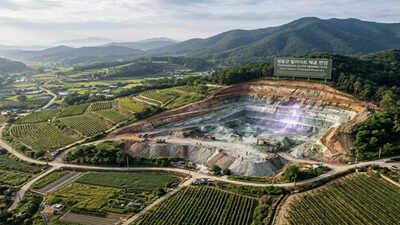
Korean skincare has already taken the internet by storm. But what if geologists discover a tiny mineral in your skincare and mobile phone, beneath a Korean town, that could change the future? A rural county in South Korea known for wine trails and jazz festivals is now drawing attention for a similar reason.Scientists have discovered a vast deposit of illite beneath the ground in Yeongdong County, marking a shift in focus from the tourism industry to natural resources. Illite is an easily obtainable mineral, commonly found in clay deposits prevalent around the globe and in sedimentary rocks. The importance of the deposit does not lie in the kind of mineral, but in its scale and amount. Scientists estimated that the deposit may become one of the largest of its kind.The deposit transforms the way scientists view the region. Instead of being solely viewed as a destination, the area has become a source for industrial materials involved in global supply chains.What is illite and why does it matterIllite is a representative of a group of clay minerals widely utilised in industrial production. As noted by the United States Geological Survey (USGS), illite occurs in shale, sandstone, and other sedimentary rocks and affects several industries.The usefulness of illite is determined by its physical and chemical properties. This includes fine-grained structure, moisture resistance, and high absorbent capacity, enabling the mineral’s use in the ceramics and coating industries. As stated by the experts, common minerals may become economically significant only due to the size and accessibility of deposits. Additionally, industrial minerals are valued based on the quantity and usefulness of these deposits rather than their rarity.Why skincare products need clay mineralsAt first glance, there might not seem to be a connection between skincare and clay. Yet there is one, and it has been scientifically proven. According to a study by the National Library of Medicine, clay minerals are used extensively in cosmetic products for their absorbent and soothing properties.They are not applied directly but are processed, purified, and tested to ensure their use in creams and masks is effective. The efficiency of such minerals depends on their size and composition.Thus, a discovery of an illite deposit might garner the attention of cosmetologists who require clay minerals to manufacture skincare products.
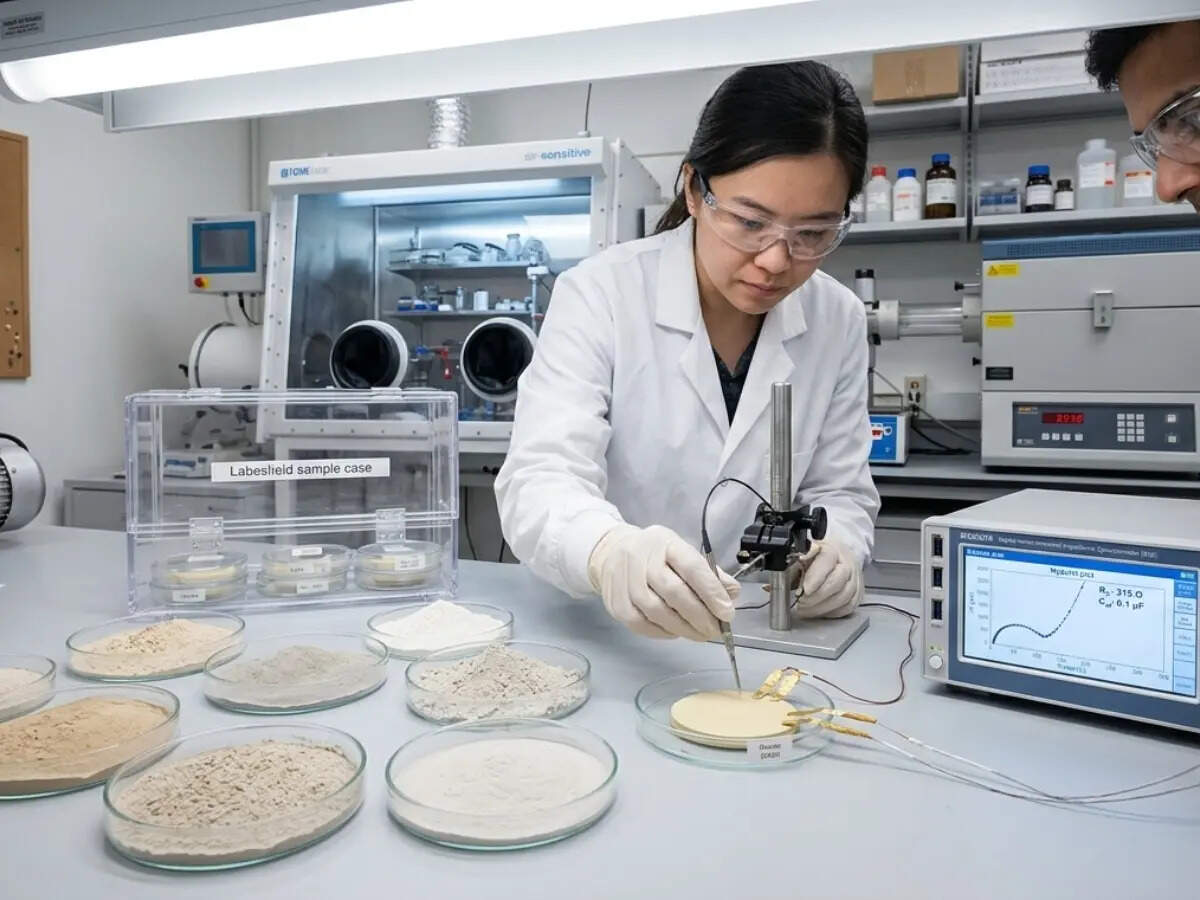
From face cream to EV batteries, scientists just found a massive mineral deposit in Korea that’s already in your daily life. Image credit – Gemini
Connection of clay minerals with battery researchThe link between illite and batteries is also not straightforward but remains scientific. This common industrial mineral is indeed not a battery mineral such as lithium or cobalt. However, there have been studies on the application of clay minerals in the components of a battery.One study indexed in PubMed focused on clay minerals, such as illite, as battery separator materials for lithium-sulfur batteries. Such battery components aid in regulating ion transport within the battery.Based on the results, the use of clay minerals may improve battery performance. This means that illite may not entirely substitute any vital material in a battery, but it may become a component of battery technology.How such a large deposit of illite formed in the Korean countyThe formation of illite deposits requires going back to long geological timescales. Rocks undergo decomposition through weathering and chemical processes. Water passes through the rock layers, leading to the alteration of minerals and creating clay deposits.Several scientific studies reveal that geochemical weathering processes may occur over thousands to millions of years.As clay deposits are sometimes not conspicuous enough to be spotted on the ground, they can lie hidden underground for quite some time before being discovered by geologists.Significance of illite discovery beyond KoreaIt might appear that the discovery of a large deposit of a relatively common mineral does not carry as much significance as that of precious metals such as gold or lithium. However, this is still economically relevant in many industries.Research by the USGS indicates that discovering a new mineral deposit has far-reaching consequences for supply chains. Having a reliable source of the mineral will reduce dependence on imports and help develop manufacturing in the region.Yeongdong County is home to a little-known mineral that may soon become a part of our everyday lives through various industrial applications.


