
– NEW DELHI: Seeking a unified, global approach in the fight against narcotics and narco-terror, Home minister Amit Shah Friday said India has chalked out a roadmap to eradicate drug cartels and make itself drug-free by 2047, such that not a single gram of drugs can enter the country or transit through its land or sea borders.“The strategic goal of demolishing drug syndicates has been set. India aims for a completely drug-free eco-system by 2047; a concrete roadmap for this has been prepared with all the stakeholder ministries on board,” Shah said while delivering the R N Kao Memorial lecture organised here by Research and Analysis Wing (RAW). The lecture — organised annually since 2007 in honour of Kao, the founder of RAW — was themed on ‘Narcotics: A borderless threat, a collective responsibility” this year.Turning to diplomats in the audience representing 40 countries, Shah appealed that they carry back the message of synergised approach for a drug-free world, to their respective govts.Shah suggested that the nations must adopt a unified legal framework to deal with narcotics menace, focused on a common definition of controlled substances and similar penalties, actively share leads on movement of narcotics consignments and work closely to have drug kingpins extradited and brought to justice. “If this is not done, the narcotics and narco terror problem may grow out of control in the next 10 years,” the minister warned while batting for balancing the ruthless approach against narcotics trade and drug cartels with a humane approach towards the victims of substance abuse.The Union home minister highlighted that drug trafficking was not just a law and order problem left to be handled by the police or anti-narcotics agencies, but an issue with a long-lasting impact on society and future generations. With drugs/narcotics proceeds known to fund narco-terror, organised crime and insurgencies across geographies, the minister said the battle against drugs must rise above geopolitical differences and individual national interests. “The world must simultaneously fight both narco networks and narco-terror states,” he stated.He shared that India had, in the past two years, brought back more than 40 transnational criminals to India, with the support of friendly countries.“There is a need for all responsible countries to reach a consensus that the war on drugs is critical to national security, protecting public health and preventing narco-states from becoming alternative power centres,” said the home minister.About the AuthorBharti JainBharti Jain is senior editor with The Times of India, New Delhi. She has been writing on security matters since 1996. Having covered the Union home ministry, security agencies, Election Commission and the ‘prime’ political beat, the Congress, for The Economic Times all these years, she moved to TOI in August 2012. Her repertoire of news stories delves into the whole gamut of issues related to terrorism and internal strife, besides probing strategic affairs in India’s neighbourhood.Read MoreEnd of ArticleFollow Us On Social MediaVideos’Not An Iota Of Truth’: PM Modi Rubbishes Report Of Restriction On Foreign Travel28 Hostages From Kuki, Naga Communities Held By Armed Groups Released In Manipur’I Am Sorry To…’: Shashi Tharoor To Skip VD Satheesan’s Swearing-In As Kerala CMNEET UG 2026 Re-Exam On June 21, Computer-Based Test Format From Next Year: Education MinisterOman To Gujarat: India Fast-Tracks Deep-Sea Gas Pipeline Project Amid Hormuz CrisisCJI Surya Kant Makes Strong Remarks During Senior Advocate HearingKerala CM-Designate Satheesan Hits Back At BJP Over IUML, Secularism DebateFormer RAW Chief Flags Security Risks Over PM Modi’s Convoy DownsizingTMC MP Derek O’Brien Slams Centre After Petrol-Diesel Hike, Targets Modi Government’Bhojshala Complex Is A Temple, Hindus Have Right To Worship’: MP High Court123PhotostoriesKishwer Merchant recalls her father’s reaction to her interfaith marriage and age gap with Suyyash Rai; reacts to her son being trolled for wearing a skull capLauki vs Tori: Which has more nutrition for summer and 5 interesting ways to eat themAncient Kashmiri beauty secrets that are becoming popular again in IndiaFrom transparent bodies to underground lives: 5 bizarre frogs you’ve probably never heard of8 modern TV unit designs to instantly upgrade your living roomPersonality test: Mango, litchi, watermelon? Pick a fruit and see if you are a natural leader, kind, or creativeCannes 2026:Why Sanam Saeed’s Cannes debut is a major moment for Pakistani cinemaHow to grow butterfly-friendly native plants in Indian city home gardensNot just travel: 10 cheapest countries to retire in — 9 and 10 will surprise you5 adorable dog breeds that stay puppy-sized forever123Hot PicksCBSE class 12 resultUS Iran warPrateek YadavHaryana election resultForeign outflowNEET exam cancelledTamil Nadu assemblyTop TrendingNEET UG Re-Exam dateAdmit card indian army agniveer gdIPL Points TablePM ModiKerala Board SSLC Result 2026IPL 2026IPL Orange Cap 2026Bengaluru RapeWho is Shubham KhairnarIndia UA Trade Talk

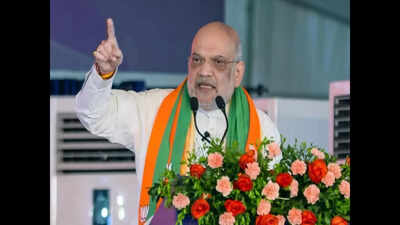
NEW DELHI: Seeking a unified, global approach in the fight against narcotics and narco-terror, Home minister Amit Shah Friday said India has chalked out a roadmap to eradicate drug cartels and make itself drug-free by 2047, such that not a single gram of drugs can enter the country or transit through its land or sea borders.“The strategic goal of demolishing drug syndicates has been set. India aims for a completely drug-free eco-system by 2047; a concrete roadmap for this has been prepared with all the stakeholder ministries on board,” Shah said while delivering the R N Kao Memorial lecture organised here by Research and Analysis Wing (RAW). The lecture — organised annually since 2007 in honour of Kao, the founder of RAW — was themed on ‘Narcotics: A borderless threat, a collective responsibility” this year.Turning to diplomats in the audience representing 40 countries, Shah appealed that they carry back the message of synergised approach for a drug-free world, to their respective govts.Shah suggested that the nations must adopt a unified legal framework to deal with narcotics menace, focused on a common definition of controlled substances and similar penalties, actively share leads on movement of narcotics consignments and work closely to have drug kingpins extradited and brought to justice. “If this is not done, the narcotics and narco terror problem may grow out of control in the next 10 years,” the minister warned while batting for balancing the ruthless approach against narcotics trade and drug cartels with a humane approach towards the victims of substance abuse.The Union home minister highlighted that drug trafficking was not just a law and order problem left to be handled by the police or anti-narcotics agencies, but an issue with a long-lasting impact on society and future generations. With drugs/narcotics proceeds known to fund narco-terror, organised crime and insurgencies across geographies, the minister said the battle against drugs must rise above geopolitical differences and individual national interests. “The world must simultaneously fight both narco networks and narco-terror states,” he stated.He shared that India had, in the past two years, brought back more than 40 transnational criminals to India, with the support of friendly countries.“There is a need for all responsible countries to reach a consensus that the war on drugs is critical to national security, protecting public health and preventing narco-states from becoming alternative power centres,” said the home minister.


