
NEW DELHI: India’s regional navigation system NaVIC (Navigation with Indian Constellation system), costing upwards of over Rs 3,200 crore, is now hanging by a thread as the number of fully functional navigation satellites in space has dropped to three satellites. NavIC is designed to run effectively with a constellation of seven satellites, though a minimum of four satellites is required for accurate 3D position, navigation, and timing (PNT) services.With Isro failing to launch two navigation satellites (IRNSS-1H in 2017 and NVS-02 in 2025) in recent years due to different reasons like rocket failure, India’s regional system is facing a failure as the satellite numbers have dipped to three — IRNSS-1B, IRNSS-1L, and second-generation NVS-01 — below the minimum requirement of 4 satellites. A major setback occurred after the last atomic clock, which is the heart of a navigation satellite, on board navigation satellite IRNSS-1F stopped functioning on March 10, leaving only three satellites of India’s NaVIC constellation in function.Speaking at the DefSpace symposium here, former IAF chief ACM Rakesh Kumar Singh Bhadauria (Retd) said on Thursday, “NaVIC will be remembered more because of its failure and promises that were not delivered rather than anything. It is high time that NaVIC-type capabilities are redrawn completely”.Former Air Vice Marshal Dhananjay Khot, who is now principal consultant, implementation of decadal vision & strategy, in space regulator IN-SPACe, also told TOI during the DefSpace symposium, that NaVIC operating with three satellites is a big setback for security forces.Indian armed forces use the navigation satellite system for logistics, mapping and operational planning. Even missiles navigate based on a country’s navigation system. Relying on a foreign navigation satellite system could pose security issues, especially during wars.India had planned to develop its own navigation system when the US denied GPS data to the country at the peak of the Kargil war with Pakistan. With the first IRNSS satellite launch in 2013, India was able to have a seven-satellite constellation completed on April 28, 2016. However, with no replacement satellites launched, India’s navigation system needs urgent attention.Besides the US’s GPS, Russia operates GLONASS, Europe runs Galileo, and China operates the BeiDou Navigation Satellite System (BDS). These three systems, like GPS, provide global coverage with constellations of around 24–35 satellites in medium Earth orbit. China’s BeiDou has more than 30 operational satellites, while Europe’s Galileo offers high-precision civilian positioning services worldwide.End of ArticleFollow Us On Social MediaVideos‘Uninformed, Inappropriate’: India Responds To Trump’s ‘Hell-hole’ Comment‘In Touch With Iran’: MEA Confirms Indian Crew Safe After Hormuz FiringViolent Clashes Mar Bengal Phase 1 Voting As Tamil Stars Contribute To 82% TurnoutFrance Waives Airport Transit Visa For Indian Nationals, Boosts Travel EaseTop Military Leadership Of India And US Engage To Discuss Common Concerns In The Indo-pacificEx-Domestic Worker Arrested in Delhi IIT Graduate Murder; Linked to Alwar CaseTrump Sparks Outrage After Reposting ‘Hellholes’ Remark on India, China Amid Citizenship DebateUS Congressman Urges Pakistan To Act Against LeT, JeM; Renews Focus On Cross-Border TerrorWest Bengal Poll Violence: Blast In Murshidabad Injures Multiple During VotingVijay Writes To EC Seeking Poll Extension Amid 17.69% Early Turnout In Tamil Nadu123PhotostoriesAre you using the right spoon? Here’s what each type of spoon is actually designed forGarad to Tangail: 5 underrated textiles from West Bengal you need to knowRoyal birthdays in May 2026: List of upcoming birthdays of Royals across the worldExclusive – Parth Samthaan on Mahid’s popularity, Sehar Hone Ko Hai and work-life balance: ‘We never tried to create controversy or show religion as propaganda’7 ways to make your first home feel right—cozy, functional, and personalMeghan Markle to Katy Perry: Ultimate celebrity backyards that serve as private hideawaysTop 5 elite residential neighbourhoods in Lucknow for end-users and investorsHow to identify a papaya which has been artificially ripenedWhy did Prime Minister Narendra Modi praise Indian cheese in a social media postInside ‘Dhurandhar’ director Aditya Dhar and Yami Gautam’s Rs 20 crore Bandra home: Minimalism, nature and quiet luxury123Hot PicksBengal Election 2026UP Board Class 10 result 2026Bengal election dos and don’tsTamil Nadu pollsSIR ProtestTN election dos and don’tsBank Holidays AprilTop TrendingWest Bengal electionTamil Nadu electionDianna RussiniNFL TradeTaylor SwiftMike VrabelUPMSP 12th ResultDelhi Murder NewsUP Board Result TimeIPL Orange Cap

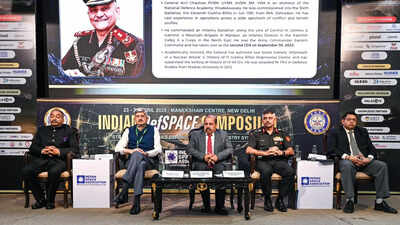
NEW DELHI: India’s regional navigation system NaVIC (Navigation with Indian Constellation system), costing upwards of over Rs 3,200 crore, is now hanging by a thread as the number of fully functional navigation satellites in space has dropped to three satellites. NavIC is designed to run effectively with a constellation of seven satellites, though a minimum of four satellites is required for accurate 3D position, navigation, and timing (PNT) services.With Isro failing to launch two navigation satellites (IRNSS-1H in 2017 and NVS-02 in 2025) in recent years due to different reasons like rocket failure, India’s regional system is facing a failure as the satellite numbers have dipped to three — IRNSS-1B, IRNSS-1L, and second-generation NVS-01 — below the minimum requirement of 4 satellites. A major setback occurred after the last atomic clock, which is the heart of a navigation satellite, on board navigation satellite IRNSS-1F stopped functioning on March 10, leaving only three satellites of India’s NaVIC constellation in function.Speaking at the DefSpace symposium here, former IAF chief ACM Rakesh Kumar Singh Bhadauria (Retd) said on Thursday, “NaVIC will be remembered more because of its failure and promises that were not delivered rather than anything. It is high time that NaVIC-type capabilities are redrawn completely”.Former Air Vice Marshal Dhananjay Khot, who is now principal consultant, implementation of decadal vision & strategy, in space regulator IN-SPACe, also told TOI during the DefSpace symposium, that NaVIC operating with three satellites is a big setback for security forces.Indian armed forces use the navigation satellite system for logistics, mapping and operational planning. Even missiles navigate based on a country’s navigation system. Relying on a foreign navigation satellite system could pose security issues, especially during wars.India had planned to develop its own navigation system when the US denied GPS data to the country at the peak of the Kargil war with Pakistan. With the first IRNSS satellite launch in 2013, India was able to have a seven-satellite constellation completed on April 28, 2016. However, with no replacement satellites launched, India’s navigation system needs urgent attention.Besides the US’s GPS, Russia operates GLONASS, Europe runs Galileo, and China operates the BeiDou Navigation Satellite System (BDS). These three systems, like GPS, provide global coverage with constellations of around 24–35 satellites in medium Earth orbit. China’s BeiDou has more than 30 operational satellites, while Europe’s Galileo offers high-precision civilian positioning services worldwide.


