
– NEW DELHI: In a bid to tackle growing obesity in India, the ICMR has launched a nationwide exercise to find out what actually works to reduce weight and related health risks, at a time when nearly one in four adults in the country is overweight or obese.The scale of the problem is becoming hard to ignore, with over 25% of India’s adult population facing excess weight, fuelling a surge in diabetes, high blood pressure and heart disease across both urban and rural areas.Despite years of research and a proliferation of diet plans, fitness regimes and awareness campaigns, there is still no clear, unified answer on which approach works best — or for whom. To bridge this gap, the Indian Council of Medical Research (ICMR) has invited researchers to contribute data from across studies for a large pooled analysis.The aim is to compare the effectiveness of different strategies — from diet and physical activity to behavioural and multi-component interventions — and understand how they perform across diverse population groups.The analysis will go beyond weight loss to track blood sugar, blood pressure and cholesterol levels, reflecting growing concern that obesity is closely linked to a wider cluster of lifestyle diseases.A key focus will be identifying why the same intervention works for some but not others, with researchers examining variations across age, gender, income levels and geography, including rural areas where obesity is rising alongside persistent undernutrition.Experts say the challenge is becoming more complex, with weight alone no longer a reliable marker of health risk. Increasingly, individuals with normal weight are showing metabolic disorders, while some with excess weight may not have immediate complications.The initiative is expected to generate India-specific evidence to guide future treatment guidelines and public health strategies, as policymakers grapple with a fast-growing health challenge cutting across age groups and regions.About the AuthorAnuja JaiswalAnuja Jaiswal is a Senior Assistant Editor at The Times of India, with an impressive 18-year career in narrative journalism. She specializes in health and heritage reporting, expertly simplifying complex health information to make it engaging and understandable for readers. Her deep dives into heritage topics are well-researched, resulting in captivating narratives that resonate with her audience. Over the years, she has worked in Chandigarh, Chhattisgarh and West UP, gaining diverse on-ground experience that shapes her storytelling.Read MoreEnd of ArticleFollow Us On Social MediaVideosIMF Says India Growing Twice As Fast As World Economy, Signals Strength Amid Global SlowdownIndia May Face Oil Supply Pressure As US Ends Russian Crude Waiver, Says Bessent’India In Talks With Many Countries Over Hormuz’: MEA Amid US’ Naval BlockadeTamil Nadu elections 2026: Freebies war heats up between DMK, AIADMK & rivals’Not Shehbaz Sharif’: Ex-Minister Fawad Chaudhry Calls Asim Munir ‘De Facto Leader Of Pakistan’TCS Row Explodes: Horrific Details Of Sexual Abuse, Conversion Claims Rock India’s CorporateWomen’s Reservation Bill A ‘Trick’ To Hike Lok Sabha Seats? | Delimitation | Slam Dunk With TehseenIndia Bloc Backs Women’s Reservation But Opposes Delimitation, Flags Risk Of Political Power Shift‘Completely Unacceptable’: Jaishankar Slams Attacks On Merchant Shipping At Azec Plus MeetWomen’s Quota Bill: Govt Clarifies 850-Seat Lok Sabha Plan, Opposition Flags Delimitation Concerns123PhotostoriesFrom marigold to chrysanthemum: 5 flowering plants that can help get rid of lizards at home5 simple things to look for while picking right muskmelon and 3 simple ways to enjoy it during summerTCS Nashik scandal deepens: NCW orders probe, multiple FIRs, staff on WFHChopping board to aluminium foil: 6 common kitchen items to throw out immediately and whyP. V. Sindhu’s elegant Hyderabad home combines minimalist interiors, family-centric spaces, and breathtaking hilltop viewsWhy visiting the Banaras ghats can change the way you see life and deathHard to believe but these are probably the 10 dirtiest spots in a hotel room8 ’90s baby names making a comeback with Gen AlphaChef Vikas Khanna makes it to 100 Most Influential People of 2026: 5 success lessons to learn from his culinary journeyFrom growing up in a conservative family to shooting her debut music video without informing them: Naagin 7’s Kanika Mann opens up about her journey123Hot PicksIran warDisney layoffsPurple cap winnerOrange cap winnerIPL Points TablePublic holidays April 2026Bank Holidays AprilTop TrendingTaylor Swift Wedding DressCanada Citizenship GarbaUK Migrant Gay ClaimsCBSE Class 12 ResultNirav ModiOmar Tricolour RowKargil Statehood DemandIPL Points TableIran crude oilMeenu Batra

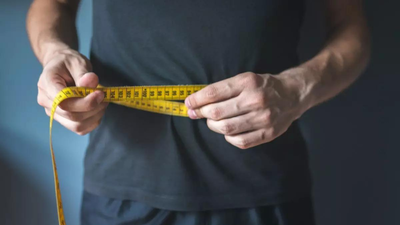
NEW DELHI: In a bid to tackle growing obesity in India, the ICMR has launched a nationwide exercise to find out what actually works to reduce weight and related health risks, at a time when nearly one in four adults in the country is overweight or obese.The scale of the problem is becoming hard to ignore, with over 25% of India’s adult population facing excess weight, fuelling a surge in diabetes, high blood pressure and heart disease across both urban and rural areas.Despite years of research and a proliferation of diet plans, fitness regimes and awareness campaigns, there is still no clear, unified answer on which approach works best — or for whom. To bridge this gap, the Indian Council of Medical Research (ICMR) has invited researchers to contribute data from across studies for a large pooled analysis.The aim is to compare the effectiveness of different strategies — from diet and physical activity to behavioural and multi-component interventions — and understand how they perform across diverse population groups.The analysis will go beyond weight loss to track blood sugar, blood pressure and cholesterol levels, reflecting growing concern that obesity is closely linked to a wider cluster of lifestyle diseases.A key focus will be identifying why the same intervention works for some but not others, with researchers examining variations across age, gender, income levels and geography, including rural areas where obesity is rising alongside persistent undernutrition.Experts say the challenge is becoming more complex, with weight alone no longer a reliable marker of health risk. Increasingly, individuals with normal weight are showing metabolic disorders, while some with excess weight may not have immediate complications.The initiative is expected to generate India-specific evidence to guide future treatment guidelines and public health strategies, as policymakers grapple with a fast-growing health challenge cutting across age groups and regions.


