
NEW DELHI: Centre Wednesday approved a hike in minimum support prices (MSP) of 14 kharif crops for the marketing season 2026-27, with the most-popular kharif crop paddy getting an increase of Rs 72 per quintal (3%) to reach Rs 2,441 per quintal.Highest absolute increase in MSP over the previous year has been recommended for sunflower seed (Rs 622 per quintal), followed by cotton (Rs 557 per quintal), niger seed (Rs 515 per quintal) and sesamum (Rs 500 per quintal), signalling farmers to primarily opt for oilseeds over other crops to reduce edible oil import bill.The expected margin to farmers over their cost of production is estimated to be highest in case of moong (61%), followed by bajra (56%), maize (56%) and tur/arhar (54%), in continuation with govt’s focus on crop diversification to bring pulses and millets to the forefront of farmers’ choice. In percentage as well as absolute terms, the hike in MSP of maize and moong figured at the bottom of the list.The hike, approved by the cabinet, will come into force from the marketing season beginning Oct 1. Kharif crops are sown during monsoon season (June-Sept) and harvested in Oct-Nov. Govt estimates the total payout to farmers at Rs 2.6 lakh crore, factoring in projected annual procurement at 824.4 lakh tonne.Union I&B minister Ashwini Vaishnaw said the new MSPs have been fixed to ensure remunerative prices for farmers and are at least 50% above the cost of production across all 14 crops — jowar, sunflower seed, cotton, soybean, ragi, tur/arhar, niger seed, urad, sesamum, bajra, groundnut, paddy, maize and moong. All-India weighted average cost of production includes costs such as hired labour, rent for leased land, expenses on seed, among others.About the AuthorVishwa MohanVishwa Mohan is Senior Editor at The Times of India. He writes on environment, climate change, agriculture, water resources and clean energy, tracking policy issues and climate diplomacy. He has been covering Parliament since 2003 to see how politics shaped up domestic policy and India’s position at global platform. Before switching over to explore sustainable development issues, Vishwa had covered internal security and investigative agencies for more than a decade.Read MoreEnd of ArticleFollow Us On Social MediaVideosVijay Targets NEET Again, Says Medical Admissions Should Depend On Class 12 MarksCongress Claims Assam FIR Row Is Linked To Questions Over Himanta Sarma Assets | WatchCBI Arrests Five In NEET-UG 2026 Paper Leak Case As Probe Expands Nationwide | WatchEx-Army Chief Naravane Backs People-To-People Ties To Improve India Pak RelationsAir India Cuts 29 International Routes As West Asia War Drives Up Fuel Costs And DisruptionsVijay Reverses Astrologer Appointment; PM Modi Orders Nearly 50% Convoy | Headlines@9EPS Removes Rebel Leaders Backing Vijay Government As AIADMK Internal Crisis DeepensPostmortem Reveals Massive Blood Clot In Lungs Caused Prateek Yadav’s Death | WatchHimanta Biswa Sarma Announces UCC Bill For Assam As State Moves Towards Uniform Civil LawNEET UG 2026 Cancellation Sparks Rajasthan Political Storm As BJP And Congress Clash Over Leak123Photostories10 soft celestial baby boy names inspired by the moonTara Sutaria’s Cannes debut look is giving ‘Breakfast at Tiffany’s’ vibe, but make it Bollywood editionTop US states with most lightning strikesAlia Bhatt stuns in an icy blue gown at Cannes 2026; fashion fans say, “Elsa who?”Inside 15 years of Prince William and Catherine, Princess of Wales’s most talked-about royal looksFigs are more powerful than you think: Here’s what happens when you eat them regularly and how to eat it properlyStop throwing away mango peel: 6 delicious ways to use them in your kitchen5 weird things people do in love and why, as per psychologyWhy these 5 vegetable DIY remedies are harmful for your skin8 Indian states where women can travel free on government buses; West Bengal becomes the latest to join the list123Hot PicksCBSE class 12 resultUS Iran warPrateek YadavHaryana election resultForeign outflowNEET exam cancelledTamil Nadu assemblyTop TrendingNashik AstrologerTamil Nadu NewsIPL Points TablePM Internship SchemeIPL Match TodayHimanta Biswa SarmaIPL Orange Cap 2026Aparna YadavAir India FlightsPrateek Yadav

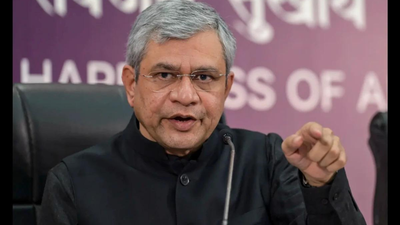
NEW DELHI: Centre Wednesday approved a hike in minimum support prices (MSP) of 14 kharif crops for the marketing season 2026-27, with the most-popular kharif crop paddy getting an increase of Rs 72 per quintal (3%) to reach Rs 2,441 per quintal.Highest absolute increase in MSP over the previous year has been recommended for sunflower seed (Rs 622 per quintal), followed by cotton (Rs 557 per quintal), niger seed (Rs 515 per quintal) and sesamum (Rs 500 per quintal), signalling farmers to primarily opt for oilseeds over other crops to reduce edible oil import bill.The expected margin to farmers over their cost of production is estimated to be highest in case of moong (61%), followed by bajra (56%), maize (56%) and tur/arhar (54%), in continuation with govt’s focus on crop diversification to bring pulses and millets to the forefront of farmers’ choice. In percentage as well as absolute terms, the hike in MSP of maize and moong figured at the bottom of the list.The hike, approved by the cabinet, will come into force from the marketing season beginning Oct 1. Kharif crops are sown during monsoon season (June-Sept) and harvested in Oct-Nov. Govt estimates the total payout to farmers at Rs 2.6 lakh crore, factoring in projected annual procurement at 824.4 lakh tonne.Union I&B minister Ashwini Vaishnaw said the new MSPs have been fixed to ensure remunerative prices for farmers and are at least 50% above the cost of production across all 14 crops — jowar, sunflower seed, cotton, soybean, ragi, tur/arhar, niger seed, urad, sesamum, bajra, groundnut, paddy, maize and moong. All-India weighted average cost of production includes costs such as hired labour, rent for leased land, expenses on seed, among others.


