
In 2026, divers in Lake Issyk-Kul followed a trail of ancient brickwork to a submerged city hidden for seven centuries

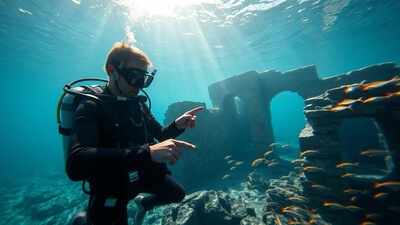
The “Pearl of Central Asia” is an aptly named lake located in the upper reaches of the Tien Shan range in Kyrgyzstan, so vast and deep that it has become known by this epithet. The lake, surrounded by snowcapped peaks, is so warm that it remains ice-free even during the winter months. Whispered legends speak of sunken palaces and entire civilisations drowned under the lake waters.As soon as 2026 began, it was time for the legendary site to face the full power of contemporary research. A team of underwater archaeologists ventured into exploring the northern part of the lake, and the discoveries seemed to bring to life an entire lost civilisation. Under layers of sediment and swirling waters lay the remains of a huge city structure – not some scattered buildings, but an entire city that sank into the lake around seven hundred years ago.The mystery of the submerged necropolisEven more fascinating was the discovery of a neighbourhood whose primary role had been that of a sacred cemetery site. According to the Russian Geographical Society, the researchers found a gigantic medieval cemetery. Its sculptures and inscriptions remain clearly visible despite so many years of being underwater. The cemetery itself features elaborate architecture characteristic of civilisations associated with the Silk Road.Divers moved cautiously, carefully removing layers of dirt that had built up over many years to reveal the structure that was created from rocks. According to the researchers, the place served as a hub for commercial and religious activity. The group found evidence of highly developed brick structures, showing a great deal of expertise in building construction. The people did not just live near the water’s edge but instead erected a robust, rock structure to last for many years to come.
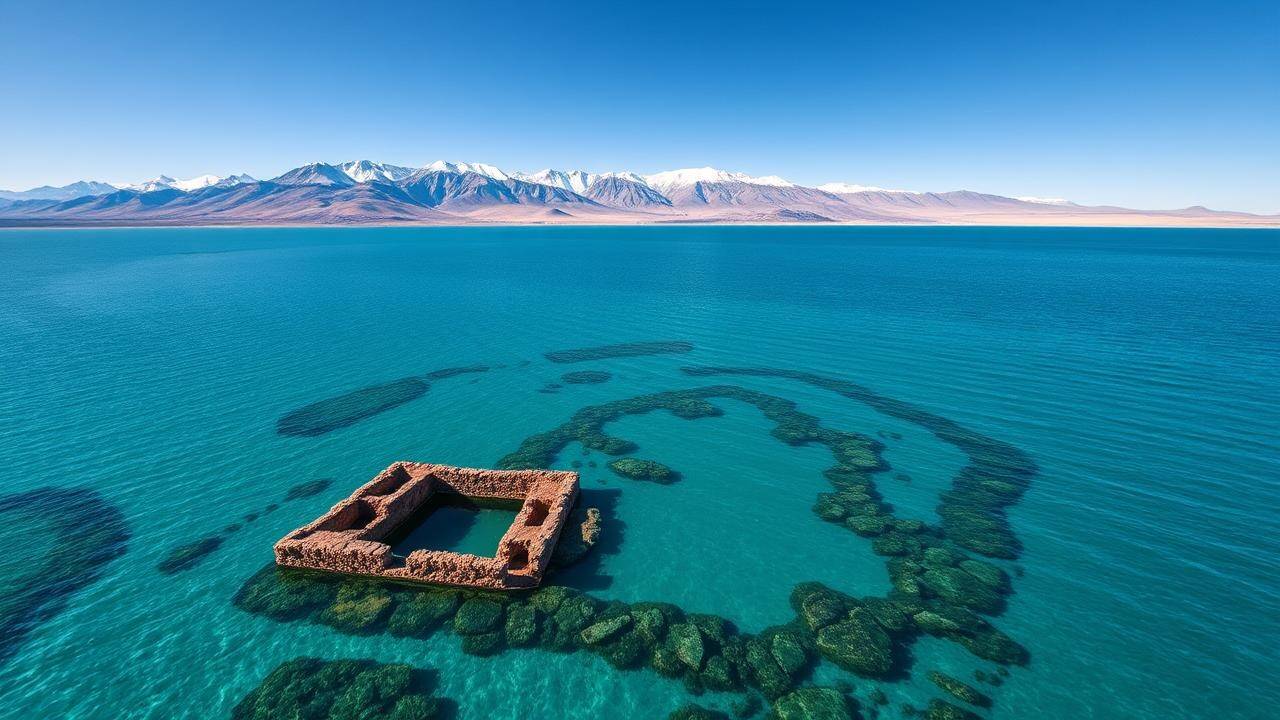
The city’s demise is attributed to rising sea levels and tremors, offering a stark reminder of nature’s power.
More than the remains of the ancient city itself, it is the reason for its disappearance that seems truly disquieting to researchers. It is believed that rising sea levels, coupled with tremors, probably collapsed the coast, causing the collapse of the city itself. A powerful reminder of how nature can quickly demolish anything man makes. For the scientists exploring the sunken ruins of the city, it’s like going back in time to witness how time forgot about their existence, preserving them in its silence, just beneath the lake.The cultural hub under the watersUnearthing the secrets of Issyk-Kul isn’t only about unearthing artefacts. It is rather important to understand the lives of people who lived near its banks. The city had reached its peak during the heyday of the Mongol Empire, being one of the main thoroughfares along which Asians and Europeans crossed the mountains. All found artefacts, including pottery and metal coins, show that this was a cultural hub of that era.The discovery has also turned the lake into a massive outdoor laboratory. Because the water is slightly salty and the temperature at the bottom is very stable, organic materials that would have rotted away on land have survived underwater. As highlighted by the researchers from the Russian Geographical Society, the preservation of the Muslim necropolis offers a rare look at the burial rites and social structures of the 13th and 14th centuries. It allows historians to piece together a story of a community that was both deeply spiritual and highly connected to the global economy of its time.The research on Lake Issyk-Kul is not completed yet. Every subsequent dive creates more questions about the number of ancient civilisations hidden in the waters and how many are left to be discovered. This research has led to renewed interest in underwater archaeology as water helps protect artefacts from the ravages of time. Lake Issyk-Kul no longer serves just as a source of leisure activities for its citizens. It now represents an open-air museum that keeps the memory of a disappeared civilisation alive.


