
In 1998, a beachgoer spotted an upside-down tree in the sand, uncovering the ancient ritual secrets of Seahenge

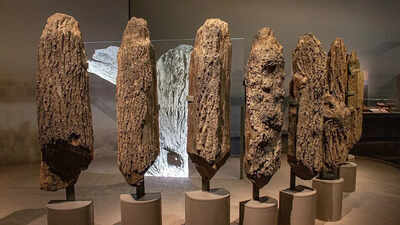
At the dawn of Holme-next-the-Sea in Norfolk, England, a strange phenomenon occurred during the sunrise. Someone walking on the beach noticed a strange figure making its way across the water, resembling an upside-down tree, its roots growing upwards and accompanied by a series of wooden posts arranged in a circular formation around it. However, this could not be a mere piece of driftwood or natural camouflage but a prehistoric monument called Seahenge, dating back to about 4,000 years ago.Its discovery shook the discipline of archaeology to its core. It was not just an archaeological accumulation of decayed wood but a carefully constructed circle of wood, Holme I. At the heart of this wooden circle is a large upside-down oak tree stump that was planted intentionally. Surrounding it are 55 oak trees placed in a tight configuration to form a perfect circle measuring around seven meters in diameter. The aura surrounding the area is mystifying, as though an ancient ritual has been interrupted and awaits revival with the arrival of the appropriate tide.Sacred circles emerging from the ever-changing landscapeSeahenge’s emergence was more than just an instance of luck. The article published in the GeoJournal highlights that these monuments might be a testament to an ancient people’s adaptation to changing tides. Based on the research, it appears that the monuments were erected at a location within a coastal marshland being inundated by the tides.According to archaeologists, the main uprooted tree served as a so-called “excarnation” platform where the corpses were exposed to the elements to be picked apart by birds to free their souls and take them to heaven. The process of cutting down huge oaks and transporting them to the marshland proves that this society was very organised. However, the very body of water which ultimately buried and preserved the timbers turned out to be the greatest threat, since after 1998, when the peat was removed, salt water and oxygen started eating away at the wood, making it a race against time that soon would fuel the country.
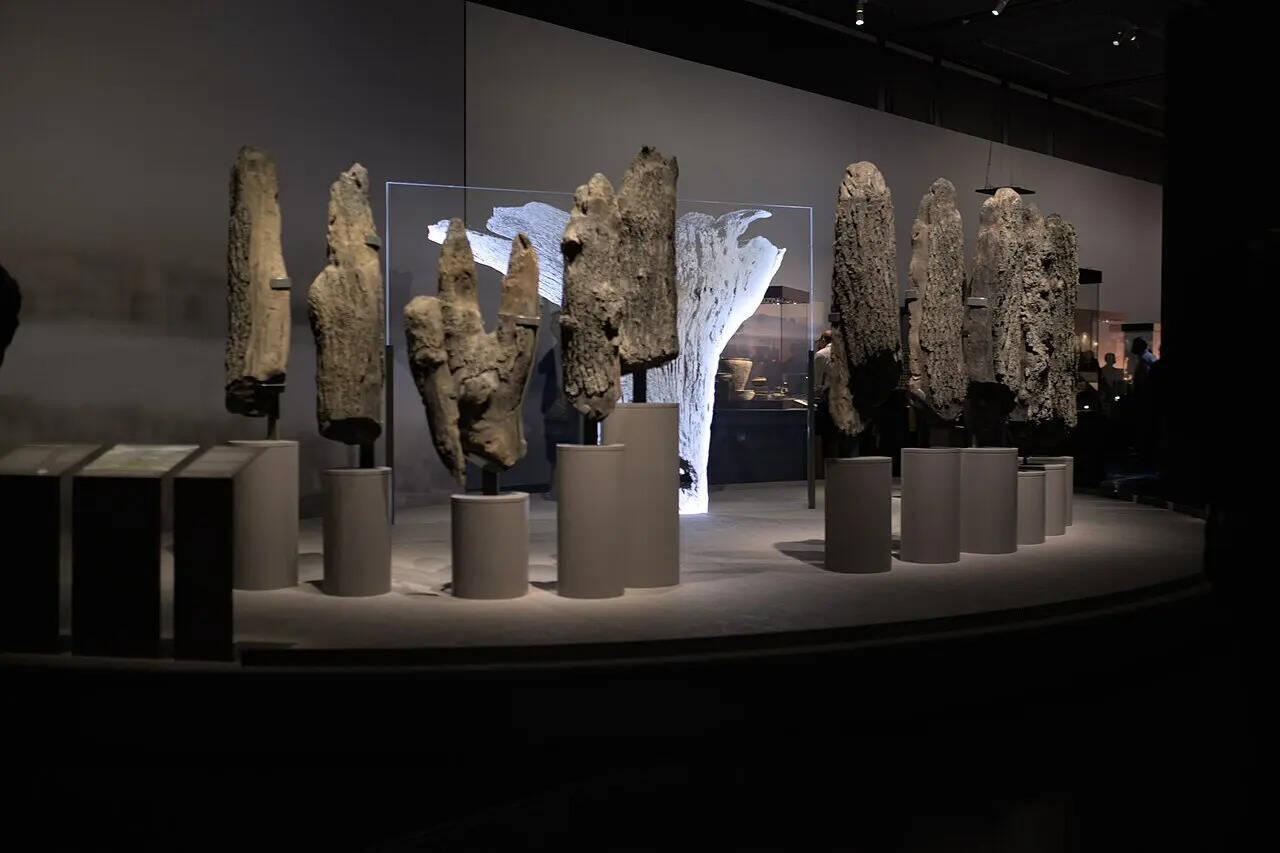
This carefully constructed circle of oak timbers, featuring an upside-down tree stump at its centre, was likely erected in a marshland and may have served as an ‘excarnation’ platform. Its excavation sparked a significant debate about heritage, balancing scientific preservation with spiritual reverence. Image Credits: via Wikimedia Commons
Timber protests of antiquity vs modern civilisationA decision was made to dig up the Seahenge and move the timbers to the museum, triggering arguably the most heated debate about heritage in Britain. Many considered it not just a historic find but a living, holy site. In the paper Archaeological excavations as sites of public protest in twentieth-century Britain, it is explained that there was great resentment among modern-day pagans, locals, and environmental activists toward the excavation and removal of timbers because of the damage done to a sacred site.The battle made everyone sit up to discuss who owned the past. The archaeologists were under pressure to remove the monument as soon as possible, as they were aware that without their efforts, within a matter of years, the waves of the North Sea would gradually erode the 4,000-year-old timbers. Ultimately, the timbers were moved, waxed, and stored in a controlled environment at the Lynn Museum. While the place no longer exists on the shore, the debate that ensued will continue to serve as a precedent in balancing science with spirituality.Today, however, Seahenge lives on as a powerful reminder of the unyielding nature of history. This is a prime example that demonstrates just how lasting anything can be if the planet itself chooses to preserve it. The simple act of taking an idle walk down a Norfolk beach led to our understanding of ancient ritualistic traditions and the deep connection we maintain with the Earth. There may very well be other worlds lying just below the surface of our favourite summer playgrounds.


