
In 1996, two students cooling off in a river found an ancient skull and sparked a 20-year battle over American history

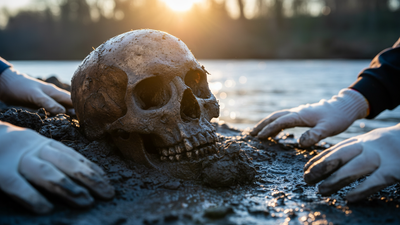
In the year 1996, two young college students, struggling with the intense heat of July on a Friday afternoon, walked along the Columbia River, searching for a location from which to watch a boat race taking place in Kennewick, Washington. While walking near the riverbank, one of the students felt an anomaly under his feet. He retrieved an object from under the water that appeared to be a human skull.Two young guys, believing themselves to have come across a scene of contemporary criminal activity, hurried to contact the police. First, the authorities thought it may have belonged to a pioneer of the 19th century. Finally, what revealed itself to be crucial in solving the mystery was a stone spearhead embedded in the individual’s pelvis bone, which demonstrated that this could hardly be classified as a relatively recent finding. The youths had discovered what became later called “The Ancient One” or Kennewick Man – one of the most ancient and well-preserved skeletons in North America.The DNA discovery that made a differenceFor almost twenty years after this discovery, a heated debate raged between scholars, the United States administration, and the indigenous peoples on the question of rights to interpret and analyse the evidence. At first glance, the skeleton appeared to have distinctively European features, but DNA proved otherwise.A study published in Nature titled The ancestry and affiliations of Kennewick Man put the debate to rest. Researchers employed state-of-the-art genome sequencing technology to compare the genome sequence of the skeleton with that of people alive today throughout the world. There is no doubt about it – this man, who died 9,000 years ago, is more genetically related to the current-day Native Americans than anyone else.
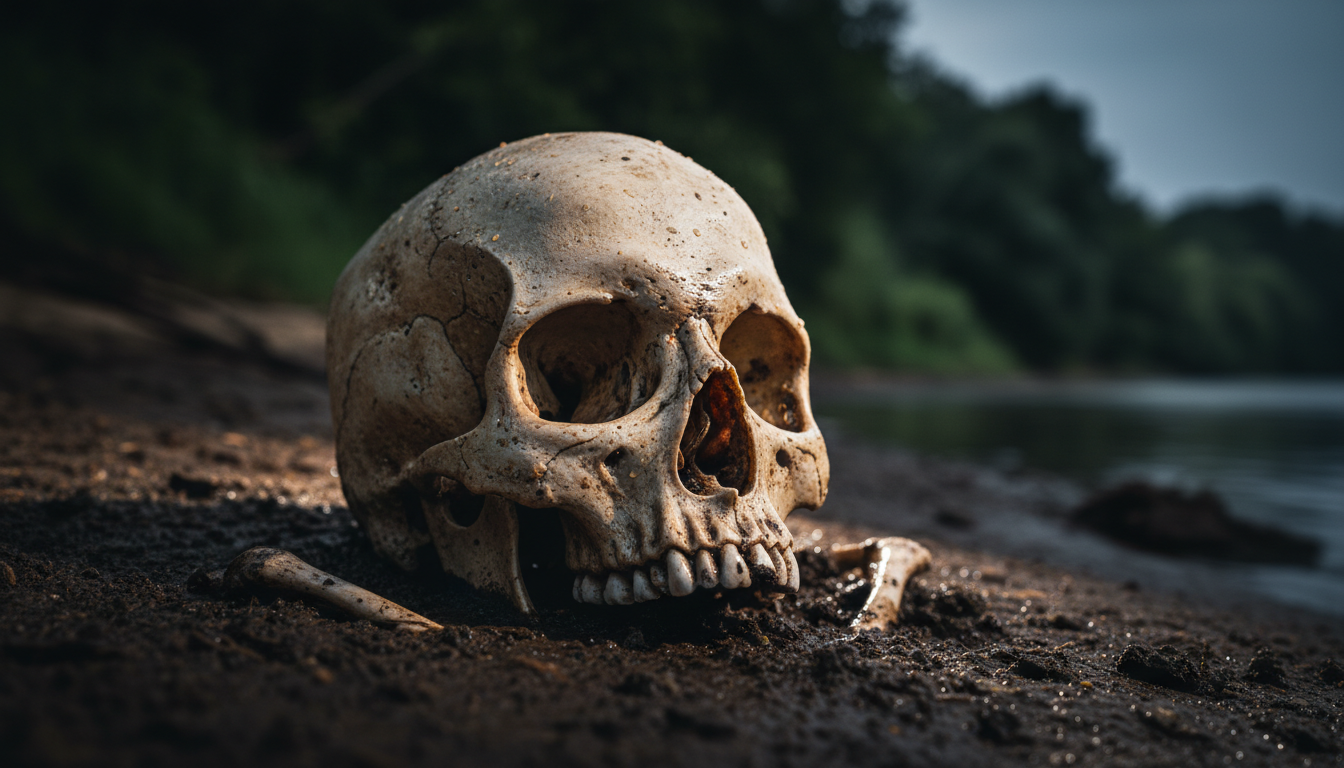
This discovery revolutionized archaeology, emphasizing respect for indigenous sovereignty and memory, culminating in the skeleton’s return to tribal descendants for a traditional burial. Representative Image (Image Credits: Google Gemini)
The implications of the study were massive. It transformed an argument into something tangible. Researchers learned an invaluable lesson regarding the importance of ancient DNA as a means of solving issues which surface analysis cannot. For the rest of the world, it was a reminder that America’s history goes much further back and is far more connected to the continent’s indigenous people than anyone realised.Journey to a distant past and the future of archaeologyThe fate of the Kennewick Man did not conclude in the laboratory setting. When his remains were found on U.S. Army Corps of Engineers land, it sparked a NAGPRA legal battle, the Native American Graves Protection and Repatriation Act. The verdict forced museums all across America to reconsider how they deal with ancestral remains.According to an official report from the U.S. Army Corps of Engineers titled U.S. Army Corps of Engineers conducts final transfer of Kennewick Man remains, the long journey finally reached its conclusion in early 2017. After decades of legal disputes and scientific testing, the remains were officially returned to a coalition of Columbia Basin tribes. In a private ceremony, the tribes finally gave their ancestor the traditional burial they had been fighting for since those two students first stepped into the river.This accidental discovery of the two students looking for ways to cool themselves off ended up completely revolutionising the entire practice of American archaeology. This is because it made archaeology move from just being about excavations and towards becoming a practice that respects sovereignty and memory. This shows us how one single unanticipated event could end up making a country question itself.The location where the students found the skull today is a peaceful riverside, but the significance of that afternoon remains alive. We see from this story that the most significant discoveries we make in life are usually those we never intended to make. It was a discovery made when they fell into the water that led to setting a new benchmark of honouring the past.


