
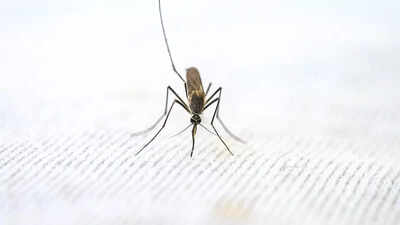
File photo NEW DELHI: The World Health Organization has cleared, for the first time, a malaria treatment made specifically for newborns and young infants—closing a gap doctors have struggled with for years.The drug is a child-friendly version of artemether-lumefantrine—a two-drug therapy in which one component acts quickly to reduce parasites in the blood, while the other stays longer to clear the rest and prevent the illness from returning. It is designed for babies weighing between 2 and 5 kg. Until now, infants with malaria were treated using medicines meant for older children, often requiring dose adjustments that could lead to mistakes, side effects or even harm.The WHO prequalification clears the way for countries and global agencies to procure the medicine for public health programmes, expanding access to a quality-assured treatment for one of the most vulnerable groups. While the immediate impact is expected in high-burden regions such as Africa, the approval also opens the door for countries like India to adopt the formulation through national programmes if needed.“The announcements come as the world marks World Malaria Day today,” the WHO said, underscoring both urgency and opportunity in the fight against the disease.“For centuries, malaria has stolen children from their parents,” said Tedros Adhanom Ghebreyesus, adding that new tools are helping turn the tide—but only if countries continue to invest in the fight.In parallel, WHO has also cleared three new rapid tests to improve malaria diagnosis. Current tests detect a protein called HRP2, but in many regions the parasite has evolved to evade detection—leading to missed cases, with studies from 46 countries showing gaps, including up to 80% under-detection in parts of the Horn of Africa.The new tests target a different marker, pf-LDH, which is more reliable. WHO has advised countries to switch if older tests miss more than 5% of cases—a recommendation that could become relevant for India if similar trends emerge.Globally, malaria remains a challenge, with an estimated 282 million cases and 610,000 deaths in 2024. While India has seen a sharp decline in cases over the past decade, the disease persists in some regions.Despite setbacks, progress has been significant: since 2000, about 2.3 billion infections have been prevented and 14 million lives saved, with vaccines and next-generation mosquito nets strengthening control efforts.About the AuthorAnuja JaiswalAnuja Jaiswal is a Senior Assistant Editor at The Times of India, with an impressive 18-year career in narrative journalism. She specializes in health and heritage reporting, expertly simplifying complex health information to make it engaging and understandable for readers. Her deep dives into heritage topics are well-researched, resulting in captivating narratives that resonate with her audience. Over the years, she has worked in Chandigarh, Chhattisgarh and West UP, gaining diverse on-ground experience that shapes her storytelling.Read MoreEnd of ArticleFollow Us On Social MediaVideosAAP Seeks Disqualification Of 7 Rajya Sabha MPs Who Joined BJP, Legal Battle On Anti-Defection LawNSA Ajit Doval Meets UAE President In Abu Dhabi, Holds Talks On West Asia, Energy SecurityIndia Uzbekistan Forces Complete Dustlik 2026 With Seamless Joint Mission ValidationBJP MP Ravi Kishan Alleges ‘Politics of Fear’ in WB, Claims Voters Rising Against Violence & ThreatsDRDO Unveils Next-Gen Armoured Platforms Designed For Multi-Terrain Combat And Rapid DeploymentRahul Gandhi Reacts to Cong Worker Killing in WB, Seeks Strict Action and JusticeEngine Failure Forces Emergency Evacuation of Swiss Delhi-Zurich Flight; Six InjuredManipur Govt Addresses COCOMI Demands After Protesters Clash With Police During March To CM’S HousePM Modi Condemns Shooting Near White House Dinner, Says ‘Violence Has No Place’Strait of Hormuz to US Elections: Ex-CJI Maps Shockwave of Global Interconnection123PhotostoriesUTI symptoms you shouldn’t ignore: How a simple infection can lead to kidney damage5 moments when you should never scold your child (and what to do instead)6 Indian foods that were shaped by the Mughal eraAncient Indian wisdom in modern life: Lessons from the Bhagavad GitaPuffy eyes that won’t go away? Why it could signal kidney trouble, and when to get tested8 surprising benefits of drinking lassi regularly in summersFrom not wanting to marry outside her religion to facing mistreatment by senior actors on TV sets: Reem Shaikh gets candidBengaluru–Mumbai Vande Bharat Sleeper To Hit Tracks From August 1: All You Need To Know7 yoga poses that people with high BP can do safelyHeatwave sweeps cities: What to expect ahead?123Hot PicksTamil Nadu ElectionWest Bengal voter turnoutAssembly Election 2026Mamata BanerjeeTamil Nadu voter turnoutAmit ShahPM ModiTop TrendingRaghav Chadha Joins BJPTamil Nadu electionAP SSC Class 10 resultsRRB opens qualificationAIIMS B.Sc. coursesJac Class 12 ResultPatrick MahomesBengal PollsNirmala SitharamanIPL Orange Cap

NEW DELHI: The World Health Organization has cleared, for the first time, a malaria treatment made specifically for newborns and young infants—closing a gap doctors have struggled with for years.The drug is a child-friendly version of artemether-lumefantrine—a two-drug therapy in which one component acts quickly to reduce parasites in the blood, while the other stays longer to clear the rest and prevent the illness from returning. It is designed for babies weighing between 2 and 5 kg. Until now, infants with malaria were treated using medicines meant for older children, often requiring dose adjustments that could lead to mistakes, side effects or even harm.The WHO prequalification clears the way for countries and global agencies to procure the medicine for public health programmes, expanding access to a quality-assured treatment for one of the most vulnerable groups. While the immediate impact is expected in high-burden regions such as Africa, the approval also opens the door for countries like India to adopt the formulation through national programmes if needed.“The announcements come as the world marks World Malaria Day today,” the WHO said, underscoring both urgency and opportunity in the fight against the disease.“For centuries, malaria has stolen children from their parents,” said Tedros Adhanom Ghebreyesus, adding that new tools are helping turn the tide—but only if countries continue to invest in the fight.In parallel, WHO has also cleared three new rapid tests to improve malaria diagnosis. Current tests detect a protein called HRP2, but in many regions the parasite has evolved to evade detection—leading to missed cases, with studies from 46 countries showing gaps, including up to 80% under-detection in parts of the Horn of Africa.The new tests target a different marker, pf-LDH, which is more reliable. WHO has advised countries to switch if older tests miss more than 5% of cases—a recommendation that could become relevant for India if similar trends emerge.Globally, malaria remains a challenge, with an estimated 282 million cases and 610,000 deaths in 2024. While India has seen a sharp decline in cases over the past decade, the disease persists in some regions.Despite setbacks, progress has been significant: since 2000, about 2.3 billion infections have been prevented and 14 million lives saved, with vaccines and next-generation mosquito nets strengthening control efforts.


