
File photo NEW DELHI: The Supreme Court has issued sweeping pan-India directions to improve road safety, including a ban on parking of heavy and commercial vehicles on national highways, warning that expressways must not turn into “corridors of peril” due to administrative lapses or infrastructure gaps.A bench of Justices J K Maheshwari and Atul S Chandurkar noted that national highways make up just 2% of India’s road network but account for nearly 30% of road fatalities. The court stressed that even a single avoidable death reflects a failure of the State.“The loss of even a single life to avoidable hazards like illegal parking or blackspots etc., represents a failure of the State’s protective umbrella,” the court said in its order of April 13, linking road safety directly to the Right to Life under Article 21.”The ‘Right to Life’ enshrined under Article 21 of the Constitution of India is not merely a guarantee against the unlawful taking of life, but a positive mandate upon the State to ensure a safe environment where human life is preserved and valued”, the court added.Ban on highway parking, strict enforcement orderedThe court directed that no heavy or commercial vehicle shall stop or park on any national highway carriageway or paved shoulder except at designated bays or lay-bys. Enforcement will be carried out through Advanced Traffic Management Systems (ATMS), GPS-based photographic evidence, and eChallan mechanisms.Authorities, including the ministry of road transport and highways, National Highways Authority of India, state police and transport departments have been asked to ensure compliance within 60 days. District magistrates will set up standard operating procedures for inspections and patrolling.Crackdown on illegal structures, new approvals restrictedIn a major step, the court ordered an immediate ban on construction or operation of new dhabas or commercial structures within highway right of way. Existing unauthorised structures must be removed within 60 days.It also directed that no licence or approval be granted for establishments within highway safety zones without clearance from NHAI or PWD, and all existing licences must be reviewed within 30 days.Task forces, monitoring and blackspot fixesThe bench mandated the creation of district-level highway safety task forces within 15 days, comprising officials from administration, police, NHAI and local bodies. It also called for improved surveillance, lighting of accident-prone “blackspots”, and development of truck lay-bys and emergency systems.The directions came in a suo motu case following accidents in Rajasthan and Telangana in November 2025 that killed 34 people, highlighting systemic negligence. The court has asked the Centre to file a compliance report within 75 days and posted the matter for further hearing after two months.About the AuthorTOI News DeskThe TOI News Desk comprises a dedicated and tireless team of journalists who operate around the clock to deliver the most current and comprehensive news and updates to the readers of The Times of India worldwide. With an unwavering commitment to excellence in journalism, our team is at the forefront of gathering, verifying, and presenting breaking news, in-depth analysis, and insightful reports on a wide range of topics. The TOI News Desk is your trusted source for staying informed and connected to the ever-evolving global landscape, ensuring that our readers are equipped with the latest developments that matter most.”Read MoreEnd of ArticleFollow Us On Social MediaVideosWhat We Know About Indian Ships Hit In Hormuz Strait By Iran Gunboats And Unknown ProjectilePakistan Clears $2Bn UAE Debt As Saudi Extends $3Bn Deposit TermPakistan Army Chief Asim Munir Under US Scanner, Flagged As Risk For Trump Team’Our Relationship Very Strong’: Iran’s Abdul Majid On Hormuz Firing Incident On Indian VesselsCong, TMC, DMK Guilty’, PM Modi Blasts Oppn For Blocking Women Reservation BillIndia Summons Iran Envoy Summoned After Ships Targeted In Strait of Hormuz | WatchWomen’s Reservation Amendment Fails In Lok Sabha, Delimitation Bill Put On HoldYogi Adityanath Alleges ‘Identity Crisis’ In Bengal, Targets TMC Over GovernanceBJP Leaders Protest Outside Rahul’s Residence Over Women Quota Bill; Hema Malini, Bansuri Lead10th Indian Vessel Crosses Strait Of Hormuz Since Conflict Began123Photostories‘Bigg Boss Marathi Season 6’: From Raqesh Bapat-Vishal Kotian’s ugly clash to Rakhi Sawant’s fiery face-offs, moments that defined the season10 subtle habits that are destroying your marriageInside Anil Kumble’s crores worth Bangalore villa: A thoughtfully designed abode with lush gardens, sunlit interiors and family livingWhy whale vomit is worth millions for humans150-km road network, 46km of flyovers, underpasses: Delhi plans major push to ease traffic congestionSandra Bullock’s best movies to watch on OTT: ‘Speed’, ‘Bird Box’ and moreDhurandhar actor Ranveer Singh loves this spread innovated in the 1940s: Here are 6 ways you can enjoy it too7 key factors that define a ‘posh’ locality in the real estate marketStrong baby names inspired by the Sun8 refreshing fruits to eat this summer for a flatter belly123Hot PicksIran warDelimitation Bill DefeatPurple cap winnerOrange cap winnerIPL Points TablePublic holidays April 2026Bank Holidays AprilTop TrendingIPL Orange Cap 2026VijayPM Modi LiveWorld Largest EconomySue BirdIce SpicePahalgam Pony Wallah StoryWomen Quota BillE Coli Smuggling CaseErika Kirk Event

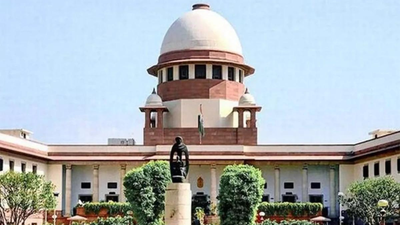
NEW DELHI: The Supreme Court has issued sweeping pan-India directions to improve road safety, including a ban on parking of heavy and commercial vehicles on national highways, warning that expressways must not turn into “corridors of peril” due to administrative lapses or infrastructure gaps.A bench of Justices J K Maheshwari and Atul S Chandurkar noted that national highways make up just 2% of India’s road network but account for nearly 30% of road fatalities. The court stressed that even a single avoidable death reflects a failure of the State.“The loss of even a single life to avoidable hazards like illegal parking or blackspots etc., represents a failure of the State’s protective umbrella,” the court said in its order of April 13, linking road safety directly to the Right to Life under Article 21.“The ‘Right to Life’ enshrined under Article 21 of the Constitution of India is not merely a guarantee against the unlawful taking of life, but a positive mandate upon the State to ensure a safe environment where human life is preserved and valued”, the court added.
Ban on highway parking, strict enforcement ordered
The court directed that no heavy or commercial vehicle shall stop or park on any national highway carriageway or paved shoulder except at designated bays or lay-bys. Enforcement will be carried out through Advanced Traffic Management Systems (ATMS), GPS-based photographic evidence, and eChallan mechanisms.Authorities, including the ministry of road transport and highways, National Highways Authority of India, state police and transport departments have been asked to ensure compliance within 60 days. District magistrates will set up standard operating procedures for inspections and patrolling.
Crackdown on illegal structures, new approvals restricted
In a major step, the court ordered an immediate ban on construction or operation of new dhabas or commercial structures within highway right of way. Existing unauthorised structures must be removed within 60 days.It also directed that no licence or approval be granted for establishments within highway safety zones without clearance from NHAI or PWD, and all existing licences must be reviewed within 30 days.
Task forces, monitoring and blackspot fixes
The bench mandated the creation of district-level highway safety task forces within 15 days, comprising officials from administration, police, NHAI and local bodies. It also called for improved surveillance, lighting of accident-prone “blackspots”, and development of truck lay-bys and emergency systems.The directions came in a suo motu case following accidents in Rajasthan and Telangana in November 2025 that killed 34 people, highlighting systemic negligence. The court has asked the Centre to file a compliance report within 75 days and posted the matter for further hearing after two months.


