
Currently, most instruments used in India for air pollution monitoring are imported NEW DELHI: Taking in what it called an important step towards environmental governance and reducing dependence on foreign certification systems, India has set up the world’s second National Environmental Standard Laboratory (NESL) here at the CSIR-National Physical Laboratory (NPL) that will develop testing and calibration facilities for air pollution monitoring equipment in the country.Currently, most of the instruments used in India for air pollution monitoring are imported. These imported instruments, however, come with production certification from international agencies based on the environmental conditions of the certificate issuing countries in Europe or the US.Since environmental conditions of those countries are very different from the conditions prevalent in India, it affects the quality of measurements by the instrument operating for a long time in Indian conditions, CSIR-NPL scientists explained. At present, only the UK has such a laboratory.The NESL, inaugurated by Union science & technology minister Jitendra Singh on 80th Foundation Day celebrations of CSIR-NPL – the apex institution for metrology and custodian of India’s national standards – Monday, will now not only deal with the anomaly arising out of different environmental conditions but also help in manufacturing of standardised monitoring equipment.The difference in temperature, humidity, pollution mix and high dust load due to difference in environmental or weather conditions of certifying countries often affected the long-term reliability and transparency of the data generated in India.The NESL will, however, allow manufacturers, industries, and municipal agencies to validate performance within the country, ensuring credible data for the National Clean Air Programme (NCAP), industrial emission audits, and smart-city monitoring networks.About the AuthorVishwa MohanVishwa Mohan is Senior Editor at The Times of India. He writes on environment, climate change, agriculture, water resources and clean energy, tracking policy issues and climate diplomacy. He has been covering Parliament since 2003 to see how politics shaped up domestic policy and India’s position at global platform. Before switching over to explore sustainable development issues, Vishwa had covered internal security and investigative agencies for more than a decade.Read MoreEnd of ArticleFollow Us On Social MediaVideosBJP Targets Mamata Banerjee Over ED Raid At I-PAC, Alleges Evidence TamperingFrom Op Sindoor To Venezuela: How Chinese Air Defence And Radar Systems Continue To Fail NationsDipu Das Lynching: Bangladesh Police Arrest Man Who Incited Mob As Attacks Against Hindus ContinueFrance Ditches Global South, Collective West As Jaishankar Warns Europe Of Changing World Order’Naughty, Nasty HM’: Mamata Slams Amit Shah After ED Raids TMC Leader Amid SIR RowPM Modi Launches ‘Somnath Swabhiman Parv’, Recalls Centuries-Old Resolve Behind Temple’s Revival“US Using Tariffs To Pressure India” Sareen Slams Trump Over Russia Sanction BillDonald Trump Pulls US Out Of India-Led Solar Alliance In Sweeping Exit From 66 Global AgenciesNew CCTV Footage Raises Questions Over Planning Behind Turkman Gate Clashes During Midnight DriveMinor Shooter Accuses National Coach Of Sexual Assault, NRAI Suspends Him Pending Police Inquiry123PhotostoriesFarhan Akhtar’s social media moments with wife and kids10 smart and comforting sooji dishes to enjoy for breakfastExclusive: Viraj Bahl on the public admiration he’s been getting due to Shark Tank India; says ‘I still feel embarrassed when people ask me for selfies’‘Toxic’: Kiara Advani, Nayanthara to Rukmini Vasanth: Meet the leading ladies of Yash’s highly anticipated comeback filmHow to make comforting Gajar Matar Ki Sabzi at home10 most democratic countries in the world12 banana desserts enjoyed around the world’The Office’ to ‘Modern Family’: Best sitcoms to watch on PeacockCute Indian pet names for babies born in January 2026Mrunal Thakur to Shraddha Kapoor: 5 times Bollywood actresses stole the show in Paithani sarees123Hot PicksMinneapolis Woman ShootMaharashtra civic pollsGold rate todayUAE citizenshipCigarette price hikePublic holidays January 2026Bank Holidays JanuaryTop TrendingHaydn Fleury Net WorthTommy Fleetwood and Clare Fleetwood Net WorthTravis KelceUS Strike VenezuelaTilak VarmaMaharashtra Civic PollsAnkush BhardwajGratuity calculationDelhi Demolition MosqueCandace Owens
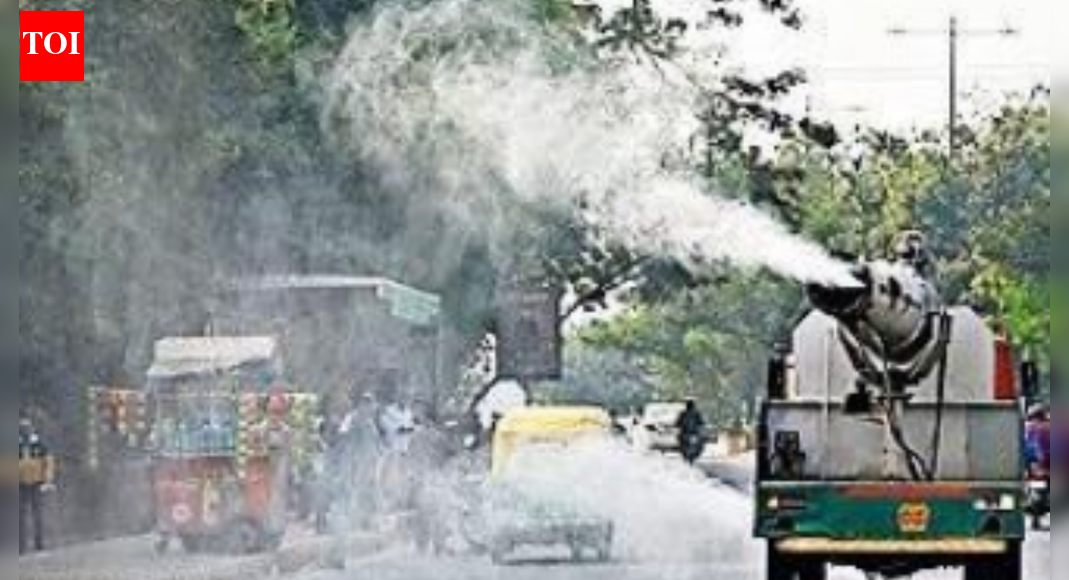
Currently, most instruments used in India for air pollution monitoring are imported
NEW DELHI: Taking in what it called an important step towards environmental governance and reducing dependence on foreign certification systems, India has set up the world’s second National Environmental Standard Laboratory (NESL) here at the CSIR-National Physical Laboratory (NPL) that will develop testing and calibration facilities for air pollution monitoring equipment in the country.Currently, most of the instruments used in India for air pollution monitoring are imported. These imported instruments, however, come with production certification from international agencies based on the environmental conditions of the certificate issuing countries in Europe or the US.Since environmental conditions of those countries are very different from the conditions prevalent in India, it affects the quality of measurements by the instrument operating for a long time in Indian conditions, CSIR-NPL scientists explained. At present, only the UK has such a laboratory.The NESL, inaugurated by Union science & technology minister Jitendra Singh on 80th Foundation Day celebrations of CSIR-NPL – the apex institution for metrology and custodian of India’s national standards – Monday, will now not only deal with the anomaly arising out of different environmental conditions but also help in manufacturing of standardised monitoring equipment.The difference in temperature, humidity, pollution mix and high dust load due to difference in environmental or weather conditions of certifying countries often affected the long-term reliability and transparency of the data generated in India.The NESL will, however, allow manufacturers, industries, and municipal agencies to validate performance within the country, ensuring credible data for the National Clean Air Programme (NCAP), industrial emission audits, and smart-city monitoring networks.


