
China is pressing ahead with a massive hydropower project on the Yarlung Tsangpo river in Tibet, a move that experts and Indian officials warn could seriously endanger water security, ecology and livelihoods downstream in India.As the river enters India as the Brahmaputra, any large-scale intervention upstream is seen as a direct risk to millions who depend on its natural flow. The proposed $168bn hydropower system will harness a steep 2,000 metre drop in altitude through an intricate network of dams, reservoirs, tunnels and underground power stations.India Speeds Up Visas For Chinese Businesses Amid Thaw In Ties; Beijing Calls It ‘Positive Move’For India, the concern is not just environmental but existential. Arunachal Pradesh chief minister Pema Khandu has warned that the project could be used as a “water bomb”, with China potentially controlling the timing and volume of water released into the Brahmaputra. Sudden discharges could trigger floods, while withholding water could dry out large stretches of the river during critical periods.Although much of the Brahmaputra’s water comes from monsoon rains and tributaries within India, experts say upstream manipulation can still disturb the river’s natural rhythm. Even limited changes could affect fertile floodplains, fisheries and groundwater recharge across Assam and Arunachal Pradesh, regions already vulnerable to climate stress.China has dismissed these concerns, as the Chinese foreign ministry has insisted that downstream countries will not be adversely affected. However, scepticism remains strong in India, partly shaped by China’s track record on other transboundary rivers.The technical scale of the project has also heightened fears. Brian Eyler, director of the Energy, Water and Sustainability Program at the Stimson Center in Washington, has described it as the most sophisticated hydropower system ever attempted, but also one of the riskiest.Any failure or miscalculation in such a seismically sensitive and ecologically fragile region could have cascading consequences downstream.Beijing’s management of the Mekong River has drawn repeated criticism from downstream nations, which accuse Chinese dam operators of worsening droughts by regulating water flow to suit power generation needs. While China denies these allegations, they have reinforced Indian fears about a similar approach on the Brahmaputra.The upstream developments have prompted India’s largest state-run hydropower company to push ahead with its own 11,200-megawatt project on the Brahmaputra, a move driven partly by fears of losing strategic and water security ground.Experts warn that competing mega projects on the same river system could worsen risks for both countries. Without cooperation and transparency, analysts caution, a dam-building race between India and China could undermine regional stability and place the future of the Brahmaputra and the millions who rely on it in jeopardy.About the AuthorTOI News DeskThe TOI News Desk comprises a dedicated and tireless team of journalists who operate around the clock to deliver the most current and comprehensive news and updates to the readers of The Times of India worldwide. With an unwavering commitment to excellence in journalism, our team is at the forefront of gathering, verifying, and presenting breaking news, in-depth analysis, and insightful reports on a wide range of topics. The TOI News Desk is your trusted source for staying informed and connected to the ever-evolving global landscape, ensuring that our readers are equipped with the latest developments that matter most.”Read MoreEnd of ArticleFollow Us On Social MediaVideos“SHANTI Is A Cruel irony”: Tharoor Tears Into Modi Govt Over Nuclear Bill’Vande Mataram’ Chants Echo As Indian Diaspora Welcomes PM Modi In Oman’India-Oman FTA To Open Major Opportunities Across Key Sectors’: Commerce Minister Piyush GoyalBangladesh Leader’s Seven Sisters Remark Triggers Diplomatic Row, India Summons Envoy Issues WarningBusiness Leaders See Major Growth Potential In India-Oman Ties As PM Modi Visits Muscat‘Might Never See Him Again’: Imran Khan’s Sons Claim ‘Psychological Torture’ In Pak’s Adiala JailDelhi Pollution: China Shares Playbook On How To Fix Air Quality Amid Politics Over AccountabilityExplained: The ₹30 Crore Film Deal That Led To Bollywood Director Vikram Bhatt And His Wife’s ArrestIndia Strengthens Maritime Dominance As Second MH-60R Squadron Joins Indian Navy At INS HansaViksit Bharat Shiksha Adhishthan Bill Explained: Education Reform Or A Quiet Erosion Of Federalism123PhotostoriesNine Life Lessons You Can Learn From Lord Hanuman According To Your Birth DateBaby names for girls born on Thursday7 kitchen spices to help manage PCOS naturallyShah Rukh Khan, Ranbir Kapoor, Alia Bhatt, Deepika Padukone: Bollywood’s A-listers who had no theatrical release in 20257 aesthetically pleasing plants perfect for hanging baskets in balcony gardenRulers of the lizard world: 5 lizards that dominate the wild5 trending bracelet designs for Indian bridesRecurring acidity: When simple gas becomes chronic GERD and damages your food pipe9 things to keep at home to clear energy and attract positivity in 2026Rob Reiner, Zubeen Garg, Matthew Perry: Mysterious celebrity deaths that sparked murder investigations123Hot PicksBomb Threat AhmedabadPark Medi World sharesPunjab election result 2025Gold rate todaySilver rate todayPublic Holidays DecemberBank Holidays DecemberTop TrendingKyrie IrvingBrian SmithSarfaraz KhanThe UndertakerPatrick Mahomes InjuryTravis KelceChris PaulEthan McLeodStephen Curry NBA ContractNBA Cup Banner
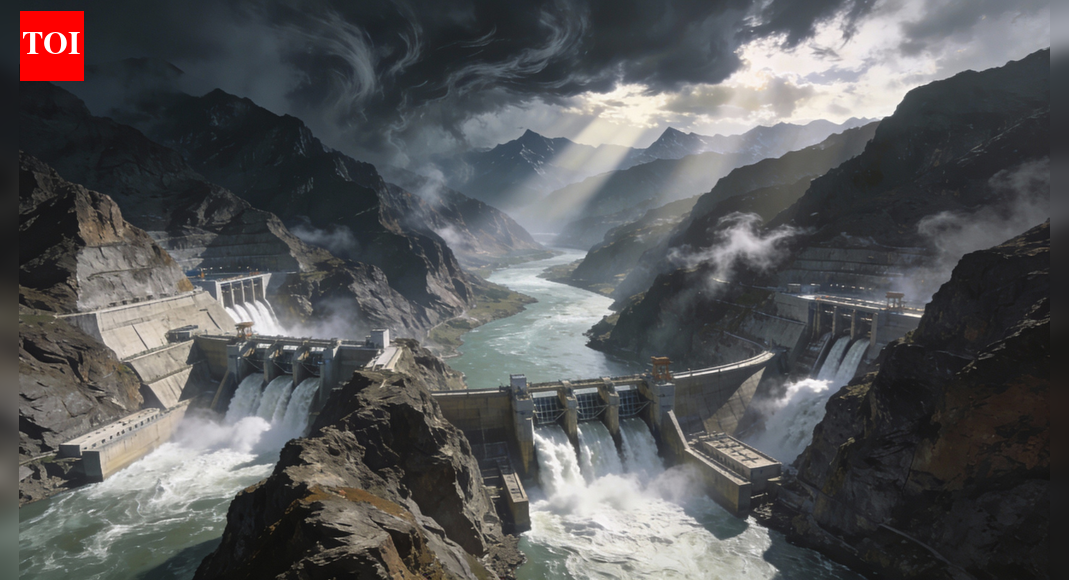
China is pressing ahead with a massive hydropower project on the Yarlung Tsangpo river in Tibet, a move that experts and Indian officials warn could seriously endanger water security, ecology and livelihoods downstream in India.As the river enters India as the Brahmaputra, any large-scale intervention upstream is seen as a direct risk to millions who depend on its natural flow. The proposed $168bn hydropower system will harness a steep 2,000 metre drop in altitude through an intricate network of dams, reservoirs, tunnels and underground power stations.
For India, the concern is not just environmental but existential. Arunachal Pradesh chief minister Pema Khandu has warned that the project could be used as a “water bomb”, with China potentially controlling the timing and volume of water released into the Brahmaputra. Sudden discharges could trigger floods, while withholding water could dry out large stretches of the river during critical periods.Although much of the Brahmaputra’s water comes from monsoon rains and tributaries within India, experts say upstream manipulation can still disturb the river’s natural rhythm. Even limited changes could affect fertile floodplains, fisheries and groundwater recharge across Assam and Arunachal Pradesh, regions already vulnerable to climate stress.China has dismissed these concerns, as the Chinese foreign ministry has insisted that downstream countries will not be adversely affected. However, scepticism remains strong in India, partly shaped by China’s track record on other transboundary rivers.The technical scale of the project has also heightened fears. Brian Eyler, director of the Energy, Water and Sustainability Program at the Stimson Center in Washington, has described it as the most sophisticated hydropower system ever attempted, but also one of the riskiest.Any failure or miscalculation in such a seismically sensitive and ecologically fragile region could have cascading consequences downstream.Beijing’s management of the Mekong River has drawn repeated criticism from downstream nations, which accuse Chinese dam operators of worsening droughts by regulating water flow to suit power generation needs. While China denies these allegations, they have reinforced Indian fears about a similar approach on the Brahmaputra.The upstream developments have prompted India’s largest state-run hydropower company to push ahead with its own 11,200-megawatt project on the Brahmaputra, a move driven partly by fears of losing strategic and water security ground.Experts warn that competing mega projects on the same river system could worsen risks for both countries. Without cooperation and transparency, analysts caution, a dam-building race between India and China could undermine regional stability and place the future of the Brahmaputra and the millions who rely on it in jeopardy.


