
Canadian billionaire Kevin O’Leary makes a prediction on California’s Wealth tax: It will be tied up in …

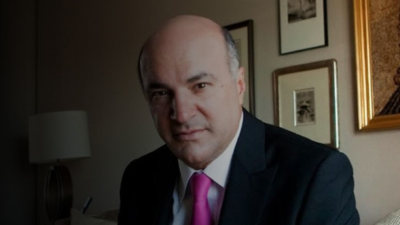
Canadian billionaire and investor Kevin O’Leary has sharply criticised California’s proposed wealth tax, warning that the measure is both ‘un-American’ and ‘unconstitutional’, and predicting it will be bogged down in years of litigation. In a post shared on social media platform X (formerly known as Twitter), paired with an interview clip with Fox News, O’Leary said, “I don’t think any of this is gonna work. First of all, California is the poster child for the worst managed state in the union.” He also argued that the state has already lost both businesses and billionaires even before the tax debate started, and said that the proposal would only accelerate the ongoing exodus. O’Leary also criticised the plan to tax unrealised gains, noting the difficulty of valuing assets that are not liquid. “There’s no liquidity in just saying this is what you’re worth this year, this is what you’re worth next year,” he said. “This is going to be litigation until the cows come home.” So, he said that the matter will surely be tied up in court.
California wealth tax and its critics
The so-called “Billionaire Tax” would allow California to levy taxes on unrealized gains if approved by two-thirds of the legislature. Supporters argue it ensures the ultra-wealthy contribute more to state revenues, but critics warn it could expand beyond billionaires and destabilize the economy.* Chamath Palihapitiya has labeled it an “Everyone Tax,” cautioning that it could eventually apply to most Californians.* Ben Horowitz, co-founder of Andreessen Horowitz, pointed to Norway’s experience with unrealized capital gains taxes, which he said drove entrepreneurs out of the country.* Nvidia CEO Jensen Huang, however, defended California’s high-tax environment, urging residents to stay and continue building in the state.California’s proposal comes amid a national push for higher taxes on billionaires, with advocates arguing it is necessary to reduce inequality. Opponents, including O’Leary, warn that such measures risk legal challenges, valuation disputes, and economic disruption, particularly in innovation hubs like Silicon Valley.


