
As the debate on size and composition of the Lok Sabha continues, the United States offers an interesting contrast. It does not keep enlarging its lower house every time population shifts. The United States House of Representatives has been capped at 435 seats since 1929, but after every decennial census those seats are redistributed among the states according to population, with each state guaranteed at least one seat. Over time, that has changed the balance quite a bit: states such as California, Florida and Texas have gained representation, while New York, Pennsylvania and Illinois have lost it. .But the real American safeguard lies in the other chamber. Every state — big or small — gets two Senators, regardless of the population. That arrangement emerged from the 1787 constitutional compromise between the large and small states. Since the Seventeenth Amendment, Senators have been directly elected by the people.India’s system is different. The Lok Sabha is population-based, and the Rajya Sabha too is only partly federal: bigger states still get a much larger voice there than smaller ones. That is why any future delimitation here can reopen not just the question of voter equality, but also the federal balance between states.There is also a separate political question. If the immediate goal is women’s representation, why must it require a 50% jump in Lok Sabha seats? Could 33% reservation be accommodated within the present ceiling, or better still, could major parties simply commit to giving half their tickets to women?End of ArticleFollow Us On Social MediaVideosModi Govt’s Women Quota Bill Crashes In Lok Sabha, Fails 2/3 Majority TestSad Day For Women’: Priyanka Chaturvedi Breaks With INDIA Bloc In Lok Sabha RowNo Nari Shakti! Women’s Bill Fails Lok Sabha Test, Protest Erupt | ‘Women Won’t Forgive’Trump’s Expected Pakistan Visit May Include Kashmir Talks, Report Fuels SpeculationStrait of Hormuz Open: What Iran’s Move Means for India Amid Ceasefire TensionsDelimitation Debate: Data Shows Hindi Belt’s Lok Sabha Share Fell More Than South Since 1951Amit Shah Targets Congress, Backs Women’s Quota And Delimitation PushHeated Exchange In Parliament As Rahul, Rijiju Spar Over Women’s Reservation BillUnmanned Fighters Set To Take The Lead In Aerial Combat, CATS Warrior To Lead Change For IndiaWomen’s Bill: Rahul Gandhi Accuses BJP Of Trying To Change Electoral Map, Takes ‘No Wife’ Jibe At PM123Photostories8 beautiful short baby girl names that mean grace and elegance6 markets that define the soul of Himachal PradeshGoa’s 5 posh localities for luxury living and real estate investment in 2026Struggling to stay consistent? These 5 workout quotes for women can change how you see fitnessWeekend binge eating vs daily overeating: Which is more harmful to your liver?Top 7 South Mumbai’s high-end neighbourhoods shaping India’s luxury real estateSmriti Irani indulges in authentic Bengali sweets: 8 traditional sweets of Bengal you need to try during summer10 delicious banana desserts you can easily make in minutesRed Banana vs Yellow Banana: Which is healthier? Full nutrition comparison of taste, benefits, and daily useForget wheat flour and try these traditional dishes made with rice flour123Hot PicksIran warDelimitation Bill DefeatPurple cap winnerOrange cap winnerIPL Points TablePublic holidays April 2026Bank Holidays AprilTop TrendingNashik TCSAmir HamzaAnti-Islam influencerStrait of HormuzSue BirdIce SpicePahalgam Pony Wallah StoryWomen Quota BillE Coli Smuggling CaseErika Kirk Event


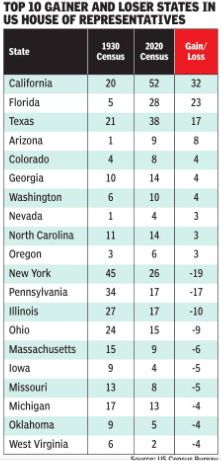
As the debate on size and composition of the Lok Sabha continues, the United States offers an interesting contrast. It does not keep enlarging its lower house every time population shifts. The United States House of Representatives has been capped at 435 seats since 1929, but after every decennial census those seats are redistributed among the states according to population, with each state guaranteed at least one seat. Over time, that has changed the balance quite a bit: states such as California, Florida and Texas have gained representation, while New York, Pennsylvania and Illinois have lost it.
.
But the real American safeguard lies in the other chamber. Every state — big or small — gets two Senators, regardless of the population. That arrangement emerged from the 1787 constitutional compromise between the large and small states. Since the Seventeenth Amendment, Senators have been directly elected by the people.India’s system is different. The Lok Sabha is population-based, and the Rajya Sabha too is only partly federal: bigger states still get a much larger voice there than smaller ones. That is why any future delimitation here can reopen not just the question of voter equality, but also the federal balance between states.There is also a separate political question. If the immediate goal is women’s representation, why must it require a 50% jump in Lok Sabha seats? Could 33% reservation be accommodated within the present ceiling, or better still, could major parties simply commit to giving half their tickets to women?


