
Archaeologists found an intact Anglo-Saxon burial chamber in Essex, challenging old ‘dark ages’ views

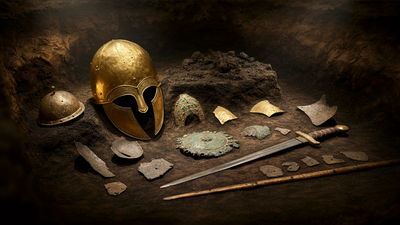
When archaeologists uncovered the Prittlewell burial in Essex, they did not find a simple grave but an intact chamber filled with carefully arranged objects linked to high status and ritual practice. According to Oxford University archival material, the site is regarded as one of the best-preserved undisturbed Anglo-Saxon graves of princely calibre, offering an unusually complete archaeological context for study.This level of preservation is important because it allows researchers to see not just individual artefacts, but also the way in which burial practice was structured. The layout of the artefacts inside the chamber shows an intended pattern related to social standing. At assessment sessions held by Oxford University, the burial has been characterised as a key example of developing elite culture in early Anglo-Saxon England. All of this calls into question previously made assumptions about cultural deficiency during this time period.An intact chamber that preserves elite intentionThe importance of Prittlewell lies not just in the nature of the artifacts, but in the way in which they were preserved. The tomb was left untouched, permitting the archaeologists to examine its structural makeup in detail. It is reportedly emphasised that this tomb allowed for a close examination not only of the tomb itself but also of the positioning of its items.The fact of undisturbance implies that the grave itself was carefully constructed. The use of such elements as furniture, fittings, and other grave goods implies the desire to express status. This issue is crucial since the context plays a very important role in archaeology in interpreting the significance of certain artifacts. Due to the disturbance of the grave, its context remains intactElite identity and princely burial traditionsPrittlewell is often mentioned in academic literature in relation to a larger trend of princely burials in Anglo-Saxon England. Oxford synthesis materials link the site to other sources on aristocracy and funerary traditions, implying that the burials represented structured ways of expressing social status rather than an exceptional occurrence.The chamber burial form itself required organisation, labour and resources, indicating that funerary practices were closely tied to social hierarchy. Reportedly, the site is considered one of the most important ones for researching cultural developments in this aristocratic class. It means that in early medieval England, the expression of power was not limited to the political sphere alone.The fact that the dead were buried in structured locations implies a developed form of identity construction.
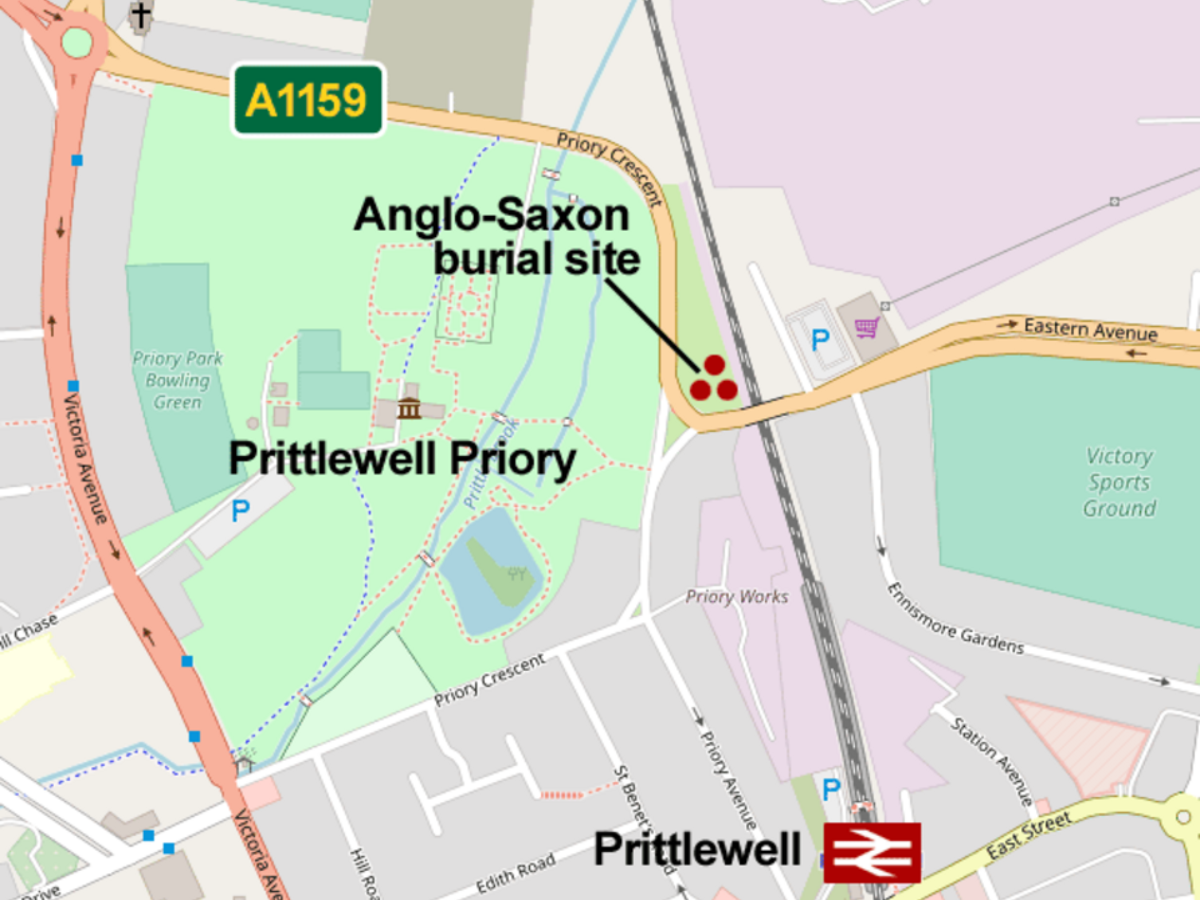
Prittlewell Anglo-Saxon burial map| Image Credit: Wikimedia Commons
Why the ‘Dark Ages’ interpretation falls shortThe Prittlewell burial has been widely used by many authors to challenge the term “Dark Ages” when referring to early medieval England. Additionally, the Prittlewell tomb shows evidence of craftsmanship, foreign trade, and proper burial ritual; all of these suggest organised social structures rather than a lack of culture.Such practices show that there existed societies organised enough to have a proper labour structure and to have access to other materials beyond those from their own localities. The site is seen in a bigger historical context where aristocratic life was practised. One of the most significant aspects of the burial is the presence of imported material. This challenges the idea of isolated early medieval communities.Archaeological preservation and historical valueThe intact nature of the Prittlewell chamber is central to its significance. The intact nature of this burial ground allows the study not only of the artifacts themselves but also of their arrangement. According to the Oxford excavation record, the state of preservation allows examination of details of burial practices and their social significance.This makes the site a benchmark in Anglo-Saxon archaeology. Here,, it is possible to examine a complete set of artifacts and conduct thorough research, rather than studying fragments. The Prittlewell burial continues to matter because it provides well-preserved evidence of structured elite culture in early Anglo-Saxon England. Oxford research materials consistently highlight its importance for understanding aristocratic burial, social hierarchy and material expression of status.The significance of the burial is that it offers excellent information on the structured elite culture of early Anglo-Saxon England. The Oxford resources continuously emphasise the importance of the burial in relation to elite funerals.


