
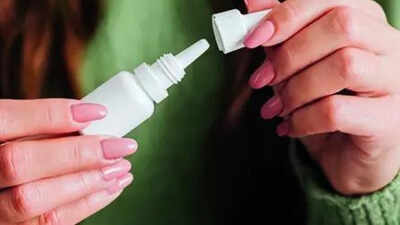
Representative image NEW DELHI: Flagging that certain yet-to-be-approved dry eye relief drops are being sold in the market, the central drugs regulator has asked states to cancel any permissions granted for these products and take action against manufacturers.In a communication to drug controllers in states and UTs, the Central Drugs Standard Control Organisation (CDSCO) said that ‘sodium hyaluronate eye drops 0.3%’ is being manufactured and sold without mandatory clearance from the central authority.Officials said the formulation falls under the category of “new drug”, meaning it must be approved before it can be sold in the market. Without approval, its safety and effectiveness are not verified.Israel Iran WarUS-Israel-Iran War News Live Updates: US pounds Iranian missile sites near key Strait of Hormuz; Iran rains down cluster bombs on Tel AvivUAE, Saudi Arabia, Kuwait, Qatar and Bahrain announces official start date of Eid Al Fitr 2026‘Trust completely shattered’: Saudi Arabia warns Iran of military retaliation after wave of Gulf attacksThese eye drops are commonly used to treat dry eyes and irritation, acting like artificial tears to keep the eyes moist and reduce discomfort. But experts warn that using unapproved products – even for routine conditions – can lead to complications.For the public, the CDSCO’s advise was clear – use eye drops only on a doctor’s advice and buy medicines from reliable sources. What may seem like a simple remedy can carry risks if it has not been properly cleared.”Using unapproved eye drops for dry eyes is risky as they can worsen irritation, increase dryness and raise the risk of infections like conjunctivitis. Since dry eyes already have a compromised surface, untested products can cause more harm than benefit. Even approved eye drops should be discarded a month after opening to avoid contamination,” said Dr Namrata Sharma, Prof in ophthalmology at Dr Rajendra Prasad Centre for Ophthalmic Sciences, AIIMS-Delhi.”Unapproved eye drops are unsafe as their quality, sterility and formulation are not assured. Poor manufacturing can lead to infections and reduced effectiveness due to improper formulation. Patients should use only doctor-prescribed products from reliable companies,” said Dr Ashu Agarwal, ophthalmologist, Apollo Hospital, Delhi.About the AuthorAnuja JaiswalAnuja Jaiswal is a Senior Assistant Editor at The Times of India, with an impressive 18-year career in narrative journalism. She specializes in health and heritage reporting, expertly simplifying complex health information to make it engaging and understandable for readers. Her deep dives into heritage topics are well-researched, resulting in captivating narratives that resonate with her audience. Over the years, she has worked in Chandigarh, Chhattisgarh and West UP, gaining diverse on-ground experience that shapes her storytelling.Read MoreEnd of ArticleFollow Us On Social MediaVideos’Urgent Need For De-Escalation’: PM Modi Speaks To French President Macron On West Asia ConflictMEA Receives Consular Access Request After Arrest Of Six Ukrainians By NIA’Condemnable’: PM Modi Dials Jordan’s King, Slams Attacks On Energy Infra In West Asia’Including Russia’: MEA’s Key Message On India’s LPG, Crude Oil Sourcing Amid Global Energy Crisis’Clandestine Nuclear Nonproliferation’: India Reacts To US Intel Chief’s Remarks On Pakistan’Concerning, But No Shortage’: Centre On LPG Situation, Warns Against Hoarding & Black MarketingSC Flags “Very Unusual” Situation, Seeks Remedy Over Mamata ‘Obstructing’ ED ChargeWar, Oil & Economy: Big Risks Ahead for India Explained’India Doing The Right Thing’: Congress Backs Modi Govt On Iran War, Tewari Says ‘Not Our War’Karti Chidambaram on TN Polls: ‘Stalin Way Ahead, Vijay’s Star Power Not Enough, BJP Has No Ground’123PhotostoriesEid 2026: How to make classic Hyderabadi Haleem at home for the celebrationWhat do atronauts eat? 8 categories of space food designed to keep them healthyThe ‘wall up’ test: A simple daily check to detect hidden back pain, posture issues, and protect your spine healthEid AI photo editing prompts: Google Gemini AI prompts for Eid-ul-Fitr 2026 celebrations on Instagram, WhatsApp status, and Facebook6 animals that survive without drinking water and how they do it5 dreamy places in India that resemble European destinationsYour heart after 30: Hidden changes that raise disease risk, and simple lifestyle fixes to protect it early9 must-try Rice desserts from different corners of the worldTop 5 premium cars for an exceptional driving experienceStep inside Kuldeep Yadav’s luxurious bungalow in Kanpur, Uttar Pradesh; A marble-clad haven worth crores123Hot PicksChina oil tankersMPsfarewellIran war newsGold rate todayIncome Tax CalculatorPublic holidays March 2026Bank Holidays MarchTop TrendingFortnite chapter 7eid al fitr 2026Green Card HoldersPeter ThielQatar missile fireNSA Doval US envoy talksDeve GowdaRajya Sabha MP farewellChina oil tankersCM Devendra Fadnavis

NEW DELHI: Flagging that certain yet-to-be-approved dry eye relief drops are being sold in the market, the central drugs regulator has asked states to cancel any permissions granted for these products and take action against manufacturers.In a communication to drug controllers in states and UTs, the Central Drugs Standard Control Organisation (CDSCO) said that ‘sodium hyaluronate eye drops 0.3%’ is being manufactured and sold without mandatory clearance from the central authority.Officials said the formulation falls under the category of “new drug”, meaning it must be approved before it can be sold in the market. Without approval, its safety and effectiveness are not verified.These eye drops are commonly used to treat dry eyes and irritation, acting like artificial tears to keep the eyes moist and reduce discomfort. But experts warn that using unapproved products – even for routine conditions – can lead to complications.For the public, the CDSCO’s advise was clear – use eye drops only on a doctor’s advice and buy medicines from reliable sources. What may seem like a simple remedy can carry risks if it has not been properly cleared.“Using unapproved eye drops for dry eyes is risky as they can worsen irritation, increase dryness and raise the risk of infections like conjunctivitis. Since dry eyes already have a compromised surface, untested products can cause more harm than benefit. Even approved eye drops should be discarded a month after opening to avoid contamination,” said Dr Namrata Sharma, Prof in ophthalmology at Dr Rajendra Prasad Centre for Ophthalmic Sciences, AIIMS-Delhi.“Unapproved eye drops are unsafe as their quality, sterility and formulation are not assured. Poor manufacturing can lead to infections and reduced effectiveness due to improper formulation. Patients should use only doctor-prescribed products from reliable companies,” said Dr Ashu Agarwal, ophthalmologist, Apollo Hospital, Delhi.


