
‘Must be universal’, P 5 Artificial intelligence has an exciting role to play in fields like drug discovery, scientific progress and disease treatment. But given the pace at which it is evolving, there is a real prospect of AI becoming more powerful than its creator, warns Tim Berners-Lee, British computer scientist and inventor of the World Wide Web. Humanity will have to figure out to how deal with super intelligence, says Berners-Lee, striking a note of caution at a time when companies and govts seem to be in a race to develop AI without really thinking through the consequences. ‘Biggest AI Summit’: Ashwini Vaishnaw Says India AI Impact Summit Getting ‘Phenomenal Response’ Speaking to Jaya Bhattacharji Rose, Berners-Lee described ChatGPT as a “phase change”, which surprised him with its conversational power. He emphasised that the critical question is who an AI works for. He argued for assistants that serve the user’s best interests – analogous to a doctor’s duty – rather than corporate incentives. He connected this to his Solid project and his company’s work on user-controlled data “pods”, aiming to restore agency by letting individuals control and selectively share their personal data, including in child-safe configurations with parental oversight.Berners-Lee also contrasted the early web’s democratic spirit with today’s platform-dominated experience. In the beginning, individuals could publish their own websites and participate on equal footing with major institutions.End of ArticleFollow Us On Social MediaVideosLower 18% Tariff To Give ‘Competitive Edge’ To Indian Agri Exports To US: APEDA‘GST After Death?’ Sitharaman Takes Dig at TMC During Budget ReplyRespect One, Call Another Traitor? Sitharaman Exposes Rahul’s Double StandardsBaloch Leader Akhtar Mengal Stuns Pakistan, Says Balochistan’s ‘Separation Is The Only Option Now”Modi Sold Bharat Mata’: Rahul Blasts Centre Over India-US Trade Deal, Govt hits back’India A Priority, No Second Class Citizen’: Jamaat Chief’s Big Statement Before Key Bangladesh VoteBangladesh Elections 2026: Key Players and Why India, China & Pakistan Are WatchingEntertainment Value Or Evidence? Hardeep Puri Blasts Rahul Gandhi’s ‘Buffoonery’ On Epstein FilesMuhammad Yunus Assures Smooth Handover Ahead Of Bangladesh’s First Elections After Hasina Exit”If You Had Taken My Advice” Jagdambika Pal Responds To Rahul Gandhi’s Ex-Congress Jab123Photostories8 herbs you can grow on a windowsill for cooking and décor10 royal baby names that never go out of styleFrom Ranveer Singh to Randeep Hooda: Bollywood stars who were gifted handwritten letters by Amitabh Bachchan6 Vastu-recommended paintings you should have in your home to attract wealth and prosperityExclusive – Kanika Mann on bagging Naagin 7, playing a negative role and comparisons with Priyanka Chahar Choudhary; says ‘I am open to it’18 must-try coffee drinks from around the world5 real estate hotspots in Surat, Gujarat driving property demand5 fire safety measures every residential building must have5 heartfelt romance dramas on Peacock that are a must-watch ahead of Valentine’s DayKerala Assembly polls 2026: PM Modi kick starts BJP’s campaign with launch of several development projects123Hot PicksBharat bandh todayGold Silver PricesBangladesh Elections 2026Bharat BandhIncome Tax CalculatorPublic holidays February 2026Bank Holidays februaryTop TrendingAll American ShowTravis KelceJuraj SlafkovskyLeBron JamesElvis MerzlikinsMilano CortinaKayla NicoleJulia SimonClash Royale ControversyPuka Nacua
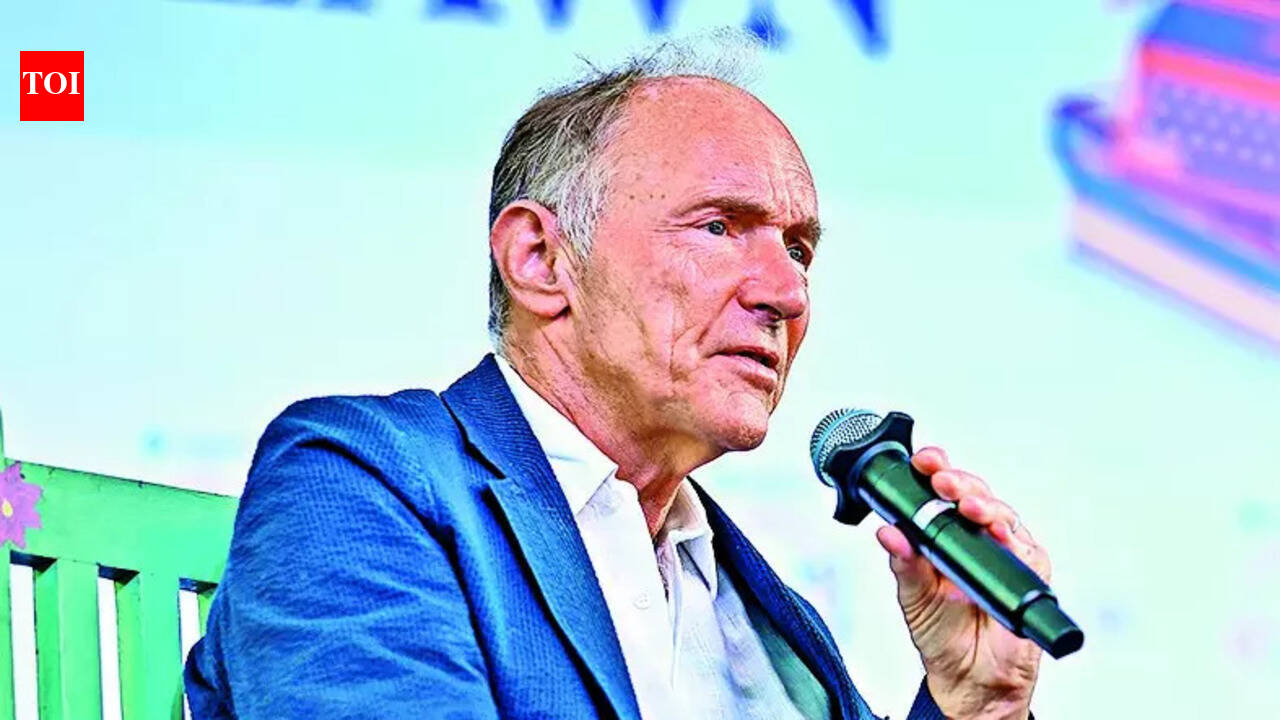
Artificial intelligence has an exciting role to play in fields like drug discovery, scientific progress and disease treatment. But given the pace at which it is evolving, there is a real prospect of AI becoming more powerful than its creator, warns Tim Berners-Lee, British computer scientist and inventor of the World Wide Web. Humanity will have to figure out to how deal with super intelligence, says Berners-Lee, striking a note of caution at a time when companies and govts seem to be in a race to develop AI without really thinking through the consequences.
Speaking to Jaya Bhattacharji Rose, Berners-Lee described ChatGPT as a “phase change”, which surprised him with its conversational power. He emphasised that the critical question is who an AI works for. He argued for assistants that serve the user’s best interests – analogous to a doctor’s duty – rather than corporate incentives. He connected this to his Solid project and his company’s work on user-controlled data “pods”, aiming to restore agency by letting individuals control and selectively share their personal data, including in child-safe configurations with parental oversight.Berners-Lee also contrasted the early web’s democratic spirit with today’s platform-dominated experience. In the beginning, individuals could publish their own websites and participate on equal footing with major institutions.


