
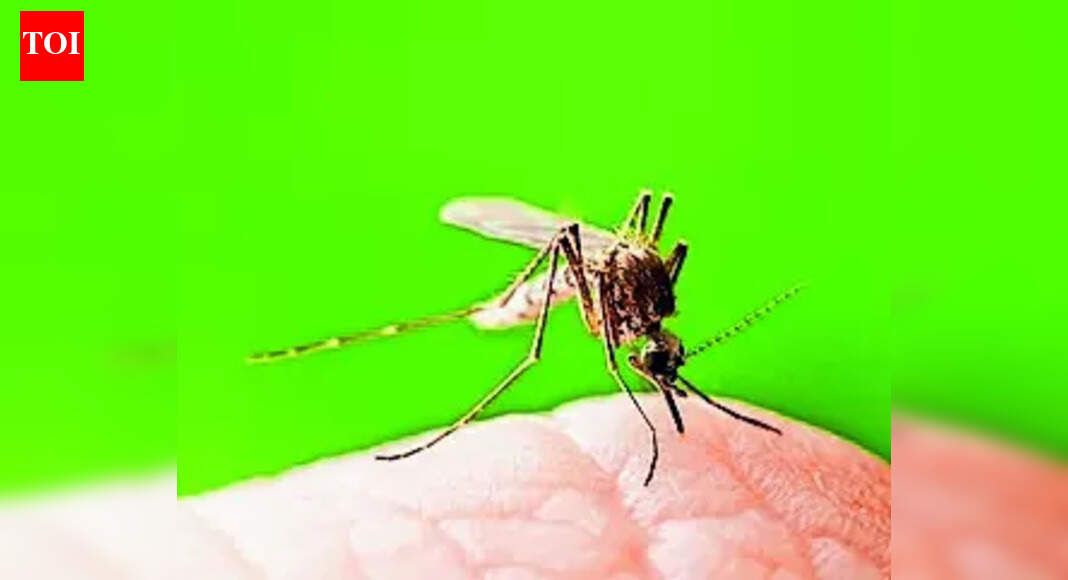
Representational image NEW DELHI: India’s malaria burden has shrunk sharply over the past decade and is now increasingly confined to specific districts and pockets, particularly in parts of Mizoram and Tripura, even as most of the country moves closer to elimination, according to the Malaria Elimination Technical Report 2025. The report notes a clear geographic contraction of malaria transmission. While multiple states and Union territories accounted for high malaria burden in 2015, sustained interventions have pushed most regions into low- or very low-transmission categories. What remains, the report stresses, is focal transmission concentrated in select districts, mainly in forested, tribal, and border areas.National data reflect the scale of progress. Reported malaria cases declined from about 11.7 lakh in 2015 to around 2.27 lakh in 2023, a reduction of nearly 80%, while deaths fell from 384 to 83 during the same period. These gains have moved India firmly into a high-impact, low-transmission phase, the report says.Several states that once contributed heavily to the national caseload — including Odisha, Chhattisgarh, Jharkhand, and Meghalaya — have seen sustained declines and are no longer categorised as high-burden at the state level. Other regions such as the Andaman & Nicobar Islands, Madhya Pradesh, Arunachal Pradesh, and Dadra & Nagar Haveli are now reporting only sporadic cases.At the same time, the report cautions that remaining malaria transmission is increasingly heterogeneous, with clusters persisting in difficult-to-reach districts. In the Northeast, districts in Mizoram and Tripura continue to report malaria due to a combination of factors such as forest cover, cross-border movement, seasonal migration, and challenges in early diagnosis and follow-up.Elimination gains are already visible at the local level. Ladakh, Lakshadweep, and Puducherry reported zero indigenous malaria cases, while 122 districts nationwide recorded no malaria cases in 2023, indicating that district-level elimination is advancing faster than statewide milestones.However, as case numbers decline, the report flags new risks. Asymptomatic infections, reduced vigilance, and the emergence of urban malaria linked to construction activity and mosquito breeding in cities could threaten progress if surveillance weakens. The final phase, experts warn, will require precision rather than scale.India has set a national target to eliminate malaria by 2030, with some states aiming to achieve zero transmission earlier. The report concludes that while malaria is no longer a nationwide threat, finishing the job will depend on sustained surveillance, district-specific strategies, and uninterrupted funding in the remaining high-risk pockets.About the AuthorAnuja JaiswalAnuja Jaiswal is a Senior Assistant Editor at The Times of India, with an impressive 18-year career in narrative journalism. She specializes in health and heritage reporting, expertly simplifying complex health information to make it engaging and understandable for readers. Her deep dives into heritage topics are well-researched, resulting in captivating narratives that resonate with her audience. Over the years, she has worked in Chandigarh, Chhattisgarh and West UP, gaining diverse on-ground experience that shapes her storytelling.Read MoreEnd of ArticleFollow Us On Social MediaVideosRed Line From New Delhi: India Calls Out Yunus Govt As Minority Attacks In Bangladesh EscalateMyanmar Heads to Polls After Five Years as Rights Groups Slam Military-Run Process’Can You Elect A Non-Muslim?’ Indian Student Dismantles Pakistan On Minority Rights, DemocracySix Shots On AMU Campus Kill Teacher As CCTV Shows Killers Firing Into His Head After He Fell DownPutin Called Pakistan A Junta With Nukes As Bush Feared Nuclear Leaks To Iran, Reveal TranscriptsTwo Indians Killed In Canada Within A Few Days, Families Raise Question On Safety Of Students AbroadUnnao Rape Convict Kuldeep Sengar’s Bail Triggers Protests In Delhi, Victim’s Mother Demands Hanging’Burn Houses, Murder People’: Brisbane Imam’s Expose of Pakistan’s Attitude Towards MinoritiesBig Test For BNP Chief Tarique Rahman To Rein In Islamists, Calm Bangladesh Amid Violence: Ex-Envoys’Not Genocide But Anger Against Govt’: Cleric On Bangladesh Unrest, Questions Selective Outrage123Photostories5 types of demons as per mythologyand what do they signifyAhead of ‘Jana Nayagan’ audio launch: Revisiting Thalapathy Vijay’s most ICONIC audio launch moments10 books whose first line is enough to convince anyone to read them6 stinkiest foods in the world you won’t believe people eat8 villages in India that are experiences, not just destinations’Timeless message of love, peace and compassion’: PM Modi joins Christmas prayers at Delhi cathedral – In picsFrom Mouni Roy to Tejasswi Prakash: A look back at the leading ladies of ‘Naagin’ ahead of season 7 releaseDelhi’s major wholesale markets one must explore as a tourist5 viral fashion trends and aesthetics that took over Instagram feeds in 2025How to be a good dad: 10 ways to be the father you always wished for123Hot PicksUAE WeatherPAN-Aadhaar linkingAmrit MondalGold rate todayIncome Tax RefundIndian Railways fareBank Holidays DecemberTop TrendingCharles BarkleyAnthony DavisStephen CurryJaipur Mosque ViolenceTravis KelceConor McgregorShivank AvasthiSophie CunninghamVanessa BryantUS Strike Nigeria
NEW DELHI: India’s malaria burden has shrunk sharply over the past decade and is now increasingly confined to specific districts and pockets, particularly in parts of Mizoram and Tripura, even as most of the country moves closer to elimination, according to the Malaria Elimination Technical Report 2025. The report notes a clear geographic contraction of malaria transmission. While multiple states and Union territories accounted for high malaria burden in 2015, sustained interventions have pushed most regions into low- or very low-transmission categories. What remains, the report stresses, is focal transmission concentrated in select districts, mainly in forested, tribal, and border areas.National data reflect the scale of progress. Reported malaria cases declined from about 11.7 lakh in 2015 to around 2.27 lakh in 2023, a reduction of nearly 80%, while deaths fell from 384 to 83 during the same period. These gains have moved India firmly into a high-impact, low-transmission phase, the report says.Several states that once contributed heavily to the national caseload — including Odisha, Chhattisgarh, Jharkhand, and Meghalaya — have seen sustained declines and are no longer categorised as high-burden at the state level. Other regions such as the Andaman & Nicobar Islands, Madhya Pradesh, Arunachal Pradesh, and Dadra & Nagar Haveli are now reporting only sporadic cases.At the same time, the report cautions that remaining malaria transmission is increasingly heterogeneous, with clusters persisting in difficult-to-reach districts. In the Northeast, districts in Mizoram and Tripura continue to report malaria due to a combination of factors such as forest cover, cross-border movement, seasonal migration, and challenges in early diagnosis and follow-up.Elimination gains are already visible at the local level. Ladakh, Lakshadweep, and Puducherry reported zero indigenous malaria cases, while 122 districts nationwide recorded no malaria cases in 2023, indicating that district-level elimination is advancing faster than statewide milestones.However, as case numbers decline, the report flags new risks. Asymptomatic infections, reduced vigilance, and the emergence of urban malaria linked to construction activity and mosquito breeding in cities could threaten progress if surveillance weakens. The final phase, experts warn, will require precision rather than scale.India has set a national target to eliminate malaria by 2030, with some states aiming to achieve zero transmission earlier. The report concludes that while malaria is no longer a nationwide threat, finishing the job will depend on sustained surveillance, district-specific strategies, and uninterrupted funding in the remaining high-risk pockets.


