
Representataional photo NEW DELHI: United States on Monday welcomed India’s newly passed SHANTI bill, calling it an important step towards stronger energy ties and peaceful civil nuclear cooperation between the two countries.In a post on X, the US embassy in India said it saw the bill as a move that supports energy security and opened the door for closer collaboration. “We welcome India’s new Shanti bill, a step towards a stronger energy security partnership and peaceful civil nuclear cooperation,” the embassy said. It added that Washington was ready to work with India on joint innovation and research and development in the energy sector.The statement came a day after president signed the Sustainable Harnessing and Advancement of Nuclear Energy for Transforming India Bill, or SHANTI Bill, 2025, marking a major change in India’s civil nuclear framework.The bill was passed by voice vote during the winter session of parliament, even as most opposition members staged a walkout. India–US civil nuclear cooperationIndia and the United States announced a civil nuclear cooperation initiative nearly two decades ago, leading to the landmark India–US nuclear deal. The agreement ended India’s long period of nuclear isolation and allowed it to resume civil nuclear cooperation, even as it remained outside the nuclear non-proliferation treaty.The deal marked a major shift in US policy and significantly changed the trajectory of bilateral relations. Despite the agreement, progress was slow for years due to legal and regulatory hurdles. A breakthrough happened this year in March when the US department of energy granted regulatory clearance to an American company to design and build nuclear reactors in India.What is SHANTI ActThe SHANTI Act overhauls India’s civil nuclear regime, which has largely remained unchanged since the Atomic Energy Act of 1962. A key feature of the Act is the opening up of parts of the civil nuclear sector to private participation for the first time. The Act also gives statutory status to the Atomic Energy Regulatory Board. In addition, it introduces a clear licensing regime and sets up a specialised nuclear tribunal to handle disputes.Another major change under the SHANTI Act relates to civil nuclear liability. The legislation removes the clause that held suppliers of nuclear equipment liable for nuclear damage.About the AuthorTOI News DeskThe TOI News Desk comprises a dedicated and tireless team of journalists who operate around the clock to deliver the most current and comprehensive news and updates to the readers of The Times of India worldwide. With an unwavering commitment to excellence in journalism, our team is at the forefront of gathering, verifying, and presenting breaking news, in-depth analysis, and insightful reports on a wide range of topics. The TOI News Desk is your trusted source for staying informed and connected to the ever-evolving global landscape, ensuring that our readers are equipped with the latest developments that matter most.”Read MoreEnd of ArticleFollow Us On Social MediaVideosYogi Adityanath Says Vande Mataram Became Victim of Congress Appeasement PoliticsNew Zealand India FTA Sparks Coalition Rift As PM Christopher Luxon Backs Deal, NZ First Rejects ItGujarat Student Says He Was Forced To Fight For Russia As Indians Remain Trapped Ukraine War CrisisPTI Leaders Hold Massive Protest in Peshawar Against Imran Khan’s 17-Year Jail SentenceBangladesh Turmoil: Another Youth Leader Shot In Head Days After Osman Hadi’s KillingAravalli Hills Row: Why Definition Battle Could Decide Mining Water Security And AQI In North India‘Do Namune’ Dig By Yogi Adityanath Ignites UP Assembly Clash, Akhilesh Accuses BJP Of Decorum Breach‘You Reap What You Sow’: Indian Student Slams Pakistan’s Kashmir Narrative At Oxford Union Debate’We Are One When It Comes To India’: SP Leader Sumaiya Rana Refuses Interview To Pakistani ChannelZero Tariff Access For Indian Exports As Modi Govt Seals Landmark Free Trade Deal With New Zealand123PhotostoriesDiscover the secret of financial success according to your birth dateTop 10 richest countries in the world in 20257 simple fruit plants ideal for a lush balcony garden6 quirky book titles that instantly spark curiosity at first glanceSoya chunks vs Soya chaap vs Baked beans: Which has more protein and nutritionKashmir: Chillai Kalan arrives as fresh snowfall turns the Valley into a winter wonderland — what exactly is it?Fatty liver disease, social media myths and the risk of self-diagnosisFrom Japan to Ukraine: 7 weird yet wonderful Christmas traditions from different countries that bring families and people togetherMajor relief for Bengaluru commuters: Kamaraj Road between Cubbon Road-Cauvery Emporium junction likely to reopen next year inJanuarySurfing Santa: 5 countries in the world that celebrate summer Christmas123Hot PicksUAE WeatherEpstein files releasedGold price predictionGold rate todaySilver rate todayPublic Holidays DecemberBank Holidays DecemberTop TrendingJosh Allen Luxury Car CollectionRandi MahomesAuston MatthewsPatrick MahomesLebron JamesLos Angeles DodgersPaul Heyman and Marla Heyman Net WorthWho is chris oladokunA JA WilsonCharles Barkley
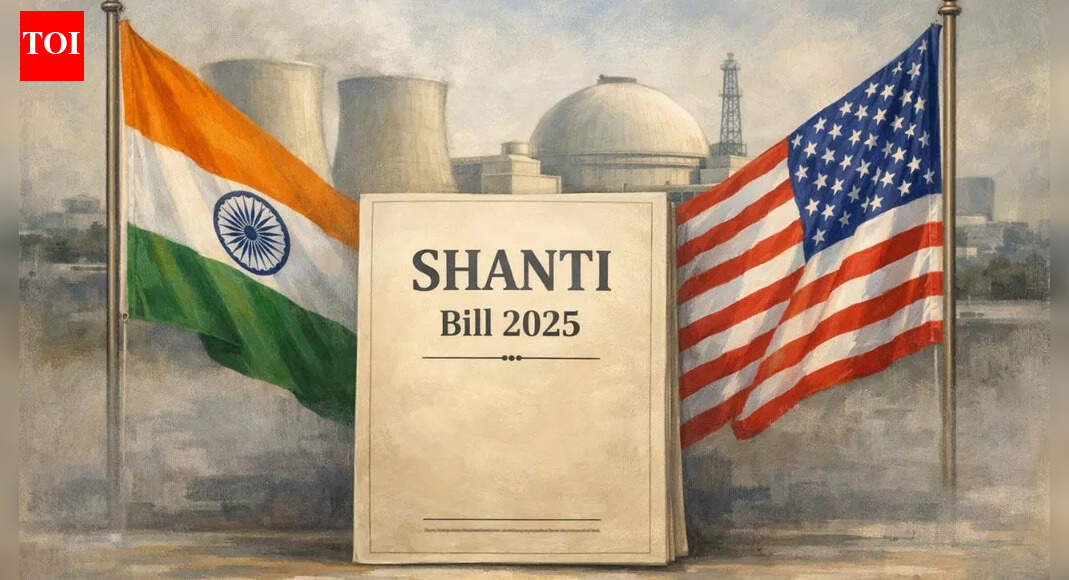

NEW DELHI: United States on Monday welcomed India’s newly passed SHANTI bill, calling it an important step towards stronger energy ties and peaceful civil nuclear cooperation between the two countries.In a post on X, the US embassy in India said it saw the bill as a move that supports energy security and opened the door for closer collaboration. “We welcome India’s new Shanti bill, a step towards a stronger energy security partnership and peaceful civil nuclear cooperation,” the embassy said. It added that Washington was ready to work with India on joint innovation and research and development in the energy sector.The statement came a day after president signed the Sustainable Harnessing and Advancement of Nuclear Energy for Transforming India Bill, or SHANTI Bill, 2025, marking a major change in India’s civil nuclear framework.The bill was passed by voice vote during the winter session of parliament, even as most opposition members staged a walkout.
India–US civil nuclear cooperation
India and the United States announced a civil nuclear cooperation initiative nearly two decades ago, leading to the landmark India–US nuclear deal. The agreement ended India’s long period of nuclear isolation and allowed it to resume civil nuclear cooperation, even as it remained outside the nuclear non-proliferation treaty.The deal marked a major shift in US policy and significantly changed the trajectory of bilateral relations. Despite the agreement, progress was slow for years due to legal and regulatory hurdles. A breakthrough happened this year in March when the US department of energy granted regulatory clearance to an American company to design and build nuclear reactors in India.
What is SHANTI Act
The SHANTI Act overhauls India’s civil nuclear regime, which has largely remained unchanged since the Atomic Energy Act of 1962. A key feature of the Act is the opening up of parts of the civil nuclear sector to private participation for the first time. The Act also gives statutory status to the Atomic Energy Regulatory Board. In addition, it introduces a clear licensing regime and sets up a specialised nuclear tribunal to handle disputes.Another major change under the SHANTI Act relates to civil nuclear liability. The legislation removes the clause that held suppliers of nuclear equipment liable for nuclear damage.


