
India’s ISRO is set to launch its heaviest American commercial satellite, the 6.5-tonne BlueBird-6, on December 15 from Sriharikota. This marks a significant boost to Indo-US space cooperation. The LVM3 rocket will carry the satellite, designed to provide direct-to-device mobile broadband in areas with poor network coverage, aiming to bridge the digital divide. NEW DELHI: In a boost to Indo-US space cooperation, Isro will launch its heaviest American commercial communication low-earth orbit satellite, the 6.5-tonne BlueBird-6, from the Sriharikota spaceport on Dec 15. Isro’s ‘Bahubali’ rocket LVM3 will put the US satellite into orbit.AST SpaceMobile, a Texas-based company that has built the space-based cellular broadband network, said, “BlueBird-6, a US licensed satellite, is scheduled to launch on Dec 15. It is the first of AST SpaceMobile’s next-generation satellites. When launched, it will feature the largest commercial phased array in low earth orbit at nearly 2,400 sqft. This represents 3.5 times increase in size over BlueBirds 1-5 and supports ten times the data capacity.”BlueBird-6 is a “Block-2” satellite and part of a larger plan by AST SpaceMobile to deploy a series of satellites to achieve non-continuous service, with further launches scheduled through 2026. Its aim is to bridge the “digital divide” by offering fast, unhindered direct-to-device mobile broadband service in areas with poor or non-existent terrestrial network coverage.The BlueBird satellites are designed to deliver a high amount of bandwidth, with each unit capable of up to 10,000 MHz. They operate by partnering with existing mobile network carriers to enhance their networks using licensed spectrum.The BlueBird-6 satellite arrived in India from the US on Oct 19. It was later transported by road to Sriharikota for integration with launcher LVM3, fuelling and final checks ahead of its launch.The liftoff is being handled by New Space India Limited (NSIL), Isro’s commercial wing. LVM-3 had recently put India’s heaviest CMS-3 satellite, weighing 4.4 tonnes, into its orbit on Nov 2. A three-stage launch vehicle, LVM3 rocket can carry payloads weighing up to 8,000 kg to low-Earth orbit (LEO) and 4,000 kg to geosynchronous transfer orbit (GTO). The human-rated version of this vehicle will fly three Indian astronauts to space, as part of the Gaganyaan mission, which is planned for 2027.End of ArticleFollow Us On Social MediaVideosPM Modi Receives Call From Israeli PM Netanyahu; Reaffirms Support For Gaza Peace PlanUS Pushes $1.25 Billion Into Reko Diq As Critical Minerals Race Heats Up In Balochistan’s Badlands’Detect, Delete, Deport’: Amit Shah Blasts Rahul Gandhi Over Infiltrators, Oppn Stages WalkoutMicrosoft’s Biggest Asia Investment Yet: What The $17.5 Billion India Push Really Means ExplainedOwaisi Calls SIR a ‘Backdoor NRC’ in Lok Sabha, Warns of Selective Religious DisenfranchisementVande Mataram: Priyanka Chaturvedi Urges Parliament To Correct ‘WhatsApp Version’ Of India’s HistoryRahul Gandhi’s ‘Open Challenge’ To Amit Shah In Lok Sabha Over SIR Gets ‘I Will Decide’ ReplyExplained: The Sindhudesh Push In Karachi And The Historical Fractures Driving Pakistan’s TurmoilIndiGo’s 5% Flight Cut Explained: Causes, Impact on Routes, and the Ripple Effects on PassengersMicrosoft CEO ‘Thrilled’ About India’s Growing Data Centre Capacity, Details Meet With PM Modi123Photostories5 homemade natural anti-ageing drinks that nourish from withinWinter Special: How to make Besan ka Sheera at homeNo heartbeat but still alive: 5 animals that survive without a heart’Dhurandhar’ star Sara Arjun just served the most elegant floral moment of the season‘Gangs of Wasseypur’, ‘Gangubai Kathiawadi’, ‘Shootout at Lokhandwala’: Bollywood movies that brought infamous gangsters Alive6 powerful Shiv Mantras and how reciting them regularly can bring in a transformative experience in lifeSHE Travels: 9 beach holidays in India perfect for your next girls’ trip7 daily winter soups for better digestion, immunity & energy5 vegetables that are healthier raw than cooked8 weakest currencies in the world123Hot PicksIndia US DealMutual Fund AdvisorSpiceJet FlightGold rate todaySilver rate todayPublic Holidays NovemberBank Holidays NovemberTop TrendingPhilip Rivers Earnings 2025Resident Evil 9 UpdatesAnthony Richardson InjuryStephen Curry WifeVenus Williams and Andrea Net WorthSlient Hill 1 Remake Release DateRafael Nadal and Mery Net WorthTrey Benson Injury updateAlvin Kamara InjuryDwyane Wade Wife
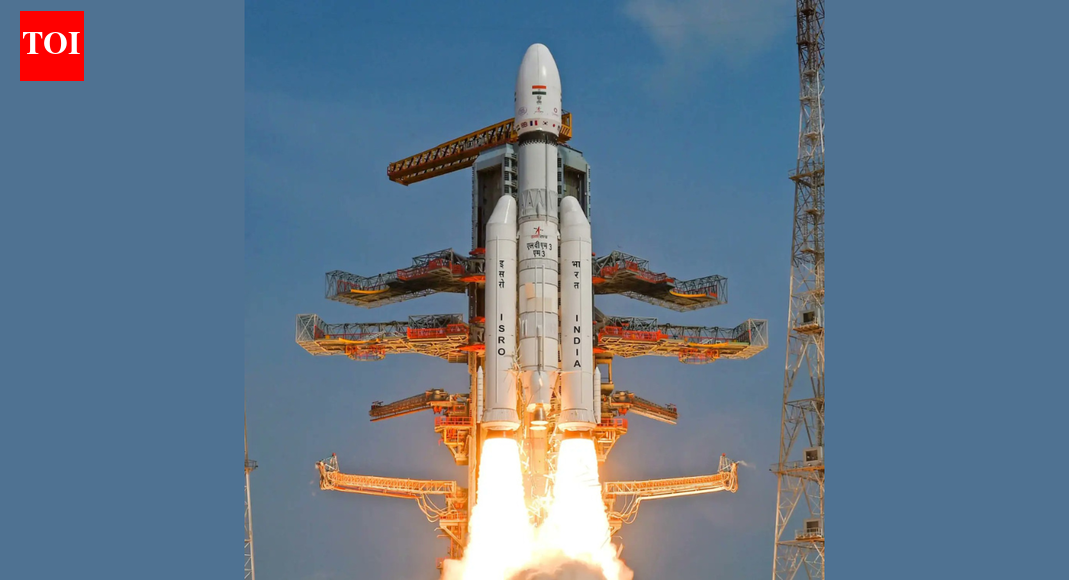
NEW DELHI: In a boost to Indo-US space cooperation, Isro will launch its heaviest American commercial communication low-earth orbit satellite, the 6.5-tonne BlueBird-6, from the Sriharikota spaceport on Dec 15. Isro’s ‘Bahubali’ rocket LVM3 will put the US satellite into orbit.AST SpaceMobile, a Texas-based company that has built the space-based cellular broadband network, said, “BlueBird-6, a US licensed satellite, is scheduled to launch on Dec 15. It is the first of AST SpaceMobile’s next-generation satellites. When launched, it will feature the largest commercial phased array in low earth orbit at nearly 2,400 sqft. This represents 3.5 times increase in size over BlueBirds 1-5 and supports ten times the data capacity.”BlueBird-6 is a “Block-2” satellite and part of a larger plan by AST SpaceMobile to deploy a series of satellites to achieve non-continuous service, with further launches scheduled through 2026. Its aim is to bridge the “digital divide” by offering fast, unhindered direct-to-device mobile broadband service in areas with poor or non-existent terrestrial network coverage.The BlueBird satellites are designed to deliver a high amount of bandwidth, with each unit capable of up to 10,000 MHz. They operate by partnering with existing mobile network carriers to enhance their networks using licensed spectrum.The BlueBird-6 satellite arrived in India from the US on Oct 19. It was later transported by road to Sriharikota for integration with launcher LVM3, fuelling and final checks ahead of its launch.The liftoff is being handled by New Space India Limited (NSIL), Isro’s commercial wing. LVM-3 had recently put India’s heaviest CMS-3 satellite, weighing 4.4 tonnes, into its orbit on Nov 2. A three-stage launch vehicle, LVM3 rocket can carry payloads weighing up to 8,000 kg to low-Earth orbit (LEO) and 4,000 kg to geosynchronous transfer orbit (GTO). The human-rated version of this vehicle will fly three Indian astronauts to space, as part of the Gaganyaan mission, which is planned for 2027.


