
Lung cancer deaths can be reduced through low-dose CT screening, which can also help detect the disease before it reaches advanced stages in people at high risk, according to an IARC assessment. NEW DELHI: Low-dose computed tomography (CT) screening can cut the risk of dying from lung cancer by 16% in high-risk people, while also reducing the incidence of advanced stage III or IV disease, an International Agency for Research on Cancer (IARC) working group has found.Published in The New England Journal of Medicine, the assessment found established evidence that low-dose CT reduces lung cancer mortality when used in people at high risk based mainly on age and smoking history.IARC convened a working group of 23 clinicians and scientists from 17 countries, including Dr Abhishek Shankar of All India Institute of Medical Sciences, New Delhi, to assess the benefits and harms of lung cancer screening.The evidence mainly applies to people aged 50 to 80 with a substantial smoking history, typically at least 20 to 30 pack-years. Studies involving former smokers generally included those who had quit within the previous 10 to 15 years, with screening usually performed annually.In India, people aged 50 to 80 with at least 20 pack-years of smoking who are current smokers or quit within the past 15 years can contact the Indian Lung Screening Trial, led by Dr Abhishek Shankar at AIIMS, New Delhi, about screening. Dr Shankar has invited eligible people to contact him for screening under the trial.The evidence behind the finding came mainly from randomised trials. In the US National Lung Screening Trial, people screened with low-dose CT had a 16% lower relative risk of dying from lung cancer than those screened with chest X-rays at seven years. The European NELSON trial also found lower lung cancer mortality among men screened with low-dose CT at 10 years.Based on this evidence, the IARC group classified low-dose CT as Group A, indicating established evidence that it reduces lung cancer mortality and the incidence of stage III or IV disease. Chest X-rays, with or without sputum examination, were classified as Group C, as their ability to reduce lung cancer mortality could not be established.However, the review cautioned that low-dose CT screening is not meant for everyone. False-positive results ranged from 1% to 42% across studies, depending on the screening protocol. Among those with false-positive results, 5% to 32% underwent at least one invasive procedure, with complications occurring in 10% to 22% of such procedures.Join conversationView All Comments →Share your thoughts in the commentsInsightfulAgreeDisagreeSkepticalConcerningPromisingWorth ReadingBig DevelopmentPost CommentBe respectful · TOI community guidelinesThe review also estimated that 3% to 26% of lung cancers detected in randomised trials involving high-risk people could represent overdiagnosis, meaning cancers that might not have caused harm during the person’s lifetime.The working group said effective lung cancer screening needs more than CT scanners, including systems for identifying eligible people, assessing risk, monitoring nodules, providing treatment and follow-up, along with smoking-cessation support. Organised programmes also require trained staff, quality assurance, adequate healthcare capacity and equitable access.Get the latest India News and Live updates. Download the TOI app.About the AuthorAnuja JaiswalAnuja Jaiswal is a Senior Assistant Editor at The Times of India, with an impressive 18-year career in narrative journalism. She specializes in health and heritage reporting, expertly simplifying complex health information to make it engaging and understandable for readers. Her deep dives into heritage topics are well-researched, resulting in captivating narratives that resonate with her audience. Over the years, she has worked in Chandigarh, Chhattisgarh and West UP, gaining diverse on-ground experience that shapes her storytelling.Read MoreEnd of ArticleFollow Us On Social MediaVideos’Thappad Maar Diya’: Delhi Deputy CM Parvesh Verma Slaps Man During Road Inspection; AAP Hits Out‘No UPI Day’ On Gandhi Jayanti: Mobile Retailers Announce Oct 2 Protest Over 0.4% MDRViolence Erupts at Punjab’s LPU As Students Protest Over Alleged Rape Case, Police File FIR‘Tried To Drag Me Out Of My Car’: TMC MLA Kunal Ghosh Alleges Second Attack In 24 Hours, Accuses BJP‘Go, Protest In Kerala’: Bengal CM Suvendu Attacks Mamata Banerjee, Rahul Gandhi Over SIR-EC Row‘Tried To Normalise Terrorism’: Jaishankar Hits Back At Pakistan PM Shehbaz Sharif In UNGA SpeechAlbanese Hails Modi’s Energy Push: ‘India Gave More People Access Than Anywhere In History’Delhi Skeleton Mystery: Skeleton-Like Structure Found During BJP Cleanliness Drive | Watch‘Padma Bhushan Is Small, Make Him PM’: Pawan Khera Mocks BJP’s Praise For Gyanesh KumarSkyStriker, HIMARS, Apache: India, US Showcase Firepower At Yudh Abhyas 2026 | Watch123Hot PicksAsian Games India ScheduleHormuz ShutdownCJP ProtestIndian Medallists EarningOctober 2026 School HolidaysFortnite X Five Nights Release DateParvesh Verma Slapping RowShohei Ohtanis ContractIran EmbassyUS SubmarineTop TrendingPowerball WinnerPAC Cause of DeathPowerball JackpotBackyard Amusement ParkUP EncounterAshrit TalluriGrace HendrianErin GardnerJoe ThomasDonald trump

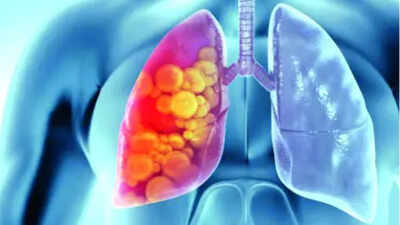
NEW DELHI: Low-dose computed tomography (CT) screening can cut the risk of dying from lung cancer by 16% in high-risk people, while also reducing the incidence of advanced stage III or IV disease, an International Agency for Research on Cancer (IARC) working group has found.Published in The New England Journal of Medicine, the assessment found established evidence that low-dose CT reduces lung cancer mortality when used in people at high risk based mainly on age and smoking history.IARC convened a working group of 23 clinicians and scientists from 17 countries, including Dr Abhishek Shankar of All India Institute of Medical Sciences, New Delhi, to assess the benefits and harms of lung cancer screening.The evidence mainly applies to people aged 50 to 80 with a substantial smoking history, typically at least 20 to 30 pack-years. Studies involving former smokers generally included those who had quit within the previous 10 to 15 years, with screening usually performed annually.In India, people aged 50 to 80 with at least 20 pack-years of smoking who are current smokers or quit within the past 15 years can contact the Indian Lung Screening Trial, led by Dr Abhishek Shankar at AIIMS, New Delhi, about screening. Dr Shankar has invited eligible people to contact him for screening under the trial.The evidence behind the finding came mainly from randomised trials. In the US National Lung Screening Trial, people screened with low-dose CT had a 16% lower relative risk of dying from lung cancer than those screened with chest X-rays at seven years. The European NELSON trial also found lower lung cancer mortality among men screened with low-dose CT at 10 years.Based on this evidence, the IARC group classified low-dose CT as Group A, indicating established evidence that it reduces lung cancer mortality and the incidence of stage III or IV disease. Chest X-rays, with or without sputum examination, were classified as Group C, as their ability to reduce lung cancer mortality could not be established.However, the review cautioned that low-dose CT screening is not meant for everyone. False-positive results ranged from 1% to 42% across studies, depending on the screening protocol. Among those with false-positive results, 5% to 32% underwent at least one invasive procedure, with complications occurring in 10% to 22% of such procedures.
Share your thoughts in the comments
Be respectful · TOI community guidelines
The review also estimated that 3% to 26% of lung cancers detected in randomised trials involving high-risk people could represent overdiagnosis, meaning cancers that might not have caused harm during the person’s lifetime.The working group said effective lung cancer screening needs more than CT scanners, including systems for identifying eligible people, assessing risk, monitoring nodules, providing treatment and follow-up, along with smoking-cessation support. Organised programmes also require trained staff, quality assurance, adequate healthcare capacity and equitable access.


