
Older than dinosaurs and Himalayas: Why Bengaluru’s 3-billion-year-old Lalbagh Rock is in the news; history of city’s ancient landmark and why citizens are fighting to protect it

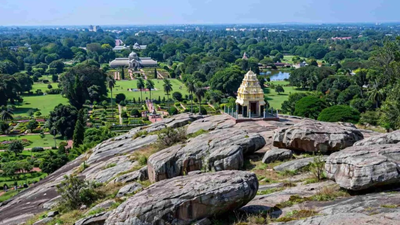
It has been standing in what is now Bengaluru for billions of years, long before humans, cities or even the Himalayas existed. Now, one of Bengaluru’s most significant geological landmarks has found itself at the centre of a modern infrastructure debate. The Lalbagh Rock, a massive outcrop of Peninsular Gneiss inside Bengaluru’s Lalbagh Botanical Garden, has become a focal point of protests against the proposed 17-km Hebbal-Central Silk Board Twin Tunnel Road Project and a recent amendment to Karnataka’s parks law.On August 30, thousands of Bengalureans gathered at Lalbagh and marched towards the iconic rock. According to a TOI report, the protesters formed a human chain around it and hugged the rock while holding ‘Save Lalbagh’ banners. They demanded that the proposed entry and exit ramps of the tunnel project near Lalbagh be abandoned.So, what makes this rock so important?
How old is the Lalbagh Rock?
The Lalbagh Rock is estimated to be between 3.0 and 3.4 billion years old, according to various media reports. It is part of a geological formation known as Peninsular Gneiss. To understand just how old that is, the Earth itself is around 4.5 billion years old. The Himalayas are tens of millions of years old, while dinosaurs appeared around 230 million years ago.That means the rock in Lalbagh predates both by a huge margin. As per many reports, the rock formed during the Archean Eon, when the Earth was vastly different from the planet we know today. It dates to a period long before oxygen became abundant in Earth’s atmosphere, when volcanic activity was widespread and complex life had not evolved.The Geological Survey of India declared the Lalbagh rock a National Geological Monument in 1975, recognising its geological significance.
Why is it called Peninsular Gneiss?
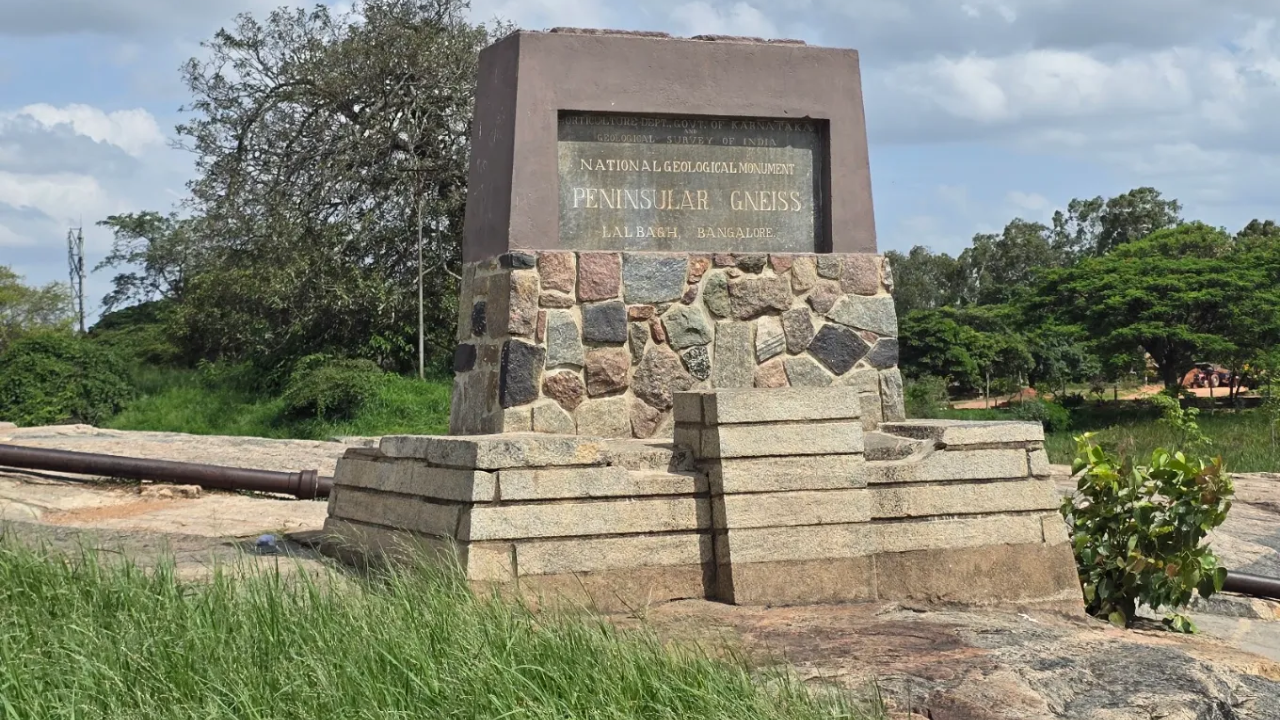
The Lalbagh Rock is estimated to be between 3.0 and 3.4 billion years old.
The rock is often mistaken for granite, but a TOI report explains that it is part of an ancient complex of metamorphic and granitic rocks known as Peninsular Gneiss. It was formed when older rocks were buried deep underground and subjected to enormous heat and pressure. The rock had to be changed by geological processes that took place at temperatures of over 600°C. The pressure and heat changed the minerals inside it and created the light and dark bands that can still be seen on the rock today. Scientists have been able to estimate its age by using zircon crystals found in the rock. These crystals can survive extreme geological conditions and hold chemical information that allows investigators to work out when the rock was formed.
The rock has not always been where Bengaluru is
There is another reason the Lalbagh Rock is interesting: the land it sits on has moved over geological time. The region that is now southern India was once part of the ancient supercontinent Gondwana. According to The Economic Times, around 300 million years ago, this land was part of Gondwana, which extended towards what is now Antarctica. Slow tectonic movements later carried the land northwards over millions of years.So, while the rock itself did not travel independently, the landmass on which it sits moved as tectonic plates shifted.
The rock also has a human history
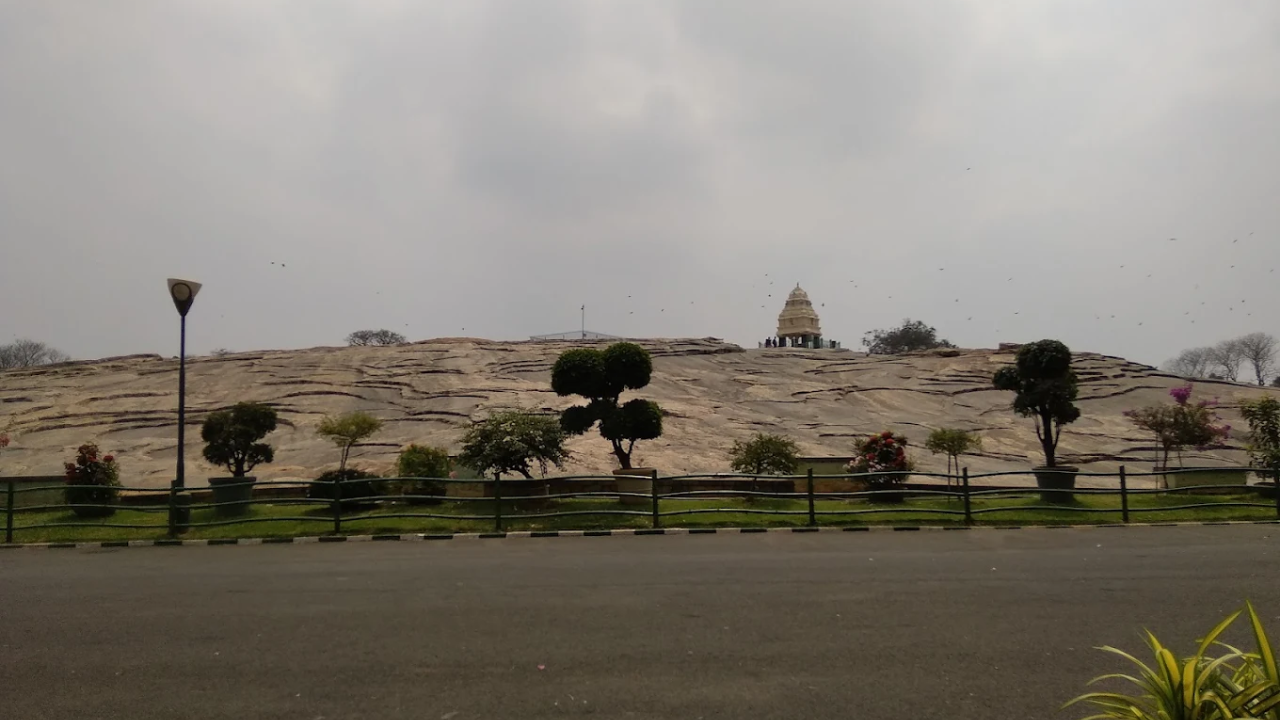
The controversy has already led the Karnataka government to reconsider the legislation.
The Lalbagh Rock’s story is not limited to geology. Excavations near the outcrop in 1932 reportedly uncovered prehistoric burial sites. According to media reports, archaeologists found large pottery urns associated with a local burial tradition. The rock is also linked to the early history of Bengaluru. In 1537, Bengaluru founder Kempe Gowda selected the hillock as the location for one of four watchtowers that marked the boundaries of the city he was establishing.The geological landmark therefore predates Bengaluru by billions of years, but it later became part of the city’s own history.
The rock also supports a small ecosystem
According to media reports, soil and moisture collect in cracks in the rock, allowing grasses, mosses and lichens to grow. The rock also provides habitat for the Peninsular rock agama, a lizard that blends with the rocky surface. The report noted that graffiti and plastic waste have also emerged as threats to this fragile ecosystem.
Why is the Lalbagh Rock in the news now?
The latest controversy is about the future of Lalbagh and other protected green spaces in Bengaluru. The Karnataka legislature passed the Karnataka Government Parks (Preservation) (Amendment) Bill, 2026, which allows the state to alienate up to 5% of the total area of a government park or garden for specified public utility projects. The amendment has triggered protests from citizens, environmental groups and opposition leaders.The issue has become particularly contentious because of the proposed 17-km Hebbal-Central Silk Board Twin Tunnel Road.According to The New Indian Express, the proposed project envisages ramps and allied infrastructure within the Lalbagh premises. The project includes an exit ramp on the Wilson Garden side and an entry ramp from the Ashoka Pillar side, with experts estimating that around six acres could be required for ramps, shafts and utility works.The government has indicated that the tunnel would bypass the ancient rock. However, concerns remain about the possible impact of tunnelling and associated ramps and infrastructure on Lalbagh’s geological and ecological features. The issue has also prompted calls for greater scrutiny of the project and its impact on the garden.
Why did people hug the ancient rock?
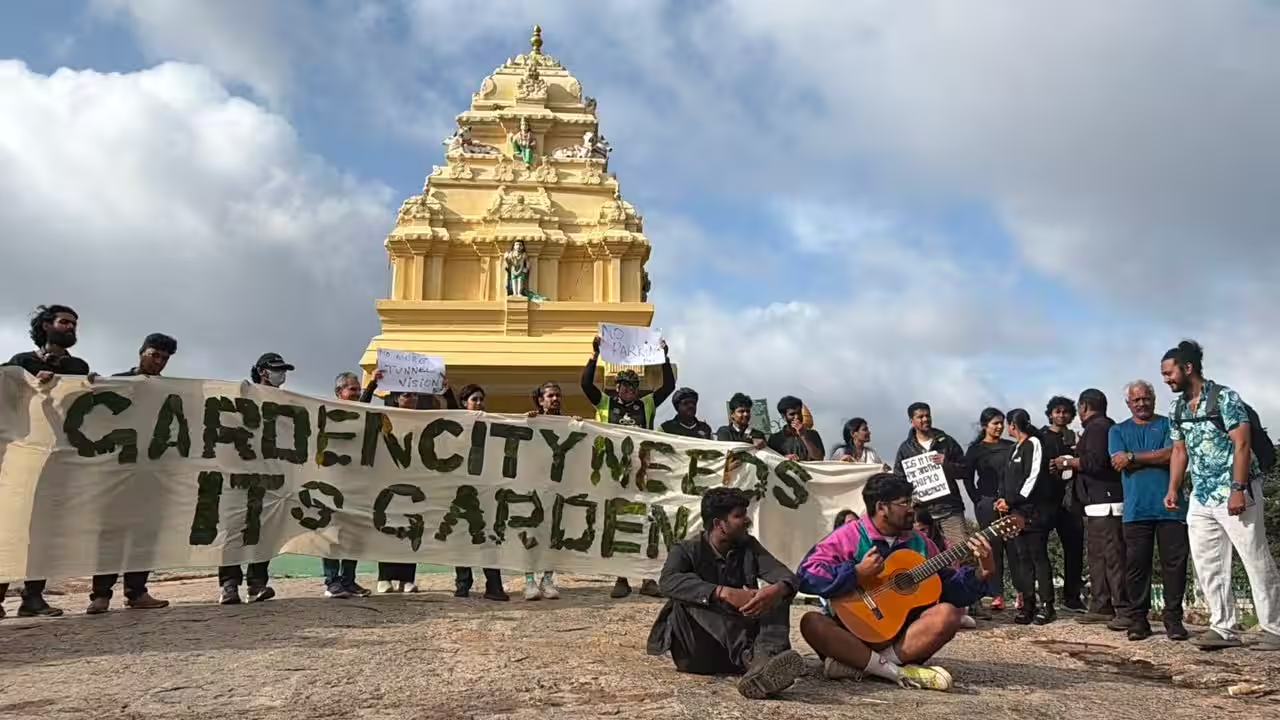
Thousands of citizens marched from the Lalbagh gates towards the rock, where they formed a human chain and hugged it.
The Lalbagh Rock became a symbol of the protest. Thousands of citizens marched from the Lalbagh gates towards the rock, where they formed a human chain and hugged it while carrying banners saying ‘Save Lalbagh.’The protest was led by 91-year-old retired IFS officer A.N. Yellappa Reddy, and Bengaluru MPs including Shobha Karandlaje, C.N. Manjunath, P.C. Mohan and Tejasvi Surya participated. The protesters demanded that the proposed tunnel road ramps near Lalbagh be abandoned and opposed the provision allowing up to 5% of parkland to be used for infrastructure.
What happens to the 5% parks provision now?
The controversy has already led the Karnataka government to reconsider the legislation. Chief Minister D.K. Shivakumar said the government would reintroduce the Parks Bill during the winter session of the state legislature, likely in November-December, giving the Opposition an opportunity to debate it. He also said he was open to suggestions from the Opposition and the public and would revisit the legislation in the larger public interest.


