
Duane ‘Keffe D’ Davis convicted of first-degree murder in orchestrating 1996 killing of rap icon Tupac Shakur

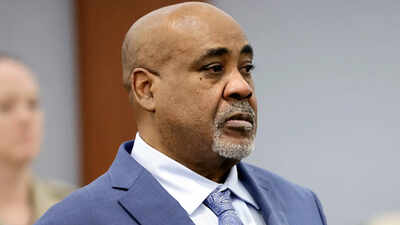
A jury convicts Duane ‘Keffe D’ Davis of first-degree murder in orchestrating the 1996 killing of rap icon Tupac Shakur.The verdict comes nearly 30 years after Shakur was fatally shot in a drive-by shooting near the Las Vegas Strip. Davis was convicted after a trial that featured nine days of testimony from detectives, former gang associates and documentarians who revisited the circumstances surrounding the rapper’s death.
Jury convicts Duane Davis of first-degree murder
As per reports, Davis is the only person to have been charged in Shakur’s killing. He now faces the possibility of life in prison.
Prosecutor says Davis has admitted responsibility
During closing arguments, Chief Deputy District Attorney Binu Palal told jurors to find Davis guilty, arguing that he had repeatedly admitted responsibility for Shakur’s murder. Palal pointed to four statements made by Davis that prosecutors relied on during the trial: a 2008 proffer interview with federal law enforcement, a 2009 interview with Las Vegas police, a 2017 Death Row Chronicles interview and Davis’ 2019 memoir, Compton Street Legend.
Prosecutor shows jurors book excerpts
As reported by AP, prosecutors also presented excerpts from the memoir, including the line: “Them jumping on my nephew gave us the ultimate green light to do something to their asses.”Palal rejected the defence argument that Davis had been lying about his involvement, telling jurors that no witness had testified that he was lying. He also cited former detective Daryn Dupree’s testimony that he believed Davis was telling the truth because he would not have implicated his own nephew in the shooting if his account were fabricated.
Prosecutor says Davis benefited from telling the truth
According to Palal, Davis had an incentive to be truthful during his 2008 proffer interview, which was conducted as part of an agreement that could have helped him avoid a life sentence. The prosecutor also argued that he repeatedly corrected investigators when they presented information he believed was inaccurate.Palal told jurors that Davis’ statements were inconsistent with someone attempting to fabricate a story, arguing that he could have portrayed himself merely as a witness rather than making statements that could expose him to criminal liability for the murder.


