
At 92, she couldn’t remember her family but music brought back forgotten memories

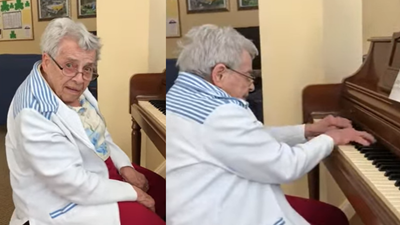
At 92, Elaine Lebar’s short-term memory had deteriorated to the point where she often struggled to remember people around her. But when she sat at a piano, something remarkable happened: music that seemed lost to her conscious memory could still return. According to Classic FM and Brooklyn College, Lebar was a former composer and music teacher living with dementia when videos of her playing Beethoven’s “Moonlight Sonata” drew widespread attention in 2020. Her story became a striking example of something researchers and dementia-care professionals have observed for years: musical memories can remain accessible even when other forms of memory become severely impaired.
The woman who still knew the piano
Lebar was not someone who had casually learned to play music in old age. She began playing the piano when she was just three years old. She later studied music at Brooklyn College and the University of Missouri and went on to work as a composer and music teacher. She also composed piano and vocal pieces during her career.But around a decade before the viral videos emerged, Lebar began showing signs of dementia. By 2017, she had moved into a memory-care facility in Buzzards Bay, Massachusetts. Her short-term memory had become severely affected. According to her daughter, Randi Lebar, her mother could struggle to remember whether she had received a visit that day or recall the names of people around her. Yet the piano remained different.‘I don’t know it’In one of the videos recorded by her daughter, Randi asks Elaine to play Beethoven’s famous “Moonlight Sonata.” Elaine initially says she does not know the piece. Then she begins playing. Her fingers move across the keys with remarkable confidence, producing the third movement of Beethoven’s composition despite her apparent inability to consciously recall it.The video, originally recorded in 2019 and later shared on TikTok during the pandemic, attracted millions of views. Brooklyn College reported that it showed something particularly striking about Lebar’s condition: although her short-term memory had been badly affected, her musical ability remained deeply embedded.Her daughter described it simply: her mother had significant dementia, but “life makes sense to her at the piano.”
Why can music survive when other memories fade?
The phenomenon is not quite as mysterious as it first appears. Music engages several parts of the brain at once, involving memory, emotion, movement and auditory processing. Musical memories can therefore be stored and accessed differently from some forms of everyday memory.
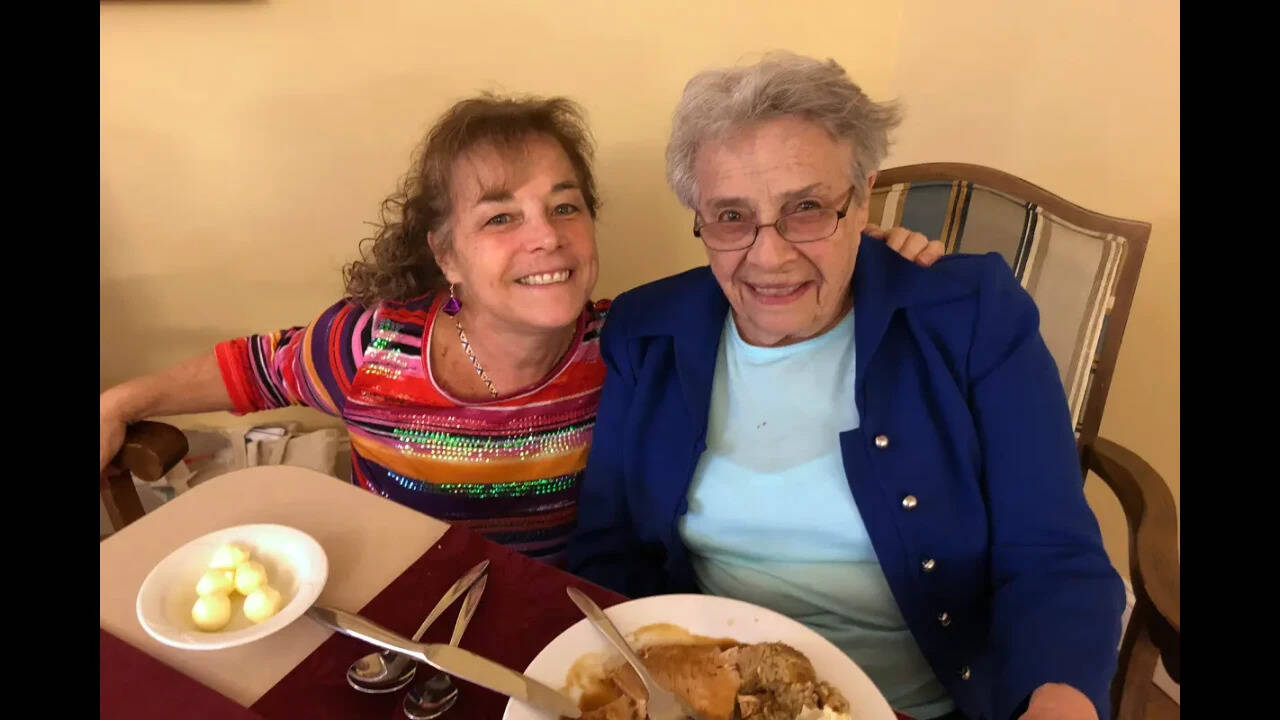
That does not mean music can cure dementia or restore someone’s overall memory. Instead, familiar songs and musical routines can sometimes act as powerful cues, helping a person access emotions, movements or memories that appear difficult to retrieve through ordinary conversation.This is one reason music has become increasingly important in dementia care. For someone who once spent decades practising an instrument, playing may also involve procedural memory, the type of memory associated with learned skills and habits. Such abilities can sometimes remain accessible even when a person’s ability to recall recent events or recognise people has declined.
The pandemic made her story even more poignant
Lebar’s videos emerged during the COVID-19 pandemic, when restrictions prevented many families from visiting relatives in care facilities. Her daughter had been unable to see her mother for months. When she was finally able to visit, she recorded Elaine playing. The videos became a way not only of sharing her mother’s musical ability but also of highlighting what dementia can take away, and what it may leave behind.In one later visit, Randi noticed that her mother struggled more with Debussy’s “Clair de lune”, making her realise how much had changed in the months they had been apart. The piano, however, continued to provide a familiar language.


