
11,000-year-old sculpture of human seated on leopard found on a stone bench at Karahantepe in Türkiye reveals unique Neolithic art | World News

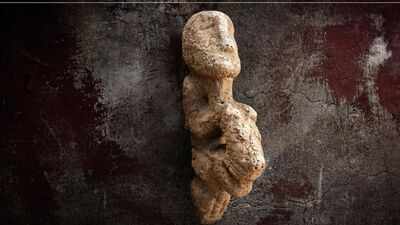
Archaeologists in southeastern Türkiye have unearthed an unusual 11,000-year-old stone sculpture showing a human figure seated on a leopard, offering a rare glimpse into the artistic world of one of the world’s earliest settled communities. Archaeologists found the 70-centimetre-high figure at Karahantepe during the excavation period. The discovery is striking as the sculpture was found on a stone bench running along the wall of a circular structure about three metres across. According to T.C. Kültür ve Turizm Bakanlığı (Ministry of Culture and Tourism of the Republic of Turkey), Culture and Tourism Minister Mehmet Nuri Ersoy described the sculpture as a unique work with a style not previously seen at Karahantepe, saying the discovery could open the door to new questions about the earliest periods of human history. The discovery adds to growing evidence of the advanced artistic and architectural traditions that developed in the region during the Neolithic period, thousands of years before the emergence of cities and writing.
11,000-year-old Karahantepe sculpture shows a human seated on a leopard
As reported, archaeologists found the 70-centimetre-high sculpture during the 2026 excavations at Karahantepe. The sculpture stands 70 centimetres high and depicts a person sitting on a leopard’s back. Archaeologists found the sculpture inside the structure, where it dates to around 11,000 years ago. The sculpture was found on a bench built along the wall of a circular structure about three metres in diameter. The ministry described the sculpture as unique, noting that its artistic style had not been seen before at Karahantepe. Its discovery within the structure also provides archaeologists with important context for studying the work and the setting in which it was placed.
How Karahantepe offers a glimpse into the Neolithic period
Karahantepe belongs to a wider group of Neolithic settlements in southeastern Türkiye dating back to 11,000 years ago. During this period, communities were moving away from mobile hunter-gatherer lifestyles towards more settled ways of living. The archaeological record from the region includes large structures and sophisticated art, showing that people were developing complex social and ritual practices long before cities or writing appeared. A human figure seated on a leopard makes the sculpture particularly striking, although its original meaning cannot be established from the image alone.
Where was the 11,000-year-old sculpture found
The setting in which the sculpture was found adds important context to the discovery. It was found on a bench running along the wall of a circular structure rather than in soil. The structure measured about three metres in diameter. Its position within the structure provides important archaeological context for the finding. The relationship between the sculpture and the surrounding space may help researchers examine how it was positioned and what role it may have played. Its exact purpose, however, remains unclear.
Why the human-and-leopard sculpture raises new questions
Karahantepe is helping archaeologists build a fuller picture of the Neolithic period and the people who lived in the region thousands of years ago. The site has produced substantial structures and a range of artworks, adding to the archaeological record of this early period. The newly discovered sculpture adds another unusual example, combining a human figure with a leopard. Its meaning remains uncertain, and the sculpture should not be taken as evidence that people rode or domesticated leopards.


