
Rooftop solar (RTS) systems under the PM Surya Ghar scheme. Photo credit : PTI NEW DELHI: As the number of households installing rooftop solar (RTS) systems under the PM Surya Ghar scheme rises and renewable energy capacity increases, govt has decided to track how much electricity these systems are actually generating, with inverter makers required to share daily generation data with the national portal.The move could give govt, for the first time, a system to monitor the performance of individual RTS installations rather than merely track the capacity added under the scheme.Under new guidelines issued by the ministry of new and renewable energy, inverter manufacturers will have to provide daily cumulative generation data through an API to the national portal, mapped to the device’s serial number. The guidelines also require applications, monitoring and control servers and cloud-hosted data linked to inverter systems to be located in India.The data could help govt assess how much electricity rooftop systems are actually generating and identify under-performing installations. It could also allow generation to be analysed across states and power distribution companies (discoms), providing a clearer picture of the energy benefits being delivered by the scheme.A govt-appointed Expert Committee on Energy Statistics also flagged the absence of comprehensive data on electricity generated and consumed by decentralised renewable energy systems in a recent report. Currently, more than 44 lakh RTS systems have been installed under the PM Surya Ghar Muft Bijli Yojana (PMSGMBY), benefiting over 52 lakh households and adding 15.6 GW of solar capacity.The committee noted that electricity generated by rooftop solar systems is often consumed at the premises and does not pass through the grid, leaving it outside conventional electricity supply statistics. It said generation, export and self-consumption data from rooftop systems are not uniformly recorded or aggregated by discoms and recommended mandatory collection and reporting of such data to improve the accuracy of India’s electricity statistics.“Electricity generated from many of these systems is already metered. However, these meter readings are either not visible to the discoms or, even if they are visible, the readings are not recorded systematically and reported,” the committee said.Alekhya Datta, director, electricity and renewables division, TERI, said national-level centralised monitoring of electricity generation from rooftop solar systems would have multiple benefits. “If electricity distribution companies have data on electricity generated by rooftop solar plants (behind the meter) in their respective areas and the units consumed by consumers, they will be able to plan their power purchases accordingly,” Datta said.Join conversationView All Comments →Share your thoughts in the commentsInsightfulAgreeDisagreeSkepticalConcerningPromisingWorth ReadingBig DevelopmentPost CommentBe respectful · TOI community guidelines “The amount of electricity generated by RTS plants will also give an indication of the quality of the system, and this attribute can be used in a vendor rating system as well as help improve operations and maintenance. Consumers, too, will get a sense of satisfaction from knowing their contribution to the environment.”Though the ministry has asked all inverter companies to share daily generation data, Datta said only around 15 per cent of inverters currently have the capability to share it through APIs. The govt is also yet to create an integrated dashboard where the data can be collated.Get the latest India News and Live updates. Download the TOI app.About the AuthorAtul MathurAtul Mathur is a Senior Assistant Editor at The Times of India with over 27 years of experience in journalism. Based in Delhi, he has spent much of his career reporting on governance, public policy and politics, churning out researched, data-driven stories that impact daily lives. Atul is known for investigative depth and strong human-interest narratives as he strives to bring clarity and context to complex issues. He currently tracks the energy sector, writing on power, renewable energy, coal and mines.Read MoreEnd of ArticleFollow Us On Social MediaVideos’Ram-Ram Inside, Fish Feast Outside’: Yogi Adityanath Slams Cong Over Ayodhya Event; Ajay Rai ReactsDisplaced By Ken-Betwa Project, Tribals Now Struggle For Basic Amenities | ExclusiveIn Leaked Audio, Lawrence Bishnoi’s Aide Goldy Brar Claims He Killed Hardeep Nijjar In Canada‘Watching Your Every Move’: Fresh Threat Letter Targets Kashmiri Pandits In J&KChennai Murder Mystery: Woman’s Remains Found on Tamil Nadu Express, Police Hunt Couple in Odisha’No Full Press Conference’: US Envoy Gor On India’s ‘No Questions’ Request Before Modi-Trump Meet‘Represented India In 3 Nations’: Former Envoy Flags ‘Trouble Establishing Citizenship’ During SIRJaish Rebuilds Bahawalpur Complex Struck By India During Op Sindoor’India Can Attract Global Talent With Your Help’: PM Modi Meets Space Startups On National Space DayDelhi Cops Attacked With Chilli Powder & Bricks In Mukundpur; 17-Year-Old Arrested123PhotostoriesSreeleela’s fish-cut saree just gave traditional draping a seriously savage upgrade10 beautiful baby girl names that capture a sense of wonderOptical Illusion personality test: What you spot first reveals the weak spot in your love lifePriyanka Chopra’s architectural black gown just proved that red-carpet glam needs a little more attitude10 of the world’s most colourful birds to see in the wildBlood sugar running high despite cutting back on sweets? Doctors explain 5 nutrients that may help your body manage glucose better‘She believed in the old nuskhas’: Karisma Kapoor reveals her grandmother’s skincare secret that the Kapoor clan adoptedArchana Puran Singh’s son Aaryamann Sethi set to buy his first luxurious house; tells Parmeet, ‘Your son is becoming a man’Kiara Advani’s black velvet saree is proof that gothic glam looks better with a desi twistFrom water filters to kitchen bowls: 5 practical uses of coconut shell123Hot PicksTCS laptop monitoring softwareSchool holiday todayKPMG AustraliaTrump tariffIOB LBO recruitmentNEET UG 2026Parandur airportSIM card rulesNEET PG 2026 admit cardTop TrendingMumbai Auto Driver ProtestReservation Hatao AndolanKurukshetra MurderPunjab SIRCM VijayDelhi ITO AccidentChennai MurderGodhani Water Plant Gas LeakAmravati Hospital FireAston Martin Crash

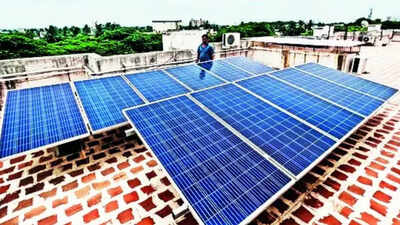
NEW DELHI: As the number of households installing rooftop solar (RTS) systems under the PM Surya Ghar scheme rises and renewable energy capacity increases, govt has decided to track how much electricity these systems are actually generating, with inverter makers required to share daily generation data with the national portal.The move could give govt, for the first time, a system to monitor the performance of individual RTS installations rather than merely track the capacity added under the scheme.Under new guidelines issued by the ministry of new and renewable energy, inverter manufacturers will have to provide daily cumulative generation data through an API to the national portal, mapped to the device’s serial number. The guidelines also require applications, monitoring and control servers and cloud-hosted data linked to inverter systems to be located in India.The data could help govt assess how much electricity rooftop systems are actually generating and identify under-performing installations. It could also allow generation to be analysed across states and power distribution companies (discoms), providing a clearer picture of the energy benefits being delivered by the scheme.A govt-appointed Expert Committee on Energy Statistics also flagged the absence of comprehensive data on electricity generated and consumed by decentralised renewable energy systems in a recent report. Currently, more than 44 lakh RTS systems have been installed under the PM Surya Ghar Muft Bijli Yojana (PMSGMBY), benefiting over 52 lakh households and adding 15.6 GW of solar capacity.The committee noted that electricity generated by rooftop solar systems is often consumed at the premises and does not pass through the grid, leaving it outside conventional electricity supply statistics. It said generation, export and self-consumption data from rooftop systems are not uniformly recorded or aggregated by discoms and recommended mandatory collection and reporting of such data to improve the accuracy of India’s electricity statistics.“Electricity generated from many of these systems is already metered. However, these meter readings are either not visible to the discoms or, even if they are visible, the readings are not recorded systematically and reported,” the committee said.Alekhya Datta, director, electricity and renewables division, TERI, said national-level centralised monitoring of electricity generation from rooftop solar systems would have multiple benefits. “If electricity distribution companies have data on electricity generated by rooftop solar plants (behind the meter) in their respective areas and the units consumed by consumers, they will be able to plan their power purchases accordingly,” Datta said.
Share your thoughts in the comments
Be respectful · TOI community guidelines
“The amount of electricity generated by RTS plants will also give an indication of the quality of the system, and this attribute can be used in a vendor rating system as well as help improve operations and maintenance. Consumers, too, will get a sense of satisfaction from knowing their contribution to the environment.”Though the ministry has asked all inverter companies to share daily generation data, Datta said only around 15 per cent of inverters currently have the capability to share it through APIs. The govt is also yet to create an integrated dashboard where the data can be collated.


