
Couple in their 70s buy abandoned 160-year-old Cotswolds church for £175,000 as retirement project after leaving London, spend £370,000 renovating and now it’s worth £700,000

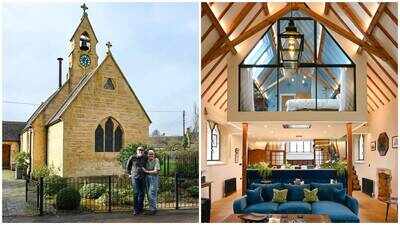
When retired designer Geoff Bolam and his wife Julie moved from London to the Cotswolds, they were looking for a slower pace of life. Instead, the couple ended up taking on one of the biggest design projects of Geoff’s career, transforming a derelict 160-year-old church into a stylish two-bedroom holiday home now valued at around £700,000.The Old Mission Church, located in the village of Paxford in Gloucestershire, was purchased by the couple in 2018 for £175,000 through a sealed-bid auction. What followed was a three-year transformation involving planning battles, conservation restrictions, structural problems and a complete overhaul of the historic building.
From Victorian church to contemporary home
The building first opened in 1866 as a children’s school before becoming an official house of prayer a year later. It served the local community for more than a century but was eventually disused.Geoff, who previously ran a design company in London for nearly two decades, saw potential in the neglected building when a neighbour told him it was going up for auction.“I went and had a little look around that weekend. Had a little [think] and thought it looked interesting and that maybe it would work,” he told the Daily Mail.The couple had originally planned to buy a small property to use as a holiday let. After seeing the church, Geoff sketched out some ideas and submitted a bid. They were later informed that they had won.
Planning permission proved to be the first challenge
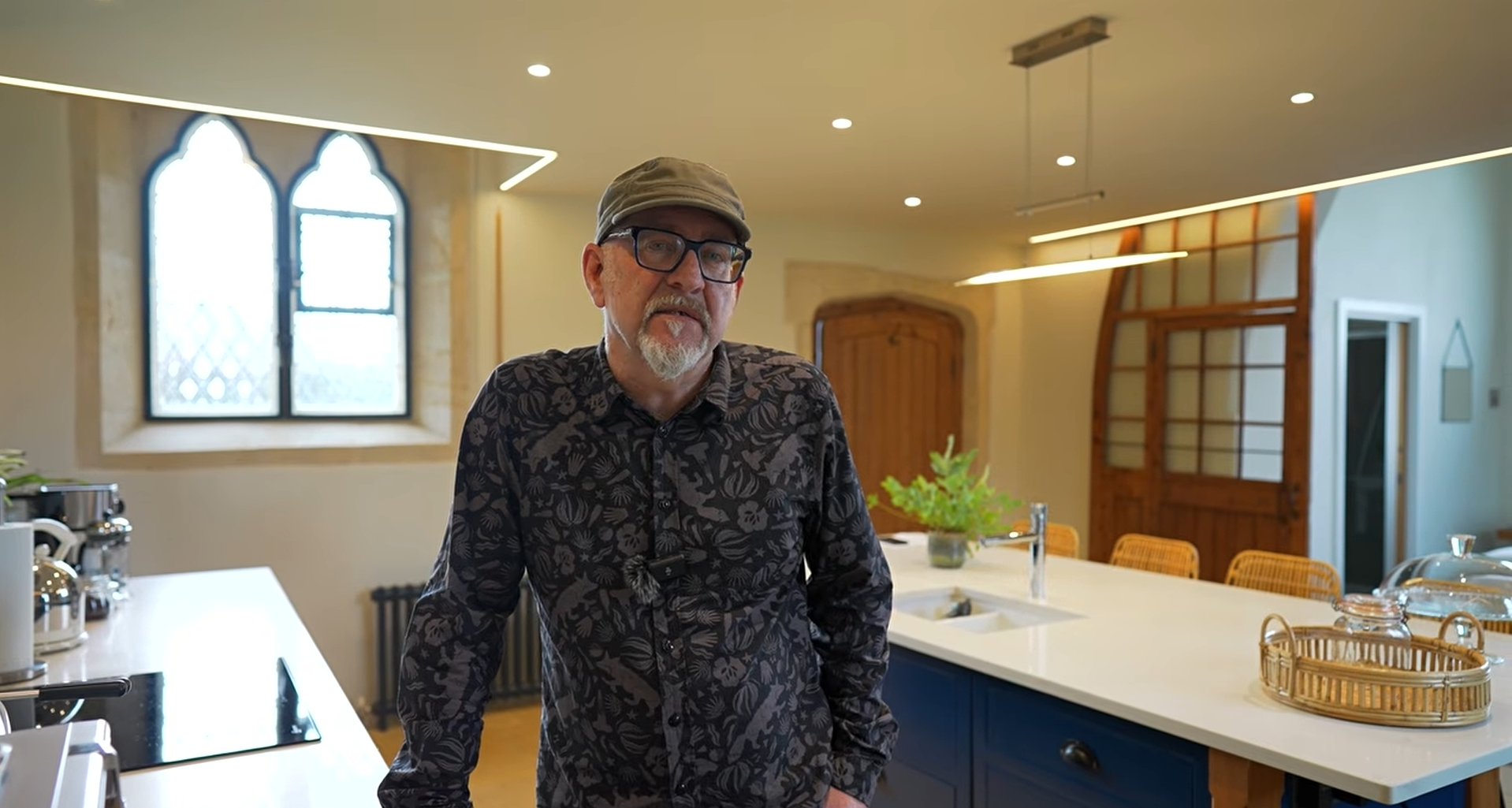
After buying the 160-year-old church for £175,000, the couple spent £370,000 transforming it into a cosy two-bedroom holiday home in the Cotswolds. (Photo: HomeInspire UK)
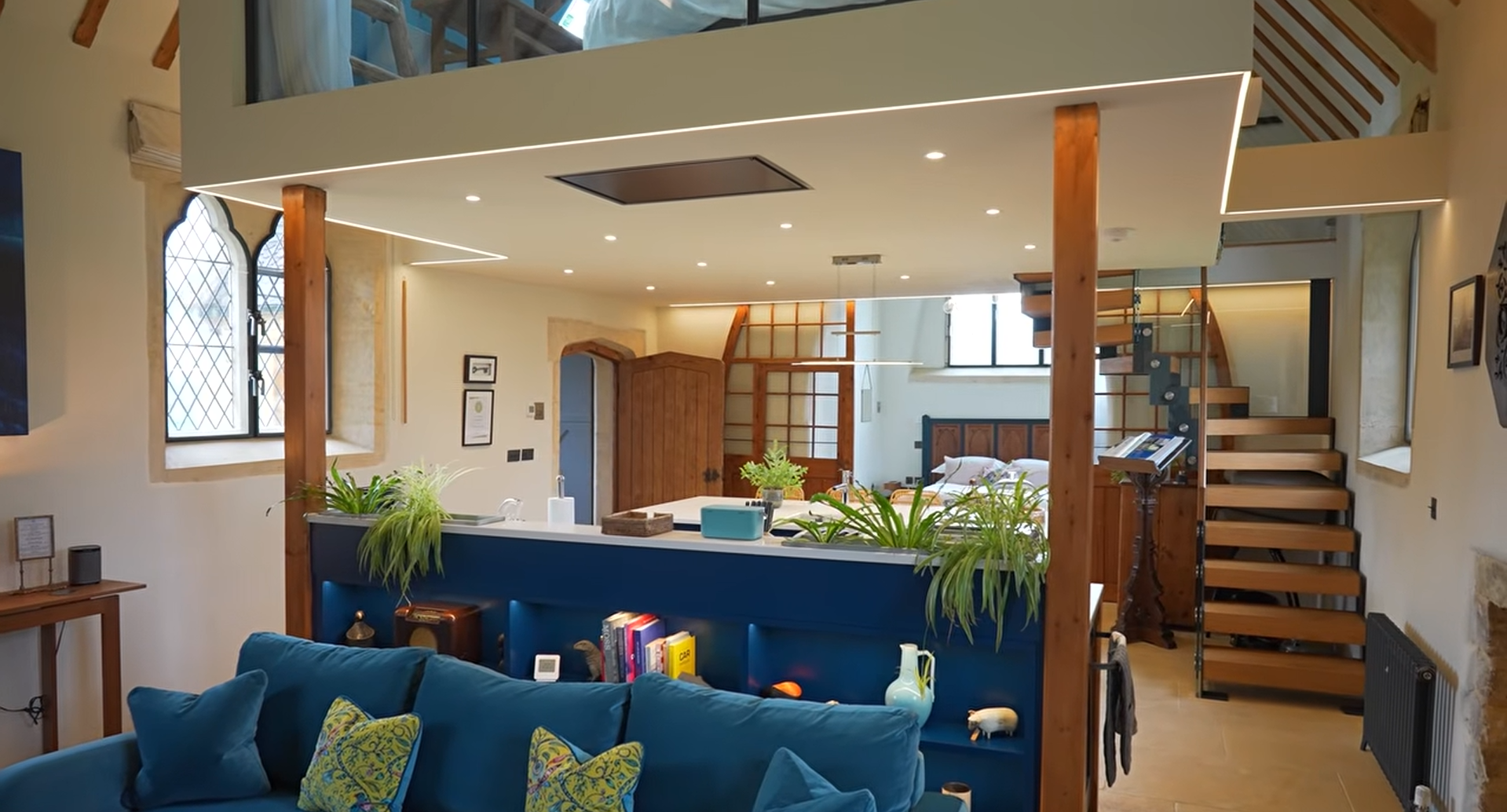
Buying the building turned out to be the easy part. The former church did not have permission to be used as a home, while its status as a non-listed heritage asset meant the couple had to work closely with conservation officials.One of their first major hurdles was securing a change of use from a church to a dwelling.“We also had to have a fallback plan. We thought, ‘Well, if we can’t get permission to convert it to a house, what could we do instead?’ And so we had to come up with a plan B, turn it into an art gallery or something of that sort,” Geoff said.The planning process took around two years and involved working with a conservation officer and changing several aspects of the original design.The couple initially wanted to install roof lights to bring more natural light into the property, but the conservation officer objected because they would have been visible from the road.The interior layout also had to be redesigned. A proposal to create a bedroom in the church’s chancel would have required a large partition that officials believed would compromise the character of the historic space.A second architect eventually developed a new plan featuring a suspended glass bedroom pod, with the living area beneath it and a kitchen at the rear of the building.
Hidden structural problems added to renovation costs
The renovation uncovered rising damp, rotten roof timbers and structural problems, forcing the couple to excavate floors, rebuild parts of the roof and use breathable lime plaster. (Photo: HomeInspire UK)
Even after planning permission was secured, the couple discovered that the building had significant problems hidden beneath its historic exterior.One of the biggest issues was rising damp. The original wooden floor had been replaced with concrete, which had trapped moisture and pushed it into the stone walls.The concrete floor had to be removed back to the earth, while cement-based pointing and old internal render were replaced with breathable lime materials.The roof presented another major challenge. Geoff initially believed the existing roof covering could be retained while a new ceiling was installed. However, the team discovered that the ceiling was integral to the roof structure and that removing it could cause the tiles to fall.Once the roof was opened, rotten timbers were found, forcing parts of it to be reconstructed and completely retiled. The couple managed to preserve almost all of the original tiles but still had to source additional ones to meet modern regulations.
Geoff saved £20,000 by managing the project himself
The renovation was largely carried out by a local building company, but Geoff personally handled around 5% to 10% of the work, including decorating.His biggest saving came from taking responsibility for project management, which he estimates saved around £20,000.“I was there all day, every day, keeping an eye on things, dealing with questions, making sure supplies were arriving when they needed to, sourcing materials,” he said.Geoff acknowledged that managing a major renovation personally was almost a full-time job but said it was an effective way to reduce costs.
£545,000 investment turns into £700,000 property
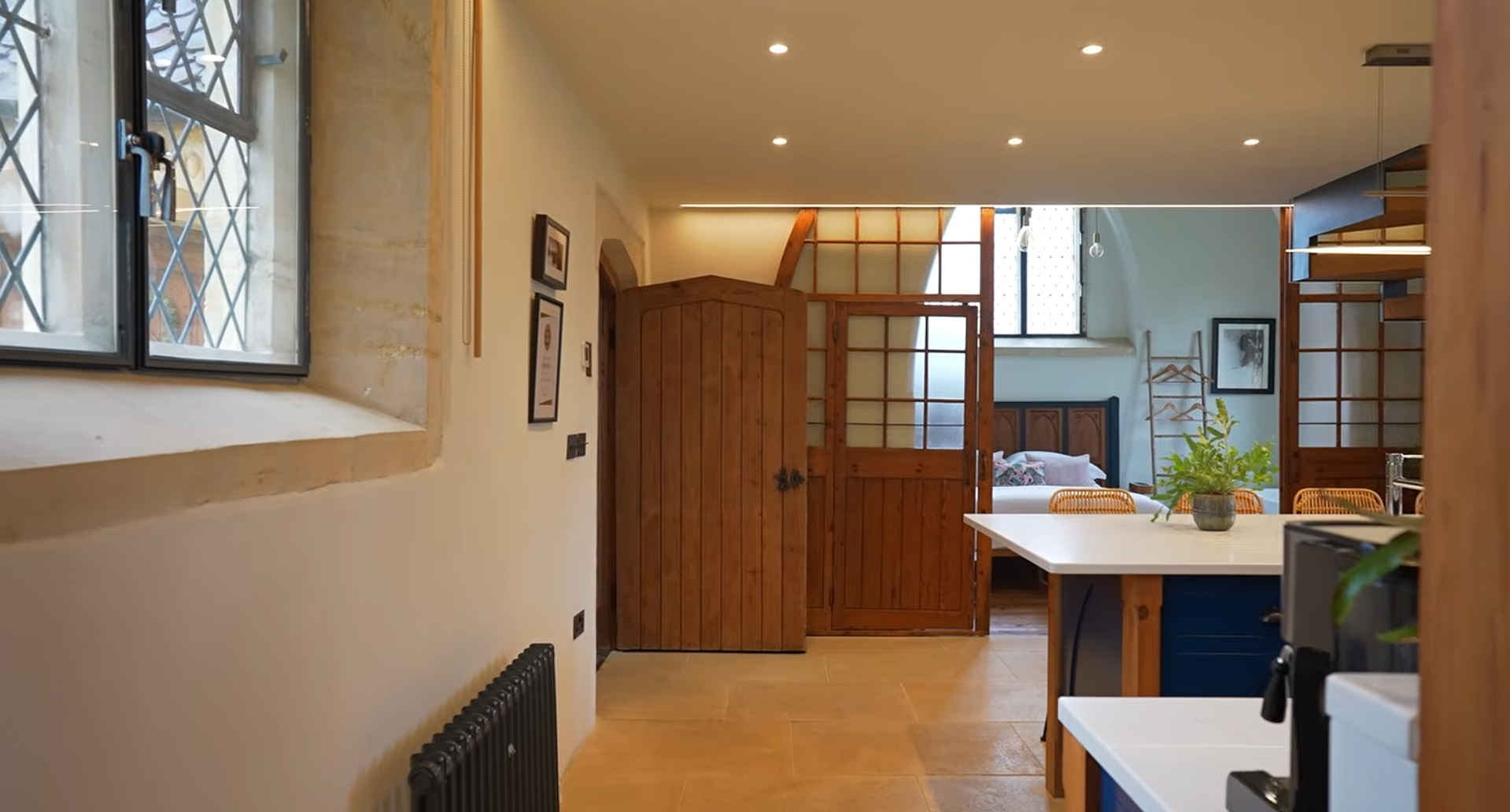
The former church now features a dramatic nave, suspended glass bedroom pod, sleek kitchen, two luxury bathrooms and restored Victorian details. (Photo: HomeInspire UK)
The entire transformation took around three years. The first two were spent on design and planning, followed by just over a year of construction.The church cost £175,000 to purchase, while the renovation cost approximately £370,000, taking the couple’s total investment to around £545,000.When the work was completed in October 2021, the property was valued at approximately £700,000.The former church is now a contemporary two-bedroom holiday rental featuring a dramatic nave, two bathrooms, a sleek kitchen, restored Victorian details and the distinctive suspended mezzanine bedroom pod.
Holiday home has welcomed hundreds of guests
The property opened for bookings in November 2021 and has since received 276 bookings and around 750 guests, along with 213 dogs.“We are very dog friendly!” Geoff said.The holiday home has received overwhelmingly positive reviews, including five-star feedback from guests. It also won Best Boutique Stay in Gloucestershire and Worcestershire at the 2025 Muddy Stilettos Awards.Weekend stays cost around £850 during the low season and approximately £1,100 during peak periods.Geoff said guests frequently react with surprise when they first enter the property.“Usually the thing you hear when [guests] walk in the door is ‘Wow’. They’ll say, ‘Oh, it looks even better than it does in the photos,’” he said.
‘We kind of saved a building’
For Geoff, however, the most satisfying part of the project is not its £700,000 valuation or its award-winning interiors. It is preserving a piece of local history.“We kind of saved a building that was in pretty poor state of repair,” he said.Although the renovation required a significant financial and personal investment, Geoff believes the work has given the historic church another century of life.“So we think now the church has got another 100 years or so of life in it. We’re quite proud of that,” he added.


