
Mines secretary Keshav Chandra sai.d the initial focus will be on lithium and nickel NEW DELHI: Aiming to bring greater transparency to the trading of major minerals and improve price discovery, govt has decided to allow their trading on an exchange, which is likely to become functional by the next financial year.The ministry of mines has notified the rules, and the Indian Bureau of Mines has been appointed the nodal agency and regulator to invite applications from companies willing to run the exchange. The exchange is initially likely to allow trading in some of the major minerals, including iron ore, bauxite, limestone and manganese.The ministry of coal has separately notified rules to set up an exchange for trading in coal and appointed the Coal Controller Organisation as the regulator. The CCO has invited applications from companies to set up an exchange.According to officials, the minerals exchange is expected to improve market access and reduce disputes over quality, pricing and contract terms. The rules require mineral quality to be verified by accredited assaying agencies and provide for market surveillance to check manipulation, cartelisation and insider trading. The exchange will operate through a centralised electronic platform and facilitate physical delivery-based contracts, providing a transparent and competitive mechanism for pricing and mineral supplies, officials said.Separately, govt has planned to set up four dedicated critical minerals processing parks in Andhra Pradesh, Odisha, Gujarat and Maharashtra. Coal and mines minister G Kishan Reddy said the four states will provide land and announce incentives for companies to set up processing industries at the critical minerals parks, while the Centre will provide technical support.Join conversationView All Comments →Share your thoughts in the commentsInsightfulAgreeDisagreeSkepticalConcerningPromisingWorth ReadingBig DevelopmentPost CommentBe respectful · TOI community guidelinesMines secretary Keshav Chandra said the initial focus will be on lithium and nickel, which are crucial for the battery sector. “Batteries are currently the most important component globally for future growth,” he said.The parks will focus on creating element-specific ecosystems and a complete value chain, from processing to downstream industries, at a single location.India is dependent on imports for about 95% of its critical mineral requirements. The Centre announced the National Critical Mineral Mission in 2025 with a financial outlay of Rs 34,300 crore over seven years to promote exploration within the country and at offshore locations.Critical minerals such as copper, lithium, nickel, cobalt and rare earth elements are essential raw materials for the growth of clean energy technologies.Get the latest India News and Live updates. Download the TOI app.About the AuthorAtul MathurAtul Mathur is a Senior Assistant Editor at The Times of India with over 27 years of experience in journalism. Based in Delhi, he has spent much of his career reporting on governance, public policy and politics, churning out researched, data-driven stories that impact daily lives. Atul is known for investigative depth and strong human-interest narratives as he strives to bring clarity and context to complex issues. He currently tracks the energy sector, writing on power, renewable energy, coal and mines.Read MoreEnd of ArticleFollow Us On Social MediaVideos‘Will Never Be Forgiven’: Amit Shah Slams Sonia Gandhi; BJP Lodges Complaint Over Vande Mataram RowAir India Express Passenger Booked After Pistol Goes Off At Varanasi Airport During Security Check‘Derogatory’: PM Modi’s ‘Dimaagi Naxals’ Remark Triggers Row; Congress, CJP, Left Parties Hit BackActivist Devendra Mahto Stopped From Tiranga March As Jharkhand Student Protest Escalates On I-Day‘Came From The Top’: Mahua Moitra Alleges Late-Night Pressure, Seeks Speaker Om Birla’s InterventionDid Congress Leaders Signal Stop? Viral Vande Mataram Video Sparks Political Firestorm In New DelhiIndia Signs ₹1,577 Crore Drone Deals As Army Powers Up Precision Strikes And Unmanned WarfareAjit Doval Breaks Silence On Operation Sindoor, Reveals PM Modi’s Immediate Response After PahalgamPM Modi From Red Fort: India’s Self-Reliance Push, Semiconductor Boom And Manufacturing SurgeRahul Gandhi, Kharge Skip Red Fort Event Again As Congress Flags Threats To Democratic Institutions123PhotostoriesCrocodiles survived an era that wiped out the dinosaurs: What makes them such unusual survivors?8 foods that attract insects in your kitchen without you realising itHow to remove Rahu’s negative energy according to your birth date5 things parents should never let others do to their child at a social gatheringInside Karan Kundrra and Tejasswi Prakash’s opulent Dubai home: Large balconies, a private pool and moreVaani Kapoor goes full maximalist in Mayyur Girotra’s Kutch-embroidered suit, leaving us completely obsessedHimanshi Khurana on battling depression, traumatic childhood and breakup with Asim Riaz over religious differences; says ‘I felt I was betraying God’10 unusual foods from India that tourists are often afraid to try7 Food items naturally rich in vitamin D to add to your dietStop throwing away stale bread: 7 surprisingly useful ways to use it123Hot PicksMartin Luther King JrRajasthan UCCDelhi trafficJharkhand protestEast Coast Railway GDCE recruitmentMP Class 10, 12 timetableIran warKarnataka bandhUP NEET UG counsellingTop TrendingPM ModiCM VijayBengaluru Namma MetroAsish BanerjeeManan KumarVirender Singh BasoyaJP NaddaWeather TomorrowBengaluru RapidoAbhijeet Dipke

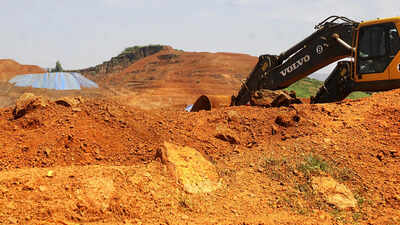
NEW DELHI: Aiming to bring greater transparency to the trading of major minerals and improve price discovery, govt has decided to allow their trading on an exchange, which is likely to become functional by the next financial year.The ministry of mines has notified the rules, and the Indian Bureau of Mines has been appointed the nodal agency and regulator to invite applications from companies willing to run the exchange. The exchange is initially likely to allow trading in some of the major minerals, including iron ore, bauxite, limestone and manganese.The ministry of coal has separately notified rules to set up an exchange for trading in coal and appointed the Coal Controller Organisation as the regulator. The CCO has invited applications from companies to set up an exchange.According to officials, the minerals exchange is expected to improve market access and reduce disputes over quality, pricing and contract terms. The rules require mineral quality to be verified by accredited assaying agencies and provide for market surveillance to check manipulation, cartelisation and insider trading. The exchange will operate through a centralised electronic platform and facilitate physical delivery-based contracts, providing a transparent and competitive mechanism for pricing and mineral supplies, officials said.Separately, govt has planned to set up four dedicated critical minerals processing parks in Andhra Pradesh, Odisha, Gujarat and Maharashtra. Coal and mines minister G Kishan Reddy said the four states will provide land and announce incentives for companies to set up processing industries at the critical minerals parks, while the Centre will provide technical support.
Share your thoughts in the comments
Be respectful · TOI community guidelines
Mines secretary Keshav Chandra said the initial focus will be on lithium and nickel, which are crucial for the battery sector. “Batteries are currently the most important component globally for future growth,” he said.The parks will focus on creating element-specific ecosystems and a complete value chain, from processing to downstream industries, at a single location.India is dependent on imports for about 95% of its critical mineral requirements. The Centre announced the National Critical Mineral Mission in 2025 with a financial outlay of Rs 34,300 crore over seven years to promote exploration within the country and at offshore locations.Critical minerals such as copper, lithium, nickel, cobalt and rare earth elements are essential raw materials for the growth of clean energy technologies.


