
File photo: CJI Surya Kant Chief Justice of India Surya Kant on Saturday said India had overcome several formidable challenges in the eight decades since Independence, but much remained to be done, urging young law graduates and lawyers to prepare themselves to shoulder the responsibilities of the future.Speaking at the national flag-hoisting ceremony organised by the Supreme Court Bar Association at the apex court premises on the occasion of India’s 80th Independence Day, Kant said the country’s achievements also brought with them a renewed sense of responsibility.“The journey of a nation does not end with what it has accomplished. Every achievement also brings with it a renewed sense of responsibility and duty. There is much that remains to be done, and many more miles to travel in our journey ahead,” he said.Several senior judges, lawyers and court staff attended the ceremony.‘Responsibility of this Bar will soon rest on your shoulders’Addressing young lawyers, Kant said the responsibility carried by the legal profession since the freedom struggle would soon pass to the next generation.“The responsibility that this Bar has carried since the days of the freedom struggle will, before long, rest on your shoulders. The institutions of justice that generations before you have built and strengthened are now yours to protect and to carry forward,” he said.He assured young lawyers that the Bar and Bench remained committed to supporting their professional growth through mentorship and opportunities.“The miles that remain are yours to walk, and we walk with you,” he added.Kant said the freedom struggle had a deep and enduring connection with law and that some of the finest legal minds of the period helped establish the idea that law should serve justice, protect liberty and uphold human dignity.He noted that Mahatma Gandhi and BR Ambedkar, whom he described as two of the greatest architects of modern India, along with Sardar Vallabhbhai Patel, Motilal Nehru, Bal Gangadhar Tilak and Lala Lajpat Rai, were lawyers.This, he said, demonstrated that the legal profession was not a bystander to India’s freedom struggle but an integral part of it.CJI highlights changing challenges for young lawyersKant said India’s legal and judicial institutions had grown and matured alongside the Republic and played an important role in shaping the country’s conscience.Turning to young lawyers, he acknowledged the difficulties of starting a legal career, saying the profession had become more competitive, the learning curve steeper and the pressure of building a practice heavier.“I personally remember the anxieties of those early years at the Bar, and I say this not to discourage our young colleagues, but because I want them to know that we see them, and we understand their challenges,” he said.At the same time, he expressed confidence in the younger generation, citing their resilience, intellect and commitment to justice.Kant said young lawyers had also grown up with technology transforming communication and access to knowledge, bringing greater adaptability to courtrooms. He also highlighted their sensitivity towards equality, inclusion and access to justice.‘Law must remain connected to lives of people’Reflecting on India’s freedom movement, the CJI said it differed from many earlier struggles against colonial rule because it was not primarily an armed insurrection.“Ours was not primarily an armed insurrection; it was instead a sustained challenge to the legitimacy of colonial rule through political movements, petitions, public debates, and, most importantly, through the language of law,” he said.Join conversationView All Comments →Share your thoughts in the commentsInsightfulAgreeDisagreeSkepticalConcerningPromisingWorth ReadingBig DevelopmentPost CommentBe respectful · TOI community guidelinesHe said the freedom movement repeatedly challenged the contradiction between colonial claims of governance through law and the denial of liberty, equality and dignity to Indians.According to Kant, that principle remains relevant today as courts provide a forum for people from different backgrounds to assert their constitutional rights, challenge arbitrary action and seek equal treatment under the law.“Courts have continued to serve as a unifying space for the litigants and members of the Bar alike,” he said.Supreme Court Bar Association president Vikas Singh and other members of the bar body also addressed the gathering.Get the latest India News and Live updates. Download the TOI app.About the AuthorTOI News DeskThe TOI News Desk comprises a dedicated and tireless team of journalists who operate around the clock to deliver the most current and comprehensive news and updates to the readers of The Times of India worldwide. With an unwavering commitment to excellence in journalism, our team is at the forefront of gathering, verifying, and presenting breaking news, in-depth analysis, and insightful reports on a wide range of topics. The TOI News Desk is your trusted source for staying informed and connected to the ever-evolving global landscape, ensuring that our readers are equipped with the latest developments that matter most.”Read MoreEnd of ArticleFollow Us On Social MediaVideosPM Modi From Red Fort: India’s Self-Reliance Push, Semiconductor Boom And Manufacturing SurgeRahul Gandhi, Kharge Skip Red Fort Event Again As Congress Flags Threats To Democratic InstitutionsPM Modi From Red Fort: India’s Self-Reliance Push, Semiconductor Boom And Manufacturing SurgePM Modi From Red Fort On 80th Independence Day: ‘India Must Dream Big And Move Forward’79 Years Of Freedom: What Do Indians Really Want From Their Country, Leaders And Democracy Now?NALSAR Row Erupts: CJI Raps BCI, As CJP Demands Resignation Of Bar Council Chief‘Why Rockets?’ Jaipur Residents Mock Potholes With Astronaut Protest After Monsoon RainsRajnath Singh Announces Rs 8.75 Lakh Crore Defence Modernisation Push on 80th Independence DayBomb Threat Email Targets Delhi Courts, Airport, Metro Ahead Of August 15; Security Checks BeginCM Vijay Urges PM Modi To Keep Lok Sabha Strength At 543, Opposes Population-Based Delimitation123PhotostoriesTrisha Krishnan keeps it classic in a mustard saree as she attends CM Vijay’s first Independence Day ceremonyBigg Boss Tamil 10 ‘The Common Man’: From contestants to telecast time, here’s everything you need to knowRashtrapati Bhavan’s Independence Day At Home reception to serve these 7 dishes from 4 Indian statesIdli to Cheela: 9 ways to add sooji to daily breakfast7 quiet dog breeds that make great companions for familiesFrom lakeside retreats to Aravalli resorts: 5 luxury escapes in and around Delhi for the Independence Day weekendRani Mukerji goes from Sabyasachi saree to power suit as she collects an Honorary Doctor of Letters from Australia’s La Trobe University10 unusual baby girl names with fascinating historical roots10 naturally tricolour Indian foods to make this Independence DayInside Ruhaanika Dhawan’s luxury home: A massive living room, elegant decor and more123Hot PicksMartin Luther King JrRajasthan UCCDelhi trafficJharkhand protestEast Coast Railway GDCE recruitmentMP Class 10, 12 timetableIran warKarnataka bandhUP NEET UG counsellingTop TrendingOil Prices TodayIndiGo Fight CancelledDelhi High Court Bomb ThreatAmbala Sikh Community ProtestManan KumarVirender Singh BasoyaJP NaddaWeather TomorrowBengaluru RapidoAbhijeet Dipke

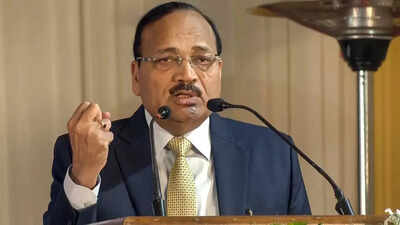
Chief Justice of India Surya Kant on Saturday said India had overcome several formidable challenges in the eight decades since Independence, but much remained to be done, urging young law graduates and lawyers to prepare themselves to shoulder the responsibilities of the future.Speaking at the national flag-hoisting ceremony organised by the Supreme Court Bar Association at the apex court premises on the occasion of India’s 80th Independence Day, Kant said the country’s achievements also brought with them a renewed sense of responsibility.“The journey of a nation does not end with what it has accomplished. Every achievement also brings with it a renewed sense of responsibility and duty. There is much that remains to be done, and many more miles to travel in our journey ahead,” he said.Several senior judges, lawyers and court staff attended the ceremony.
‘Responsibility of this Bar will soon rest on your shoulders’
Addressing young lawyers, Kant said the responsibility carried by the legal profession since the freedom struggle would soon pass to the next generation.“The responsibility that this Bar has carried since the days of the freedom struggle will, before long, rest on your shoulders. The institutions of justice that generations before you have built and strengthened are now yours to protect and to carry forward,” he said.He assured young lawyers that the Bar and Bench remained committed to supporting their professional growth through mentorship and opportunities.“The miles that remain are yours to walk, and we walk with you,” he added.Kant said the freedom struggle had a deep and enduring connection with law and that some of the finest legal minds of the period helped establish the idea that law should serve justice, protect liberty and uphold human dignity.He noted that Mahatma Gandhi and BR Ambedkar, whom he described as two of the greatest architects of modern India, along with Sardar Vallabhbhai Patel, Motilal Nehru, Bal Gangadhar Tilak and Lala Lajpat Rai, were lawyers.This, he said, demonstrated that the legal profession was not a bystander to India’s freedom struggle but an integral part of it.
CJI highlights changing challenges for young lawyers
Kant said India’s legal and judicial institutions had grown and matured alongside the Republic and played an important role in shaping the country’s conscience.Turning to young lawyers, he acknowledged the difficulties of starting a legal career, saying the profession had become more competitive, the learning curve steeper and the pressure of building a practice heavier.“I personally remember the anxieties of those early years at the Bar, and I say this not to discourage our young colleagues, but because I want them to know that we see them, and we understand their challenges,” he said.At the same time, he expressed confidence in the younger generation, citing their resilience, intellect and commitment to justice.Kant said young lawyers had also grown up with technology transforming communication and access to knowledge, bringing greater adaptability to courtrooms. He also highlighted their sensitivity towards equality, inclusion and access to justice.
‘Law must remain connected to lives of people’
Reflecting on India’s freedom movement, the CJI said it differed from many earlier struggles against colonial rule because it was not primarily an armed insurrection.“Ours was not primarily an armed insurrection; it was instead a sustained challenge to the legitimacy of colonial rule through political movements, petitions, public debates, and, most importantly, through the language of law,” he said.
Share your thoughts in the comments
Be respectful · TOI community guidelines
He said the freedom movement repeatedly challenged the contradiction between colonial claims of governance through law and the denial of liberty, equality and dignity to Indians.According to Kant, that principle remains relevant today as courts provide a forum for people from different backgrounds to assert their constitutional rights, challenge arbitrary action and seek equal treatment under the law.“Courts have continued to serve as a unifying space for the litigants and members of the Bar alike,” he said.Supreme Court Bar Association president Vikas Singh and other members of the bar body also addressed the gathering.


