
On Ahilyabai Holkar’s 231st death anniversary, let’s visit the famous temples built by her

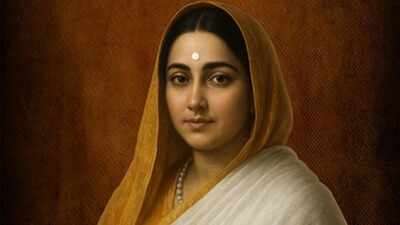
Long before Indian cinema and government cultural bodies began revisiting her legacy in earnest, Ahilyabai Holkar was quietly doing something few rulers of her era attempted: rebuilding India’s sacred geography one temple at a time, often in kingdoms far beyond her own. The 18th-century Holkar queen of Malwa ruled from her capital at Maheshwar on the banks of the Narmada and used her reign to fund the restoration and construction of temples, ghats, and rest-houses stretching from the Himalayas down to the southern tip of the country. Her contributions are well documented by Government of India’s own press releases and state tourism departments. Ahilyabai Holkar breathed her last on August 13, 1795 at the age of 70 leaving behind a legacy. On her 231st death anniversary, let’s learn about some of the most famous temples built by her.
Kashi Vishwanath Temple , Varanasi
Perhaps no single project defines Ahilyabai’s legacy more than this one. According to the Press Information Bureau, the Government of India’s official press release wing, her most notable contribution was the renovation and repair of the Kashi Vishwanath Temple in 1780, undertaken 111 years after the original structure had been destroyed. The scale of that undertaking is part of why her connection to the temple is still actively commemorated today, a statue of Ahilyabai has been installed within the Kashi Vishwanath complex itself, recognising her role in restoring one of Hinduism’s most significant pilgrimage sites.
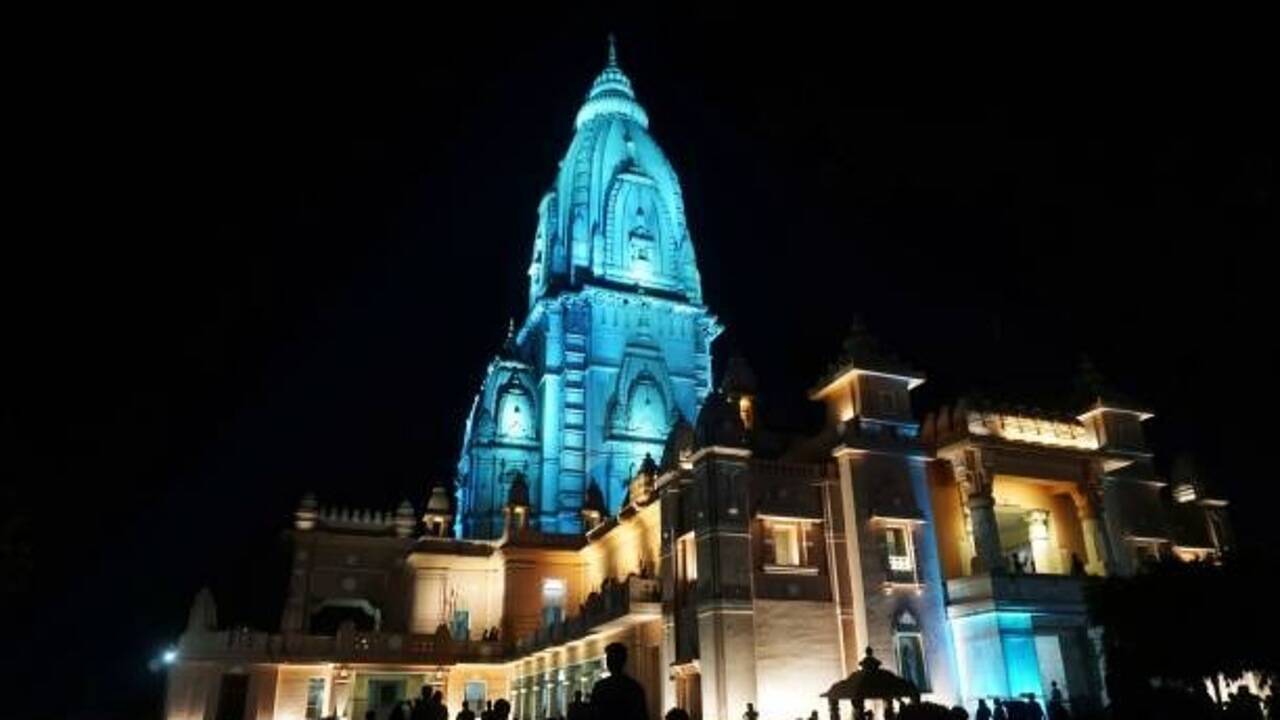
Kashi Vishwanath Temple, Varanasi
Old Somnath Temple (Ahilyabai Mandir), Gujarat
Somnath holds a similarly significant place in her story. Ahilyabai is credited with the construction of the Old, or Juna, Somnath temple in Gujarat, a structure so closely associated with her that it’s still popularly referred to as the Ahilyabai temple today. She undertook this project at a time when the original Somnath site had fallen into disrepair, and her version of the temple continued to serve pilgrims for generations until the main Somnath temple most visitors know today was reconstructed in 1951.
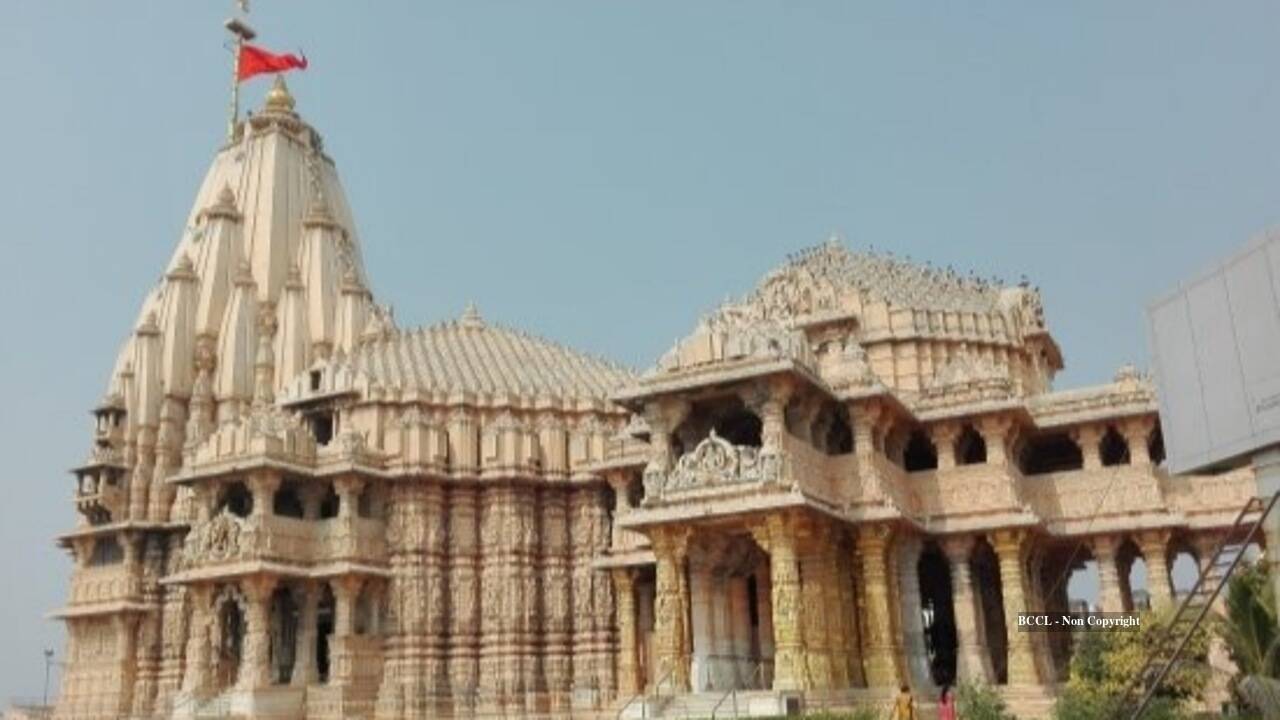
Old Somnath Temple (Ahilyabai Mandir), Gujarat
Ahileshwar Temple , Maheshwar
Within her own capital of Maheshwar, Madhya Pradesh Tourism, the state government’s official tourism department, documents a cluster of temples that Ahilyabai commissioned as part of transforming the town into a genuine centre of religion and culture. The Ahileshwar Temple stands among the notable shrines built during her rule in the city, part of what MP Tourism describes as beautifully carved shrines added to Maheshwar during her reign, alongside her palace and the fortress overlooking the Narmada.
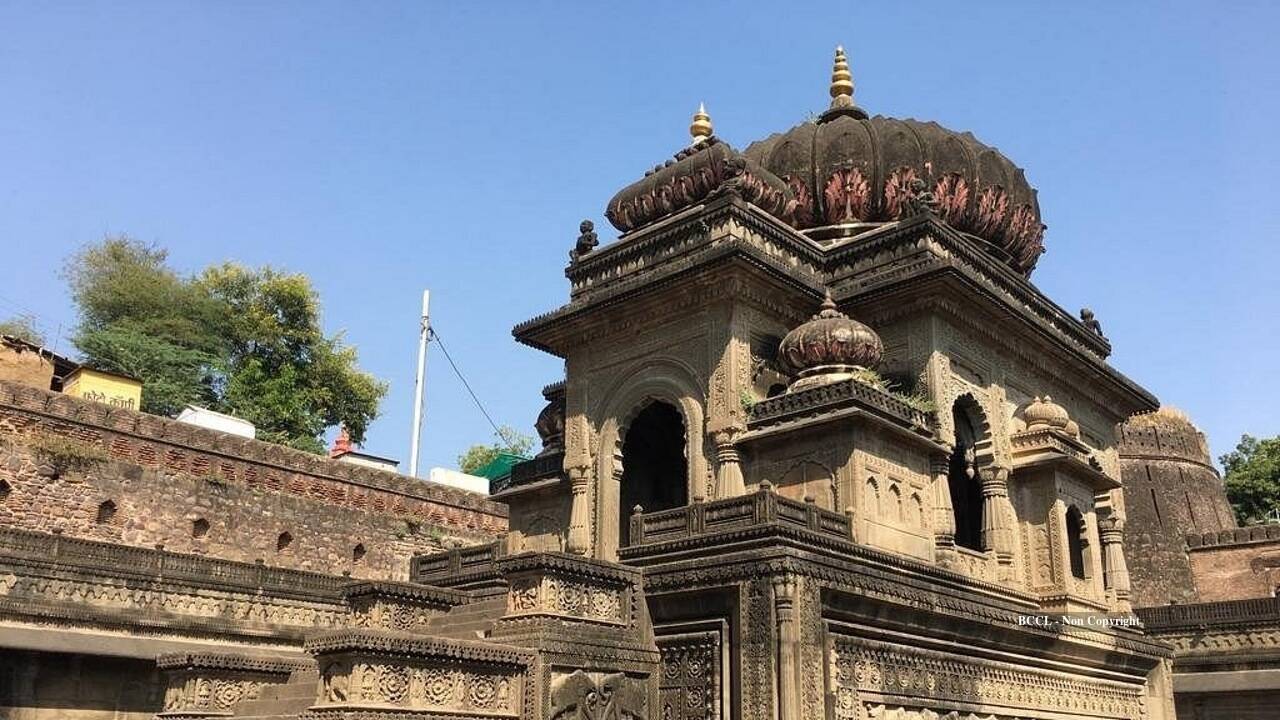
Ahileshwar Temple, Maheshwar
Rajarajeshwara Temple , Maheshwar
The Rajarajeshwara Temple, sometimes referred to as Rajarajeshwari Temple, sits among the key religious sites travellers are directed to when exploring the town today. It reflects the same period of religious construction that turned Maheshwar from a historic riverside town, mentioned even in the Ramayana and Mahabharata under its ancient name of Mahishmati, into the spiritual and administrative capital Ahilyabai built it into during the 18th century.
Baneshwar Mahadev Temple , Maheshwar
Rounding out Maheshwar’s temple complex, is the Baneshwar Mahadev Temple among the sites visitors are guided to as part of the town’s Ahilyabai-era heritage trail, alongside the Ahilya Fort and the ghats along the Narmada. Dedicated to Lord Shiva, it forms part of the same broader temple-building effort that defined her rule from Maheshwar, an effort that MP Tourism describes as reflecting her devotion, wisdom, and vision in equal measure.
Restoration work at Haridwar and Rameshwaram
Ahilyabai had restored temples at pilgrimage sites including Haridwar in the north and Rameshwaram in the far south, alongside her work at Kashi and Somnath. This geographic spread, funding religious restoration work thousands of kilometres apart, across kingdoms that had nothing to do with her own Malwa territory, is precisely what government accounts of her reign point to as evidence of her broader vision for India’s pilgrimage network as a connected, shared inheritance.


