
Union MoS Jitendra Singh speaks in the Lok Sabha during the Monsoon session of Parliament NEW DELHI: A key objective of the govt under the Nuclear Energy Mission is to develop and operationalise at least five indigenous small modular reactors by 2033, minister for department of atomic energy Jitendra Singh said in a written reply in the Lok Sabha on Wednesday.Bhabha Atomic Research Centre (BARC) is undertaking the design and development of indigenous SMR technologies, including the 220 MWe Bharat Small Modular Reactor (BSMR-200) and 55 MWe SMR-55 for power generation. BARC is also developing a high temperature gas cooled reactor (HTGCR) of up to 5 MW capacity, which can be coupled with a suitable thermochemical cycle for hydrogen production.Singh said India is steadily strengthening its indigenous nuclear energy ecosystem with a focus on advanced reactor technologies, SMRs, domestic manufacturing capabilities, private-sector participation and long-term utilisation of the country’s abundant thorium resources. The govt has adopted a two-pronged approach to accelerate nuclear capacity addition. This includes deployment of large indigenous reactors such as 700 MWe pressurised heavy water reactors (PHWRs) and advanced reactor designs at greenfield sites, alongside development and deployment of SMRs at brownfield locations, including retiring fossil-fuel-based power plants, captive plants for energy-intensive industries and off-grid applications in remote areas.The minister also highlighted continuing work of the Indira Gandhi Centre for Atomic Research (IGCAR) in advancing the second stage of India’s nuclear power programme. IGCAR is pursuing multidisciplinary scientific research and advanced engineering development for sodium cooled fast breeder reactors and associated closed fuel-cycle facilities, technologies that remain a cornerstone of India’s long-term nuclear strategy.Join conversationView All Comments →Share your thoughts in the commentsInsightfulAgreeDisagreeSkepticalConcerningPromisingWorth ReadingBig DevelopmentPost CommentBe respectful · TOI community guidelines On thorium, Singh said India is pursuing its three-stage nuclear power programme, based on a closed fuel cycle, to optimise utilisation of its uranium resources and progressively harness its abundant thorium reserves. Thorium, being a fertile material, needs to be converted into fissile uranium-233 in a nuclear reactor before it can be used for energy generation.India has already undertaken sustained R&D towards thorium utilisation. Thorium Oxide (Thoria) pellets have been used in the initial cores of operating PHWRs, while Thoria-based fuels have also been irradiated in BARC research reactors. The irradiated Thoria pins have been reprocessed to obtain uranium-233, which has subsequently been fabricated as fuel for the KAMINI reactor at IGCAR, Kalpakkam. Singh said the Sustainable Harnessing and Advancement of Nuclear Energy for Transforming India (SHANTI) Act, 2025 has been enacted to enable wider participation of both public and private entities in the nuclear sector.Get the latest India News and Live updates. Download the TOI app.End of ArticleFollow Us On Social MediaVideosThreat Letter Targets Kashmiri Pandits In Kashmir, Employees Asked To Stay Alert Amid Security FearChilling Crash Video: Atiq Ahmed’s Son’s Creta Flips After Losing Control On Highway | WatchUdhayanidhi Backs CM Vijay’s Tamil Nadu Delimitation Stand, Demands No Cut In State’s LS SeatsFCRA Bill Sent To 31-Member JPC Amid Opposition Protests, Akhilesh-Rijiju Clash Over MinoritiesRijiju slams opposition over parliament chaos, says ‘running away from debate’Explained: Why Amritpal Singh’s Party Fielded Son of Indira Gandhi’s Assassin In Punjab Elections?Prashant Kishor Promises Jobs For 10,000 Bankipur Youths After Ending BJP’s 30-Year Hold | WatchIndia’s Map Move Rattles China: What Naming 27 Places In Arunachal Means?Air India Phuket-Delhi Pilot’s Confirmatory Dope Test Reportedly Positive For Marijuana, Sources SayTamil Nadu Assembly Passes Anti-NEET Resolution As DMK, AIADMK And PMK Back Abolition Demand123PhotostoriesKyunki Saas Bhi Kabhi Bahu Thi 2: From Smriti Irani to Amar Upadhyay, here’s how much the cast earns per episodeBeyond Payasam: Traditional South Indian sweets that deserve a tryPreity Zinta goes full royalcore in an Rs 42,500 fuchsia farshi salwar set for ‘Batwara 1947’ promotionsTaking multiple supplements every day? Doctors warn these common combinations could do more harm than good10 beautiful baby girl names that symbolise graceOptical illusion personality test: What you see first reveals your hidden personality type10 classic, smokey and flavourful tikkas perfect for evening snacking5 everyday phone habits that may be damaging your relationship without you noticingThe science behind coriander leaves turning black in the refrigerator and 4 easy hacks to keep them fresh for long8 Indian dinners with over 30g protein that don’t require protein powder123Hot PicksInternational Youth DayMHT-CET CAP round seat allotmentSlovenia Indian embassyJharkhand protestN ChandrasekaranNEET PG 2026 city slipIran warSBI Clerk RecruitmentUP scholarshipTop TrendingChennai AirportNagpur Rape CaseAir India Phuket-Delhi FlightMumbai Kurla LandslideBengaluru Missing TechieSpiceJet FlightTelangana AccidentAbhijeet DipkeWeather TomorrowShakeel Noorani

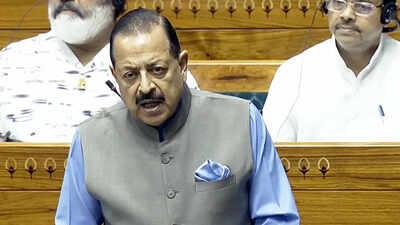
NEW DELHI: A key objective of the govt under the Nuclear Energy Mission is to develop and operationalise at least five indigenous small modular reactors by 2033, minister for department of atomic energy Jitendra Singh said in a written reply in the Lok Sabha on Wednesday.Bhabha Atomic Research Centre (BARC) is undertaking the design and development of indigenous SMR technologies, including the 220 MWe Bharat Small Modular Reactor (BSMR-200) and 55 MWe SMR-55 for power generation. BARC is also developing a high temperature gas cooled reactor (HTGCR) of up to 5 MW capacity, which can be coupled with a suitable thermochemical cycle for hydrogen production.Singh said India is steadily strengthening its indigenous nuclear energy ecosystem with a focus on advanced reactor technologies, SMRs, domestic manufacturing capabilities, private-sector participation and long-term utilisation of the country’s abundant thorium resources. The govt has adopted a two-pronged approach to accelerate nuclear capacity addition. This includes deployment of large indigenous reactors such as 700 MWe pressurised heavy water reactors (PHWRs) and advanced reactor designs at greenfield sites, alongside development and deployment of SMRs at brownfield locations, including retiring fossil-fuel-based power plants, captive plants for energy-intensive industries and off-grid applications in remote areas.The minister also highlighted continuing work of the Indira Gandhi Centre for Atomic Research (IGCAR) in advancing the second stage of India’s nuclear power programme. IGCAR is pursuing multidisciplinary scientific research and advanced engineering development for sodium cooled fast breeder reactors and associated closed fuel-cycle facilities, technologies that remain a cornerstone of India’s long-term nuclear strategy.
Share your thoughts in the comments
Be respectful · TOI community guidelines
On thorium, Singh said India is pursuing its three-stage nuclear power programme, based on a closed fuel cycle, to optimise utilisation of its uranium resources and progressively harness its abundant thorium reserves. Thorium, being a fertile material, needs to be converted into fissile uranium-233 in a nuclear reactor before it can be used for energy generation.India has already undertaken sustained R&D towards thorium utilisation. Thorium Oxide (Thoria) pellets have been used in the initial cores of operating PHWRs, while Thoria-based fuels have also been irradiated in BARC research reactors. The irradiated Thoria pins have been reprocessed to obtain uranium-233, which has subsequently been fabricated as fuel for the KAMINI reactor at IGCAR, Kalpakkam. Singh said the Sustainable Harnessing and Advancement of Nuclear Energy for Transforming India (SHANTI) Act, 2025 has been enacted to enable wider participation of both public and private entities in the nuclear sector.


