Unlike simple breath analyser tests for checking if the crew is tipsy, the process of detecting consumption of psychoactive substances is difficult The legal availability of marijuana for either medicinal or recreational use in places like Thailand and Amsterdam has made life difficult for airlines flying there. The reason: Unlike simple breath analyser tests for checking if the crew is tipsy, the process of detecting consumption of psychoactive substances is difficult. The only way to deter their consumption by flight crew members, say officials across multiple airlines, is to increase random dope testing, as there substances usually remain present in the body for much longer than alcohol.The concern across airlines globally to check this stems from the fact that operating a flight “under the influence of any psychoactive substance might render (licensed personnel like pilots) unable to safely and properly exercise” perform their duty, as per the International Civil Aviation Organisation.Possibly the most infamous case of this was a US carrier’s off-duty pilot travelling on the jump seat (extra seat behind pilots) in the flight deck trying to shut down the engines. This off-duty pilot had reportedly taken psychedelic mushrooms two days before the incident and hadn’t slept in 48 hours. “This is a challenge globally. Often the tests are not conclusive if taking some medicine leads to detection of psychoactive substances. However, recent consumption of drugs does show up in tests,” said officials.DGCA rules on “procedure for examination of the aviation personnel for consumption of psychoactive substances” says: “In case the confirmatory test is found positive, the medical in charge of the organisation shall consult a medical review officer to determine if the result was due to a legitimate therapeutic treatment or some other innocuous source (for example pain relief medication containing codeine may trigger a positive result for opiates).Join conversationView All Comments →Share your thoughts in the commentsInsightfulAgreeDisagreeSkepticalConcerningPromisingWorth ReadingBig DevelopmentPost CommentBe respectful · TOI community guidelines”Airlines try to create awareness and encourage employees to anonymously report addiction so that the same can be addressed. But mostly people avoid reporting the same, so this virtually remains a non-starter, said many officials. Officials running operations across airlines say the focus in India is primarily on self-reporting and de-addiction.“But given the easy availability of psychoactive substances, we need to make the consequences a bit tougher and act as deterrent. We have to increase random testing, that’s the only way out,” said an official. Under DGCA rules, all scheduled commercial airlines and air navigation service providers need to test at least 10% of their flight crew members and air traffic controllers every year.Get the latest India News and Live updates. Download the TOI app.End of ArticleFollow Us On Social MediaVideosPrashant Kishor Promises Jobs For 10,000 Bankipur Youths After Ending BJP’s 30-Year Hold | WatchIndia’s Map Move Rattles China: What Naming 27 Places In Arunachal Means?Air India Phuket-Delhi Pilot’s Confirmatory Dope Test Reportedly Positive For Marijuana, Sources SayTamil Nadu Assembly Passes Anti-NEET Resolution As DMK, AIADMK And PMK Back Abolition DemandDelhi CM Fumes, Rekha Gupta Slams AAP MLA Over Viral Video; Eight AAP MLAs Marshalled OutKashmiri Pandit Employees Sent On Leave After Lashkar-Linked Threat Letter‘Amit Shah Jawab Do’ Vs ‘Rahul Gandhi Bhaago Mat’: NDA, Oppn Face-Off In Parliament’Booked Hotel Room, Strangled Daughters’: Inside Bengaluru Murder Shocker‘Ladakh Is Not Kaziranga’: Snow Leopard Safari Plan Sparks DebateAmit Shah To Speak On Student Protest Crackdown; Rahul Says ‘Not Interested In Fantasy Convos’123PhotostoriesIndependence Day 2026 ethnic ideas: Bollywood actresses to inspire your August 15 lookLung cancer is not only about smoking: Doctor explains the risks hiding in your air, home and daily routineExclusive – Khatron Ke Khiladi 15’s Ruhaanika Dhawan on being the youngest contestant, on-screen mom Divyanka Tripathi’s reaction to her stunts and moreBaluchari saree: The forgotten Bengali handloom that nearly disappearedKeto, Carnivore, High-Protein Diets: Can eating too much protein or too few carbs put your kidneys under stress?The tiaras of Brunei royals: A closer look at the lavish jewels behind their most iconic looks10 unique baby boy names that sound both classic and coolOptical illusion personality test: What you see first reveals your hidden secrets about approaching situations in life5 resume mistakes that could quietly cost you your next jobWhat happens when you put a sponge in the fridge? The simple hack that helps during monsoon123Hot PicksMumbai rainNEET PG city intimation slipSlovenia Indian embassyJharkhand protestWeather AhmedabadAjit DovalIran warDelhi rainUP scholarshipTop TrendingCJPGurgaon Businessman Wife ArrestBengaluru Missing TechieBlinkit MumbaiHarbhajan SinghPune-Bengaluru Highway AccidentTelangana AccidentAbhijeet DipkeWeather TomorrowShakeel Noorani

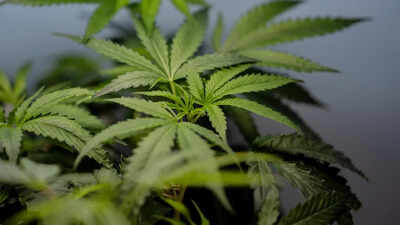
The legal availability of marijuana for either medicinal or recreational use in places like Thailand and Amsterdam has made life difficult for airlines flying there. The reason: Unlike simple breath analyser tests for checking if the crew is tipsy, the process of detecting consumption of psychoactive substances is difficult. The only way to deter their consumption by flight crew members, say officials across multiple airlines, is to increase random dope testing, as there substances usually remain present in the body for much longer than alcohol.The concern across airlines globally to check this stems from the fact that operating a flight “under the influence of any psychoactive substance might render (licensed personnel like pilots) unable to safely and properly exercise” perform their duty, as per the International Civil Aviation Organisation.Possibly the most infamous case of this was a US carrier’s off-duty pilot travelling on the jump seat (extra seat behind pilots) in the flight deck trying to shut down the engines. This off-duty pilot had reportedly taken psychedelic mushrooms two days before the incident and hadn’t slept in 48 hours. “This is a challenge globally. Often the tests are not conclusive if taking some medicine leads to detection of psychoactive substances. However, recent consumption of drugs does show up in tests,” said officials.DGCA rules on “procedure for examination of the aviation personnel for consumption of psychoactive substances” says: “In case the confirmatory test is found positive, the medical in charge of the organisation shall consult a medical review officer to determine if the result was due to a legitimate therapeutic treatment or some other innocuous source (for example pain relief medication containing codeine may trigger a positive result for opiates).
Share your thoughts in the comments
Be respectful · TOI community guidelines
”Airlines try to create awareness and encourage employees to anonymously report addiction so that the same can be addressed. But mostly people avoid reporting the same, so this virtually remains a non-starter, said many officials. Officials running operations across airlines say the focus in India is primarily on self-reporting and de-addiction.“But given the easy availability of psychoactive substances, we need to make the consequences a bit tougher and act as deterrent. We have to increase random testing, that’s the only way out,” said an official. Under DGCA rules, all scheduled commercial airlines and air navigation service providers need to test at least 10% of their flight crew members and air traffic controllers every year.


