
MEA said that India is assessing Mecca pact’s implications for national security and regional stability. NEW DELHI: India is examining the implications of the recently signed Mecca pact between Saudi Arabia, Pakistan and Turkey from the perspective of national security and regional stability, the ministry of external affairs (MEA) said on Tuesday.”The agreement that was signed recently. So, let me say that we continue to closely follow developments in the West Asia conflict. As far as this particular agreement is concerned, we are examining its implications, both from the perspective of our national security, as well as considerations of regional stability, peace and stability,” MEA spokesperson Randhir Jaiswal said.Join conversationView All Comments →Share your thoughts in the commentsInsightfulAgreeDisagreeSkepticalConcerningPromisingWorth ReadingBig DevelopmentPost CommentBe respectful · TOI community guidelines”India remains fully committed to meeting or safeguarding its national interests and will take all necessary measures in this regard,” he added.Saudi Arabia, Pakistan and Turkey had signed the trilateral defence agreement last week, aimed at strengthening collective security amid continuing instability in West Asia linked to the conflict involving Iran.The agreement was signed following a joint defence summit attended by Saudi Crown Prince Mohammed bin Salman, Turkish President Recep Tayyip Erdogan and Pakistani Prime Minister Shehbaz Sharif.According to Pakistan’s foreign ministry, the pact is based on the three countries’ historical ties, shared strategic interests and longstanding defence cooperation. It includes a commitment that an armed attack against any one of the three countries would be regarded as an attack against all three.The agreement also seeks to strengthen collective deterrence and promote peace, security and stability in the region and beyond.Get the latest India News and Live updates. Download the TOI app.About the AuthorTOI News DeskThe TOI News Desk comprises a dedicated and tireless team of journalists who operate around the clock to deliver the most current and comprehensive news and updates to the readers of The Times of India worldwide. With an unwavering commitment to excellence in journalism, our team is at the forefront of gathering, verifying, and presenting breaking news, in-depth analysis, and insightful reports on a wide range of topics. The TOI News Desk is your trusted source for staying informed and connected to the ever-evolving global landscape, ensuring that our readers are equipped with the latest developments that matter most.”Read MoreEnd of ArticleFollow Us On Social MediaVideosKashmiri Pandit Employees Sent On Leave After Lashkar-Linked Threat Letter‘Amit Shah Jawab Do’ Vs ‘Rahul Gandhi Bhaago Mat’: NDA, Oppn Face-Off In Parliament’Booked Hotel Room, Strangled Daughters’: Inside Bengaluru Murder Shocker‘Ladakh Is Not Kaziranga’: Snow Leopard Safari Plan Sparks DebateAmit Shah To Speak On Student Protest Crackdown; Rahul Says ‘Not Interested In Fantasy Convos’CJP Core Committee Dispute: Two Youths On Hunger Strike In Abhijit Dipke’s Hometown Hospitalised‘Only Dialogue Can Solve This’: Rahul Gandhi Backs Peaceful Jharkhand Student Protest | WatchJharkhand Students Storm Assembly Gates Amid Tear Gas, Lathicharge As ED Probe Intensifies Exam RowBihar Man Posed As IAS Officer, Claimed Doval Link; Police Seize Tesla, SUV And Imported Liquor’Mujhe Narendra Naam Se Nafrat Ho Gayi Hai’: PM Modi Interacts With India’s CWG Champions | Watch123PhotostoriesWhat happens when you put a sponge in the fridge? The simple hack that helps during monsoonTrying to lose thigh fat by walking? Doctor explains how to walk smarter, not just longer, for better fat-loss resultsHow to walk smart to reduce thigh fat5 stylish ways to recycle your old denim jeans instead of throwing them awayThe parenting lessons children learn without being taught: 7 agreements every couple should makeBefore cholesterol reaches the heart, it may leave clues elsewhere: 7 changes doctors say not to overlookMix these 5 things with Castor Oil for incredible hair growthKKR cricketer Ramandeep Singh and actress Charlie Chauhan’s love story: From keeping it private to a dreamy ceremonyNatasha Poonawalla makes a case for maximalist dressing in an archival Versace Banarasi skirt suit7 types of South Indian coffee every coffee lover should try10 local Jharkhand dishes that offer a taste of its rich food culture123Hot PicksMumbai rainNEET PG city intimation slipSlovenia Indian embassyJharkhand protestWeather AhmedabadAjit DovalIran warDelhi rainUP scholarshipTop TrendingCJPGurgaon Businessman Wife ArrestBengaluru Missing TechieBlinkit MumbaiHarbhajan SinghPune-Bengaluru Highway AccidentTelangana AccidentAbhijeet DipkeWeather TomorrowShakeel Noorani

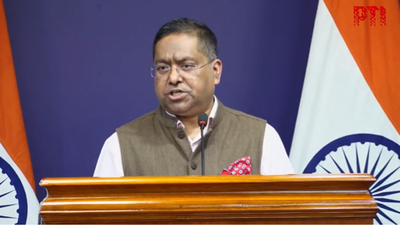
NEW DELHI: India is examining the implications of the recently signed Mecca pact between Saudi Arabia, Pakistan and Turkey from the perspective of national security and regional stability, the ministry of external affairs (MEA) said on Tuesday.“The agreement that was signed recently. So, let me say that we continue to closely follow developments in the West Asia conflict. As far as this particular agreement is concerned, we are examining its implications, both from the perspective of our national security, as well as considerations of regional stability, peace and stability,” MEA spokesperson Randhir Jaiswal said.
Share your thoughts in the comments
Be respectful · TOI community guidelines
“India remains fully committed to meeting or safeguarding its national interests and will take all necessary measures in this regard,” he added.Saudi Arabia, Pakistan and Turkey had signed the trilateral defence agreement last week, aimed at strengthening collective security amid continuing instability in West Asia linked to the conflict involving Iran.The agreement was signed following a joint defence summit attended by Saudi Crown Prince Mohammed bin Salman, Turkish President Recep Tayyip Erdogan and Pakistani Prime Minister Shehbaz Sharif.According to Pakistan’s foreign ministry, the pact is based on the three countries’ historical ties, shared strategic interests and longstanding defence cooperation. It includes a commitment that an armed attack against any one of the three countries would be regarded as an attack against all three.The agreement also seeks to strengthen collective deterrence and promote peace, security and stability in the region and beyond.


