
Oregon and Utah have built more than 130 wildlife crossings that could prevent deadly crashes and save both animals and human lives | World News

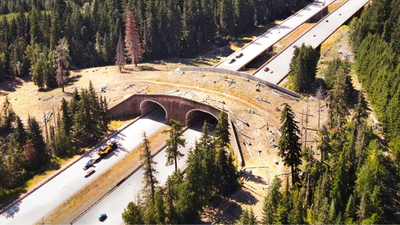
Wildlife crossings are increasingly becoming one of the most effective ways to protect both motorists and animals on busy highways, and Oregon and Utah are among the US states leading the effort. Together, the two states have more than 130 wildlife crossings, including overpasses, underpasses and culverts that allow animals to safely cross roads while reducing dangerous vehicle collisions. Their success comes as four states—Utah, Oregon, Idaho and Virginia—advanced new measures in 2026 to make it easier to fund and expand wildlife crossing infrastructure. Conservationists say these projects not only save wildlife but also reduce injuries, deaths and billions of dollars in economic losses caused by wildlife-vehicle crashes.
How wildlife crossings help save animals in Oregon and Utah
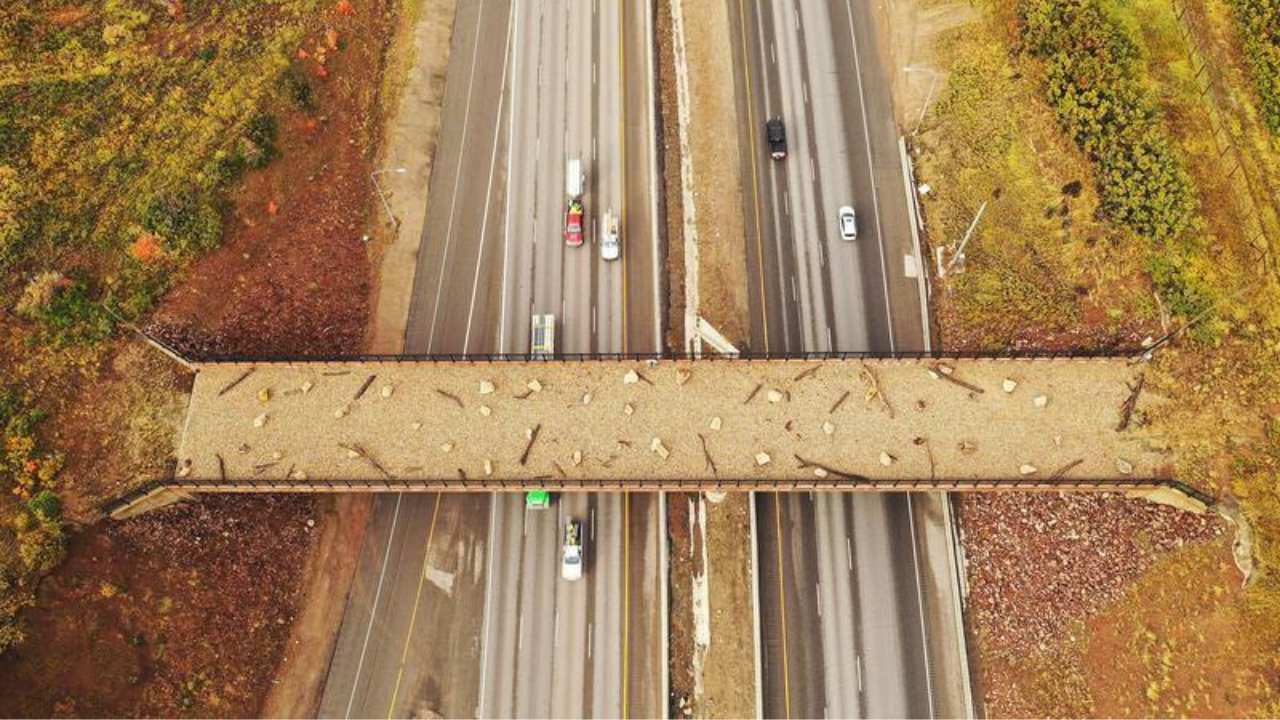
Wildlife crossings are specially designed bridges, tunnels and underpasses built over or beneath highways. They are usually paired with fencing that guides animals towards safe crossing points instead of allowing them to wander onto roads.According to The Pew Charitable Trusts, wildlife crossings with fencing can reduce collisions involving large mammals by more than 90% in some locations. A single crossing can prevent an estimated 1,400 wildlife-vehicle crashes over its lifetime, protecting both wildlife and motorists.
Why Utah and Oregon are investing in wildlife crossings
Utah has been a pioneer in wildlife crossing infrastructure for decades. Since constructing one of the United States’ earliest wildlife overpasses in 1975, the state has built more than 50 wildlife crossings and continues expanding its network. In 2026, Utah approved legislation creating a dedicated wildlife crossing fund that will receive $2 million annually to support future projects.Oregon has also expanded its wildlife connectivity efforts through overpasses, underpasses and culverts across the state. In 2026, lawmakers approved legislation increasing the state’s lodging tax beginning in 2027, with part of the revenue earmarked for conservation programmes that include wildlife crossing infrastructure, habitat restoration and research into reducing wildlife-vehicle collisions.
Why wildlife collisions are a growing concern
Wildlife-vehicle collisions remain a major public safety issue across the United States.According to the US Department of Transportation, as cited by The Pew Charitable Trusts, more than 1 million wildlife-vehicle collisions occur in the United States every year, resulting in around 26,000 injuries and more than 200 deaths annually. These crashes cost the US economy over $10 billion each year through vehicle repairs, medical expenses and lost productivity. Large mammals such as deer, elk and moose are responsible for many of the most serious collisions because of their size and the severe damage they can inflict on vehicles.
Do wildlife crossings really work?
Research from across North America suggests they do.Studies cited by The Pew Charitable Trusts and the Federal Highway Administration show that wildlife crossings combined with fencing can reduce crashes involving deer and elk by 80% to more than 90%, depending on the location and species involved. Besides improving road safety, the crossings reconnect habitats fragmented by highways, allowing animals to migrate in search of food, water and breeding grounds.Trail cameras installed at many crossings have recorded thousands of successful crossings by species including mule deer, elk, black bears, mountain lions, bobcats and smaller mammals, demonstrating that wildlife readily adapts to the structures.
Four states pushed wildlife crossing policies forward in 2026
Utah and Oregon were joined by Idaho and Virginia, both of which advanced legislation in 2026 to make wildlife crossing projects easier to fund and build.According to The Pew Charitable Trusts, the bipartisan measures adopted across the four states are expected to accelerate future construction while serving as a model for other states seeking to reduce wildlife collisions and improve habitat connectivity.
Benefits beyond road safety
Wildlife crossings do more than reduce crashes. Roads often divide migration routes and isolate animal populations, making it harder for species to find food, mates and seasonal habitat. By reconnecting these landscapes, crossings help maintain healthy wildlife populations and support biodiversity.They also provide significant economic benefits by reducing vehicle damage, lowering insurance claims and cutting medical costs associated with wildlife collisions. According to The Pew Charitable Trusts, preventing even a fraction of the more than one million annual wildlife crashes can save billions of dollars over time.
A growing model for conservation
As expanding road networks continue to fragment wildlife habitat, more states are turning to wildlife crossings as a practical solution that benefits both people and nature. The recent legislative action in Utah, Oregon, Idaho and Virginia reflects growing recognition that investing in wildlife-friendly infrastructure can improve road safety, protect migration corridors and reduce long-term economic costs. Conservation experts say the success of these programmes is likely to encourage more states to adopt similar measures in the coming years.


