
New government schemes will offer significant financial support to Indian private space companies. These initiatives aim to boost domestic launch capabilities and global competitiveness for businesses. Subsidies will cover launch services, technology transfer, and access to ISRO facilities. The programs are designed to lower entry barriers and accelerate private sector growth. This support will make satellite data and infrastructure more affordable for Indian entities. BENGALURU: Indian private space companies and non-government entities will receive govt support ranging from 30% to 100% on everything from launch services and technology transfer to satellite data and access to Isro facilities under two new schemes of the Department of Space (DoS).The incentives — Launch Services Price-support Scheme (LSPS) and the Price Support Scheme — being implemented by Indian National Space Promotion and Authorisation Centre (IN-SPACe) are aimed at lowering entry barriers, making Indian space businesses globally competitive and accelerating private participation across the sector.The larger of the two initiatives is the Launch Services Price-support Scheme, with a budget of Rs 800 crore over five years until June 2031. The scheme seeks to boost domestic commercial launch operations and strengthen India’s position as a global launch hub.IN-SPACe chairman Pawan Goenka told TOI: “The idea is to make the launches competitive. Therefore, we are trying to defray the cost of launch, thereby making the launch cost globally competitive. The ultimate beneficiary will be the satellite launch.”Under Category A, eligible entities can receive up to 50% support for using Isro and DoS launch facilities. The benefit extends to NGEs, government entities and launch vehicle providers.Category B offers a 30% subsidy on contractual launch costs, or up to $3,000 per kg, whichever is lower, for Indian small launch vehicles carrying satellites, experiments or payloads weighing up to 500 kg. The support is available to satellite owners and operators.The subsidy would apply to launches by Indian private entities from Indian soil too. “It will be applicable to [Skyroot’s] Vikram also. Any satellite launch by an Indian company… from Indian soil… we will directly pay the satellite guys $3,000 per kg,” Goenka said. He added that the policy is focused on promoting small launch vehicles where private sector participation is growing.Category C provides the highest level of support, offering 100% funding for repurposed upper-stage platforms carrying payloads of up to 120 kg. The funding is capped at $13,000 per kg and limited to four missions. The category is aimed at NGEs, govt entities and launch vehicle providers.Category D extends launch incentives to satellites weighing up to 100 kg launched aboard PSLV, GSLV and LVM3 missions. Beneficiaries will receive a 30% subsidy on contractual launch costs, or up to $3,000 per kg, whichever is lower.Complementing the launch incentives is a separate Price Support Scheme for Indian entities, which will run for three years until Feb 2029. The programme is intended to reduce the cost of accessing India’s space infrastructure, technologies and data.The scheme has three components. The first provides up to 50% support for the utilisation of DoS and In-SPACe facilities, along with technical expertise.Join conversationView All Comments →Share your thoughts in the commentsInsightfulAgreeDisagreeSkepticalConcerningPromisingWorth ReadingBig DevelopmentPost CommentBe respectful · TOI community guidelinesThe second offers a 30% subsidy on Technology Transfer Fees (TTF) for technologies licensed from Isro, lowering the cost for companies seeking to commercialise govt-developed technologies.The third provides a 50% subsidy on standard Earth Observation data and data products, making satellite imagery and geospatial datasets more affordable for Indian companies developing applications in agriculture, urban planning, disaster management, climate services and other downstream sectors.Get the latest India News and Live updates. Download the TOI app.About the AuthorChethan KumarChethan Kumar is a Senior Assistant Editor with the Times of India. Aside from specialising in Space & Science, he has reported extensively on varied topics, with special focus on defence, policy and data stories. He has covered multiple elections, too. As a young democracy grows out of adolescence, Chethan feels, there are reels of tales emerging which need to be captured. To do this, he alternates between the mundane goings-on of the Common Man and the wonder-filled worlds of scientists and scamsters, politicians and soldiers. In a career spanning nearly 18 years, he has reported from multiple datelines — Houston, Florida, Kochi, Hyderabad, Chennai, Sriharikota (AP), NH-1 (J&K Highway), New Delhi, Ahmedabad, Raichur, Bhatkal, Mysuru, Chamarajanagar, to name a few — but is based out of Bengaluru, India’s science capital that also hosts the ISRO HQ.Read MoreEnd of ArticleFollow Us On Social MediaVideosSecurity On High Alert: Pak Drone Sighted In Jammu On Eve Of Article 370 Abrogation AnniversaryNot A Single Woman In Karnataka Cabinet? Congress Faces Tough QuestionsExplained: Why Jharkhand Students Are Distancing Their JPSC Protest From The Jantar Mantar AgitationGovernment Proposes V2V Technology To Enable Real-Time Vehicle Communication For Better Road Safety’Cannot Tear Open My Chest’: Jharkhand CM Hemant Soren’s First Reaction To JPSC Student Protest’Thought We Would Die’: Air India Phuket-Delhi Flight Hit By Violent Turbulence, Several InjuredNHAI Forced Into U-Turn After Posting Wrong Pic Of Rajasthan’s NH-25; Project Director SuspendedUdhayanidhi Stalin Released Hours After Arrest Over ‘Double Meaning’ RemarkSC Extends Section 498A Protection To Women In Marriage-Like Live-In RelationshipsWhatsApp Puts Multiple Accounts Under Review, Users Locked Out As Company Admits Mistakes Can Happen123PhotostoriesThe first date was amazing. So why wasn’t there a second? 9 reasons it happens more often than you think12 dhaba-style potato dishes that are perfect for lunch and dinnerWant siblings who stay close for life? These everyday parenting habits can make all the difference10 baby boy names inspired by kings and royaltyTamannaah Bhatia turns heads with 3 dramatically different looksBleeding gums may be warning you about more than your teeth: Doctor explains the link to heart disease, stroke and diabetesOptical illusion brain teaser: You might be a record breaker if you spot the ‘blue-eyed fox’ among the browns in this jungleThe way you react today becomes your child’s inner voice tomorrow: 7 everyday moments that shape your child’s future more than any parenting advice ever could13 iconic ice creams from around the world every dessert lover should tryHow to talk to toddlers to nurture intelligence: Science-backed tips123Hot PicksCJP nationwide tourGold Rate TodayMJPRU resultBSE SensexRBI FD ruleManmohan Singh LiberhanKarnataka cabinet expansionUdhayanidhi StalinD Y PatilTop TrendingFaridabad MurderUdhayanidhi StalinPanchkula Army Captain Wife DeathPappu Yadav Slipper AttackPM ModiKarnataka Cabinet ExpansionTrisha KrishnanD Y Patil DeathBypoll Election Result 2026Shradha Singh
![New government schemes will offer significant financial support to Indian private space companies. These initiatives aim to boost domestic launch capabilities and global competitiveness for businesses. Subsidies will cover launch services, technology transfer, and access to ISRO facilities. The programs are designed to lower entry barriers and accelerate private sector growth. This support will make satellite data and infrastructure more affordable for Indian entities. BENGALURU: Indian private space companies and non-government entities will receive govt support ranging from 30% to 100% on everything from launch services and technology transfer to satellite data and access to Isro facilities under two new schemes of the Department of Space (DoS).The incentives — Launch Services Price-support Scheme (LSPS) and the Price Support Scheme — being implemented by Indian National Space Promotion and Authorisation Centre (IN-SPACe) are aimed at lowering entry barriers, making Indian space businesses globally competitive and accelerating private participation across the sector.The larger of the two initiatives is the Launch Services Price-support Scheme, with a budget of Rs 800 crore over five years until June 2031. The scheme seeks to boost domestic commercial launch operations and strengthen India’s position as a global launch hub.IN-SPACe chairman Pawan Goenka told TOI: “The idea is to make the launches competitive. Therefore, we are trying to defray the cost of launch, thereby making the launch cost globally competitive. The ultimate beneficiary will be the satellite launch.”Under Category A, eligible entities can receive up to 50% support for using Isro and DoS launch facilities. The benefit extends to NGEs, government entities and launch vehicle providers.Category B offers a 30% subsidy on contractual launch costs, or up to $3,000 per kg, whichever is lower, for Indian small launch vehicles carrying satellites, experiments or payloads weighing up to 500 kg. The support is available to satellite owners and operators.The subsidy would apply to launches by Indian private entities from Indian soil too. “It will be applicable to [Skyroot’s] Vikram also. Any satellite launch by an Indian company… from Indian soil… we will directly pay the satellite guys $3,000 per kg,” Goenka said. He added that the policy is focused on promoting small launch vehicles where private sector participation is growing.Category C provides the highest level of support, offering 100% funding for repurposed upper-stage platforms carrying payloads of up to 120 kg. The funding is capped at $13,000 per kg and limited to four missions. The category is aimed at NGEs, govt entities and launch vehicle providers.Category D extends launch incentives to satellites weighing up to 100 kg launched aboard PSLV, GSLV and LVM3 missions. Beneficiaries will receive a 30% subsidy on contractual launch costs, or up to $3,000 per kg, whichever is lower.Complementing the launch incentives is a separate Price Support Scheme for Indian entities, which will run for three years until Feb 2029. The programme is intended to reduce the cost of accessing India’s space infrastructure, technologies and data.The scheme has three components. The first provides up to 50% support for the utilisation of DoS and In-SPACe facilities, along with technical expertise.Join conversationView All Comments →Share your thoughts in the commentsInsightfulAgreeDisagreeSkepticalConcerningPromisingWorth ReadingBig DevelopmentPost CommentBe respectful · TOI community guidelinesThe second offers a 30% subsidy on Technology Transfer Fees (TTF) for technologies licensed from Isro, lowering the cost for companies seeking to commercialise govt-developed technologies.The third provides a 50% subsidy on standard Earth Observation data and data products, making satellite imagery and geospatial datasets more affordable for Indian companies developing applications in agriculture, urban planning, disaster management, climate services and other downstream sectors.Get the latest India News and Live updates. Download the TOI app.About the AuthorChethan KumarChethan Kumar is a Senior Assistant Editor with the Times of India. Aside from specialising in Space & Science, he has reported extensively on varied topics, with special focus on defence, policy and data stories. He has covered multiple elections, too. As a young democracy grows out of adolescence, Chethan feels, there are reels of tales emerging which need to be captured. To do this, he alternates between the mundane goings-on of the Common Man and the wonder-filled worlds of scientists and scamsters, politicians and soldiers. In a career spanning nearly 18 years, he has reported from multiple datelines — Houston, Florida, Kochi, Hyderabad, Chennai, Sriharikota (AP), NH-1 (J&K Highway), New Delhi, Ahmedabad, Raichur, Bhatkal, Mysuru, Chamarajanagar, to name a few — but is based out of Bengaluru, India’s science capital that also hosts the ISRO HQ.Read MoreEnd of ArticleFollow Us On Social MediaVideosSecurity On High Alert: Pak Drone Sighted In Jammu On Eve Of Article 370 Abrogation AnniversaryNot A Single Woman In Karnataka Cabinet? Congress Faces Tough QuestionsExplained: Why Jharkhand Students Are Distancing Their JPSC Protest From The Jantar Mantar AgitationGovernment Proposes V2V Technology To Enable Real-Time Vehicle Communication For Better Road Safety’Cannot Tear Open My Chest’: Jharkhand CM Hemant Soren’s First Reaction To JPSC Student Protest’Thought We Would Die’: Air India Phuket-Delhi Flight Hit By Violent Turbulence, Several InjuredNHAI Forced Into U-Turn After Posting Wrong Pic Of Rajasthan’s NH-25; Project Director SuspendedUdhayanidhi Stalin Released Hours After Arrest Over ‘Double Meaning’ RemarkSC Extends Section 498A Protection To Women In Marriage-Like Live-In RelationshipsWhatsApp Puts Multiple Accounts Under Review, Users Locked Out As Company Admits Mistakes Can Happen123PhotostoriesThe first date was amazing. So why wasn’t there a second? 9 reasons it happens more often than you think12 dhaba-style potato dishes that are perfect for lunch and dinnerWant siblings who stay close for life? These everyday parenting habits can make all the difference10 baby boy names inspired by kings and royaltyTamannaah Bhatia turns heads with 3 dramatically different looksBleeding gums may be warning you about more than your teeth: Doctor explains the link to heart disease, stroke and diabetesOptical illusion brain teaser: You might be a record breaker if you spot the ‘blue-eyed fox’ among the browns in this jungleThe way you react today becomes your child’s inner voice tomorrow: 7 everyday moments that shape your child’s future more than any parenting advice ever could13 iconic ice creams from around the world every dessert lover should tryHow to talk to toddlers to nurture intelligence: Science-backed tips123Hot PicksCJP nationwide tourGold Rate TodayMJPRU resultBSE SensexRBI FD ruleManmohan Singh LiberhanKarnataka cabinet expansionUdhayanidhi StalinD Y PatilTop TrendingFaridabad MurderUdhayanidhi StalinPanchkula Army Captain Wife DeathPappu Yadav Slipper AttackPM ModiKarnataka Cabinet ExpansionTrisha KrishnanD Y Patil DeathBypoll Election Result 2026Shradha Singh](https://vknewstoday.in/wp-content/uploads/1785876297_photo.jpg "New government schemes will offer significant financial support to Indian private space companies. These initiatives aim to boost domestic launch capabilities and global competitiveness for businesses. Subsidies will cover launch services, technology transfer, and access to ISRO facilities. The programs are designed to lower entry barriers and accelerate private sector growth. This support will make satellite data and infrastructure more affordable for Indian entities. BENGALURU: Indian private space companies and non-government entities will receive govt support ranging from 30% to 100% on everything from launch services and technology transfer to satellite data and access to Isro facilities under two new schemes of the Department of Space (DoS).The incentives — Launch Services Price-support Scheme (LSPS) and the Price Support Scheme — being implemented by Indian National Space Promotion and Authorisation Centre (IN-SPACe) are aimed at lowering entry barriers, making Indian space businesses globally competitive and accelerating private participation across the sector.The larger of the two initiatives is the Launch Services Price-support Scheme, with a budget of Rs 800 crore over five years until June 2031. The scheme seeks to boost domestic commercial launch operations and strengthen India’s position as a global launch hub.IN-SPACe chairman Pawan Goenka told TOI: “The idea is to make the launches competitive. Therefore, we are trying to defray the cost of launch, thereby making the launch cost globally competitive. The ultimate beneficiary will be the satellite launch.”Under Category A, eligible entities can receive up to 50% support for using Isro and DoS launch facilities. The benefit extends to NGEs, government entities and launch vehicle providers.Category B offers a 30% subsidy on contractual launch costs, or up to $3,000 per kg, whichever is lower, for Indian small launch vehicles carrying satellites, experiments or payloads weighing up to 500 kg. The support is available to satellite owners and operators.The subsidy would apply to launches by Indian private entities from Indian soil too. “It will be applicable to [Skyroot’s] Vikram also. Any satellite launch by an Indian company… from Indian soil… we will directly pay the satellite guys $3,000 per kg,” Goenka said. He added that the policy is focused on promoting small launch vehicles where private sector participation is growing.Category C provides the highest level of support, offering 100% funding for repurposed upper-stage platforms carrying payloads of up to 120 kg. The funding is capped at $13,000 per kg and limited to four missions. The category is aimed at NGEs, govt entities and launch vehicle providers.Category D extends launch incentives to satellites weighing up to 100 kg launched aboard PSLV, GSLV and LVM3 missions. Beneficiaries will receive a 30% subsidy on contractual launch costs, or up to $3,000 per kg, whichever is lower.Complementing the launch incentives is a separate Price Support Scheme for Indian entities, which will run for three years until Feb 2029. The programme is intended to reduce the cost of accessing India’s space infrastructure, technologies and data.The scheme has three components. The first provides up to 50% support for the utilisation of DoS and In-SPACe facilities, along with technical expertise.Join conversationView All Comments →Share your thoughts in the commentsInsightfulAgreeDisagreeSkepticalConcerningPromisingWorth ReadingBig DevelopmentPost CommentBe respectful · TOI community guidelinesThe second offers a 30% subsidy on Technology Transfer Fees (TTF) for technologies licensed from Isro, lowering the cost for companies seeking to commercialise govt-developed technologies.The third provides a 50% subsidy on standard Earth Observation data and data products, making satellite imagery and geospatial datasets more affordable for Indian companies developing applications in agriculture, urban planning, disaster management, climate services and other downstream sectors.Get the latest India News and Live updates. Download the TOI app.About the AuthorChethan KumarChethan Kumar is a Senior Assistant Editor with the Times of India. Aside from specialising in Space & Science, he has reported extensively on varied topics, with special focus on defence, policy and data stories. He has covered multiple elections, too. As a young democracy grows out of adolescence, Chethan feels, there are reels of tales emerging which need to be captured. To do this, he alternates between the mundane goings-on of the Common Man and the wonder-filled worlds of scientists and scamsters, politicians and soldiers. In a career spanning nearly 18 years, he has reported from multiple datelines — Houston, Florida, Kochi, Hyderabad, Chennai, Sriharikota (AP), NH-1 (J&K Highway), New Delhi, Ahmedabad, Raichur, Bhatkal, Mysuru, Chamarajanagar, to name a few — but is based out of Bengaluru, India’s science capital that also hosts the ISRO HQ.Read MoreEnd of ArticleFollow Us On Social MediaVideosSecurity On High Alert: Pak Drone Sighted In Jammu On Eve Of Article 370 Abrogation AnniversaryNot A Single Woman In Karnataka Cabinet? Congress Faces Tough QuestionsExplained: Why Jharkhand Students Are Distancing Their JPSC Protest From The Jantar Mantar AgitationGovernment Proposes V2V Technology To Enable Real-Time Vehicle Communication For Better Road Safety’Cannot Tear Open My Chest’: Jharkhand CM Hemant Soren’s First Reaction To JPSC Student Protest’Thought We Would Die’: Air India Phuket-Delhi Flight Hit By Violent Turbulence, Several InjuredNHAI Forced Into U-Turn After Posting Wrong Pic Of Rajasthan’s NH-25; Project Director SuspendedUdhayanidhi Stalin Released Hours After Arrest Over ‘Double Meaning’ RemarkSC Extends Section 498A Protection To Women In Marriage-Like Live-In RelationshipsWhatsApp Puts Multiple Accounts Under Review, Users Locked Out As Company Admits Mistakes Can Happen123PhotostoriesThe first date was amazing. So why wasn’t there a second? 9 reasons it happens more often than you think12 dhaba-style potato dishes that are perfect for lunch and dinnerWant siblings who stay close for life? These everyday parenting habits can make all the difference10 baby boy names inspired by kings and royaltyTamannaah Bhatia turns heads with 3 dramatically different looksBleeding gums may be warning you about more than your teeth: Doctor explains the link to heart disease, stroke and diabetesOptical illusion brain teaser: You might be a record breaker if you spot the ‘blue-eyed fox’ among the browns in this jungleThe way you react today becomes your child’s inner voice tomorrow: 7 everyday moments that shape your child’s future more than any parenting advice ever could13 iconic ice creams from around the world every dessert lover should tryHow to talk to toddlers to nurture intelligence: Science-backed tips123Hot PicksCJP nationwide tourGold Rate TodayMJPRU resultBSE SensexRBI FD ruleManmohan Singh LiberhanKarnataka cabinet expansionUdhayanidhi StalinD Y PatilTop TrendingFaridabad MurderUdhayanidhi StalinPanchkula Army Captain Wife DeathPappu Yadav Slipper AttackPM ModiKarnataka Cabinet ExpansionTrisha KrishnanD Y Patil DeathBypoll Election Result 2026Shradha Singh")
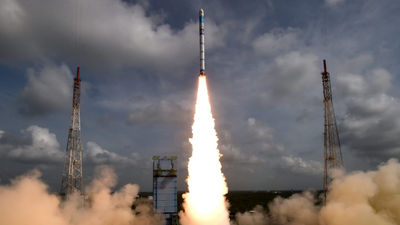
BENGALURU: Indian private space companies and non-government entities will receive govt support ranging from 30% to 100% on everything from launch services and technology transfer to satellite data and access to Isro facilities under two new schemes of the Department of Space (DoS).The incentives — Launch Services Price-support Scheme (LSPS) and the Price Support Scheme — being implemented by Indian National Space Promotion and Authorisation Centre (IN-SPACe) are aimed at lowering entry barriers, making Indian space businesses globally competitive and accelerating private participation across the sector.The larger of the two initiatives is the Launch Services Price-support Scheme, with a budget of Rs 800 crore over five years until June 2031. The scheme seeks to boost domestic commercial launch operations and strengthen India’s position as a global launch hub.IN-SPACe chairman Pawan Goenka told TOI: “The idea is to make the launches competitive. Therefore, we are trying to defray the cost of launch, thereby making the launch cost globally competitive. The ultimate beneficiary will be the satellite launch.”Under Category A, eligible entities can receive up to 50% support for using Isro and DoS launch facilities. The benefit extends to NGEs, government entities and launch vehicle providers.Category B offers a 30% subsidy on contractual launch costs, or up to $3,000 per kg, whichever is lower, for Indian small launch vehicles carrying satellites, experiments or payloads weighing up to 500 kg. The support is available to satellite owners and operators.The subsidy would apply to launches by Indian private entities from Indian soil too. “It will be applicable to [Skyroot’s] Vikram also. Any satellite launch by an Indian company… from Indian soil… we will directly pay the satellite guys $3,000 per kg,” Goenka said. He added that the policy is focused on promoting small launch vehicles where private sector participation is growing.Category C provides the highest level of support, offering 100% funding for repurposed upper-stage platforms carrying payloads of up to 120 kg. The funding is capped at $13,000 per kg and limited to four missions. The category is aimed at NGEs, govt entities and launch vehicle providers.Category D extends launch incentives to satellites weighing up to 100 kg launched aboard PSLV, GSLV and LVM3 missions. Beneficiaries will receive a 30% subsidy on contractual launch costs, or up to $3,000 per kg, whichever is lower.Complementing the launch incentives is a separate Price Support Scheme for Indian entities, which will run for three years until Feb 2029. The programme is intended to reduce the cost of accessing India’s space infrastructure, technologies and data.The scheme has three components. The first provides up to 50% support for the utilisation of DoS and In-SPACe facilities, along with technical expertise.
Share your thoughts in the comments
Be respectful · TOI community guidelines
The second offers a 30% subsidy on Technology Transfer Fees (TTF) for technologies licensed from Isro, lowering the cost for companies seeking to commercialise govt-developed technologies.The third provides a 50% subsidy on standard Earth Observation data and data products, making satellite imagery and geospatial datasets more affordable for Indian companies developing applications in agriculture, urban planning, disaster management, climate services and other downstream sectors.


![The balance of research and development funding has shifted, with government and private industry now investing nearly the same amount. In recent years, private sector contributions to research have seen a notable rise. Government spending is concentrated on sectors deemed strategic and beneficial to the public. Additionally, multinational corporations are increasingly influential in shaping India’s research environment, although the overall research intensity still lags behind other major economies. BENGALURU: For every Rs 100 spent on R&D, the govt contributes about Rs 48 while private industry accounts for Rs 45, latest data from R&D Statistics At a Glance 2025-26 by the Department of Science and Technology (DST), shows.The remaining Rs 7 comes from scientific and industrial research organisations (SIROs) and private higher education institutions.India’s Gross Expenditure on Research and Development (GERD) breached Rs 2.4-lakh crore in 2023-24, more than three times the Rs 79,356 crore recorded a decade ago. However, overall R&D spend is still under 1% of the GDP, touching 0.8%, as per the latest figures.Private industry’s share in GERD increased from 39.7% in 2020-21 to 45.2% in 2023-24 in just three years. During the same period, govt share declined from 54.5% to 48.2%, although it continues to remain the country’s single largest contributor to research spending.The report notes that private R&D expenditure has been growing at an average annual rate of around 20% over the last three years.While the DST report’s detailed analysis is up to 2023-24, it has projected overall trends for two more years: “The upward [spending] trend is expected to continue, with GERD projected to reach nearly Rs 2.8-lakh-crore by 2024-25 and more than Rs 3.1-lakh-crore crore by 2025–26,” it reads.Govt spending continues to be concentrated in strategic and public-interest sectors. Among the Centre’s scientific agencies, DRDO accounted for 32.7%, followed by the Department of Space (15%), Department of Atomic Energy (14.4%), Indian Council of Agricultural Research (13.1%) and Council of Scientific and Industrial Research (8.7%). Together, 12 major scientific agencies accounted for 76% of govt R&D spend.Transportation emerged as the biggest destination for industrial R&D, accounting for 32.6% of private sector expenditure, followed by pharmaceuticals (21.4%), biotechnology (8.6%), IT (7.9%) and electrical and electronics (5.9%).The report also highlights the growing role of MNCs in India’s research landscape. Their share in business R&D expenditure has increased from 49.9% in 2020-21 to 71.3% in 2023-24. According to the report, the growth rate of R&D expenditure has outpaced GDP growth after 2021-22, except in 2022-23, reflecting the increasing priority accorded to research and innovation.Despite the encouraging trends, India continues to trail many major economies in research intensity. At 0.8% of GDP, the country’s R&D expenditure remains below that of China (2.6%), Brazil (1.2%) and several advanced economies that invest more than 2% of their GDP in research.Join conversationView All Comments →Share your thoughts in the commentsInsightfulAgreeDisagreeSkepticalConcerningPromisingWorth ReadingBig DevelopmentPost CommentBe respectful · TOI community guidelinesNevertheless, the latest figures point to a maturing innovation ecosystem where the burden of financing research is gradually shifting from being overwhelmingly government-led to one in which private enterprise is emerging as an almost equal partner.Get the latest India News and Live updates. Download the TOI app.About the AuthorChethan KumarChethan Kumar is a Senior Assistant Editor with the Times of India. Aside from specialising in Space & Science, he has reported extensively on varied topics, with special focus on defence, policy and data stories. He has covered multiple elections, too. As a young democracy grows out of adolescence, Chethan feels, there are reels of tales emerging which need to be captured. To do this, he alternates between the mundane goings-on of the Common Man and the wonder-filled worlds of scientists and scamsters, politicians and soldiers. In a career spanning nearly 18 years, he has reported from multiple datelines — Houston, Florida, Kochi, Hyderabad, Chennai, Sriharikota (AP), NH-1 (J&K Highway), New Delhi, Ahmedabad, Raichur, Bhatkal, Mysuru, Chamarajanagar, to name a few — but is based out of Bengaluru, India’s science capital that also hosts the ISRO HQ.Read MoreEnd of ArticleFollow Us On Social MediaVideosSecurity On High Alert: Pak Drone Sighted In Jammu On Eve Of Article 370 Abrogation AnniversaryNot A Single Woman In Karnataka Cabinet? Congress Faces Tough QuestionsExplained: Why Jharkhand Students Are Distancing Their JPSC Protest From The Jantar Mantar AgitationGovernment Proposes V2V Technology To Enable Real-Time Vehicle Communication For Better Road Safety’Cannot Tear Open My Chest’: Jharkhand CM Hemant Soren’s First Reaction To JPSC Student Protest’Thought We Would Die’: Air India Phuket-Delhi Flight Hit By Violent Turbulence, Several InjuredNHAI Forced Into U-Turn After Posting Wrong Pic Of Rajasthan’s NH-25; Project Director SuspendedUdhayanidhi Stalin Released Hours After Arrest Over ‘Double Meaning’ RemarkSC Extends Section 498A Protection To Women In Marriage-Like Live-In RelationshipsWhatsApp Puts Multiple Accounts Under Review, Users Locked Out As Company Admits Mistakes Can Happen123PhotostoriesThe first date was amazing. So why wasn’t there a second? 9 reasons it happens more often than you think12 dhaba-style potato dishes that are perfect for lunch and dinnerWant siblings who stay close for life? These everyday parenting habits can make all the difference10 baby boy names inspired by kings and royaltyTamannaah Bhatia turns heads with 3 dramatically different looksBleeding gums may be warning you about more than your teeth: Doctor explains the link to heart disease, stroke and diabetesOptical illusion brain teaser: You might be a record breaker if you spot the ‘blue-eyed fox’ among the browns in this jungleThe way you react today becomes your child’s inner voice tomorrow: 7 everyday moments that shape your child’s future more than any parenting advice ever could13 iconic ice creams from around the world every dessert lover should tryHow to talk to toddlers to nurture intelligence: Science-backed tips123Hot PicksCJP nationwide tourGold Rate TodayMJPRU resultBSE SensexRBI FD ruleManmohan Singh LiberhanKarnataka cabinet expansionUdhayanidhi StalinD Y PatilTop TrendingFaridabad MurderUdhayanidhi StalinPanchkula Army Captain Wife DeathPappu Yadav Slipper AttackPM ModiKarnataka Cabinet ExpansionTrisha KrishnanD Y Patil DeathBypoll Election Result 2026Shradha Singh](https://vknewstoday.in/wp-content/uploads/1785877413_photo.jpg "The balance of research and development funding has shifted, with government and private industry now investing nearly the same amount. In recent years, private sector contributions to research have seen a notable rise. Government spending is concentrated on sectors deemed strategic and beneficial to the public. Additionally, multinational corporations are increasingly influential in shaping India’s research environment, although the overall research intensity still lags behind other major economies. BENGALURU: For every Rs 100 spent on R&D, the govt contributes about Rs 48 while private industry accounts for Rs 45, latest data from R&D Statistics At a Glance 2025-26 by the Department of Science and Technology (DST), shows.The remaining Rs 7 comes from scientific and industrial research organisations (SIROs) and private higher education institutions.India’s Gross Expenditure on Research and Development (GERD) breached Rs 2.4-lakh crore in 2023-24, more than three times the Rs 79,356 crore recorded a decade ago. However, overall R&D spend is still under 1% of the GDP, touching 0.8%, as per the latest figures.Private industry’s share in GERD increased from 39.7% in 2020-21 to 45.2% in 2023-24 in just three years. During the same period, govt share declined from 54.5% to 48.2%, although it continues to remain the country’s single largest contributor to research spending.The report notes that private R&D expenditure has been growing at an average annual rate of around 20% over the last three years.While the DST report’s detailed analysis is up to 2023-24, it has projected overall trends for two more years: “The upward [spending] trend is expected to continue, with GERD projected to reach nearly Rs 2.8-lakh-crore by 2024-25 and more than Rs 3.1-lakh-crore crore by 2025–26,” it reads.Govt spending continues to be concentrated in strategic and public-interest sectors. Among the Centre’s scientific agencies, DRDO accounted for 32.7%, followed by the Department of Space (15%), Department of Atomic Energy (14.4%), Indian Council of Agricultural Research (13.1%) and Council of Scientific and Industrial Research (8.7%). Together, 12 major scientific agencies accounted for 76% of govt R&D spend.Transportation emerged as the biggest destination for industrial R&D, accounting for 32.6% of private sector expenditure, followed by pharmaceuticals (21.4%), biotechnology (8.6%), IT (7.9%) and electrical and electronics (5.9%).The report also highlights the growing role of MNCs in India’s research landscape. Their share in business R&D expenditure has increased from 49.9% in 2020-21 to 71.3% in 2023-24. According to the report, the growth rate of R&D expenditure has outpaced GDP growth after 2021-22, except in 2022-23, reflecting the increasing priority accorded to research and innovation.Despite the encouraging trends, India continues to trail many major economies in research intensity. At 0.8% of GDP, the country’s R&D expenditure remains below that of China (2.6%), Brazil (1.2%) and several advanced economies that invest more than 2% of their GDP in research.Join conversationView All Comments →Share your thoughts in the commentsInsightfulAgreeDisagreeSkepticalConcerningPromisingWorth ReadingBig DevelopmentPost CommentBe respectful · TOI community guidelinesNevertheless, the latest figures point to a maturing innovation ecosystem where the burden of financing research is gradually shifting from being overwhelmingly government-led to one in which private enterprise is emerging as an almost equal partner.Get the latest India News and Live updates. Download the TOI app.About the AuthorChethan KumarChethan Kumar is a Senior Assistant Editor with the Times of India. Aside from specialising in Space & Science, he has reported extensively on varied topics, with special focus on defence, policy and data stories. He has covered multiple elections, too. As a young democracy grows out of adolescence, Chethan feels, there are reels of tales emerging which need to be captured. To do this, he alternates between the mundane goings-on of the Common Man and the wonder-filled worlds of scientists and scamsters, politicians and soldiers. In a career spanning nearly 18 years, he has reported from multiple datelines — Houston, Florida, Kochi, Hyderabad, Chennai, Sriharikota (AP), NH-1 (J&K Highway), New Delhi, Ahmedabad, Raichur, Bhatkal, Mysuru, Chamarajanagar, to name a few — but is based out of Bengaluru, India’s science capital that also hosts the ISRO HQ.Read MoreEnd of ArticleFollow Us On Social MediaVideosSecurity On High Alert: Pak Drone Sighted In Jammu On Eve Of Article 370 Abrogation AnniversaryNot A Single Woman In Karnataka Cabinet? Congress Faces Tough QuestionsExplained: Why Jharkhand Students Are Distancing Their JPSC Protest From The Jantar Mantar AgitationGovernment Proposes V2V Technology To Enable Real-Time Vehicle Communication For Better Road Safety’Cannot Tear Open My Chest’: Jharkhand CM Hemant Soren’s First Reaction To JPSC Student Protest’Thought We Would Die’: Air India Phuket-Delhi Flight Hit By Violent Turbulence, Several InjuredNHAI Forced Into U-Turn After Posting Wrong Pic Of Rajasthan’s NH-25; Project Director SuspendedUdhayanidhi Stalin Released Hours After Arrest Over ‘Double Meaning’ RemarkSC Extends Section 498A Protection To Women In Marriage-Like Live-In RelationshipsWhatsApp Puts Multiple Accounts Under Review, Users Locked Out As Company Admits Mistakes Can Happen123PhotostoriesThe first date was amazing. So why wasn’t there a second? 9 reasons it happens more often than you think12 dhaba-style potato dishes that are perfect for lunch and dinnerWant siblings who stay close for life? These everyday parenting habits can make all the difference10 baby boy names inspired by kings and royaltyTamannaah Bhatia turns heads with 3 dramatically different looksBleeding gums may be warning you about more than your teeth: Doctor explains the link to heart disease, stroke and diabetesOptical illusion brain teaser: You might be a record breaker if you spot the ‘blue-eyed fox’ among the browns in this jungleThe way you react today becomes your child’s inner voice tomorrow: 7 everyday moments that shape your child’s future more than any parenting advice ever could13 iconic ice creams from around the world every dessert lover should tryHow to talk to toddlers to nurture intelligence: Science-backed tips123Hot PicksCJP nationwide tourGold Rate TodayMJPRU resultBSE SensexRBI FD ruleManmohan Singh LiberhanKarnataka cabinet expansionUdhayanidhi StalinD Y PatilTop TrendingFaridabad MurderUdhayanidhi StalinPanchkula Army Captain Wife DeathPappu Yadav Slipper AttackPM ModiKarnataka Cabinet ExpansionTrisha KrishnanD Y Patil DeathBypoll Election Result 2026Shradha Singh")