
Glaw Lake in Himachal Pradesh NEW DELHI: India’s one more wetland, Glaw Lake of Arunachal Pradesh, has entered the global list of protected wetlands as a Ramsar site. It is the country’s 101st such site and the state’s first to join the elite club for additional care and conservation.Located within the Kamlang Tiger Reserve and Wildlife Sanctuary, Glaw Lake is a pristine freshwater lake in the Eastern Himalayas and a biodiversity hotspot. The lake is fed by perennial mountain streams and is surrounded by lush vegetation, supporting rich floral diversity.“Every new Ramsar site strengthens our resolve to protect nature while securing the future of communities that depend on these invaluable ecosystems,” said Union environment minister Bhupender Yadav while announcing the development on X on Monday.The Glaw Lake wetland has over 150 tree species and 49 orchid species recorded within the site and its catchment, underscoring its ecological significance and surrounding landscape.“From 26 Ramsar sites in 2014 to 101 today, this remarkable journey reflects our unwavering commitment to environmental protection, biodiversity conservation, and sustainable development,” said Yadav.Join conversationView All Comments →Share your thoughts in the commentsInsightfulAgreeDisagreeSkepticalConcerningPromisingWorth ReadingBig DevelopmentPost CommentBe respectful · TOI community guidelinesGlobally, there are nearly 2,600 such designated wetlands under the Ramsar Convention. India has the highest number of such wetlands in Asia and third highest in the world after the UK (176) and Mexico (144).Wetlands are land areas covered by water, either temporarily/ seasonally or permanently. These are critical ecosystems that play a significant role in supporting biodiversity, and providing various ecosystem services such as flood control, water supply, food, fibre and raw materials.Get the latest India News and Live updates. Download the TOI app.About the AuthorVishwa MohanVishwa Mohan is Senior Editor at The Times of India. He writes on environment, climate change, agriculture, water resources and clean energy, tracking policy issues and climate diplomacy. He has been covering Parliament since 2003 to see how politics shaped up domestic policy and India’s position at global platform. Before switching over to explore sustainable development issues, Vishwa had covered internal security and investigative agencies for more than a decade.Read MoreEnd of ArticleFollow Us On Social MediaVideosBankipur Shock, Datia Loss: BJP Suffers Twin Setback, But Why Isn’t It Good News For Opposition?Bengal STF Busts Alleged JeM Module, Probe Points To Pak-Based Handlers And Intelligence Network’30-Year Stronghold Fell In 30 Days’: Prashant Kishor’s 1st Remarks As He Eyes Historic Bankipur Win‘I Was A Moderate Hindu’: Kangana Ranaut Says ‘People Become Leftist After Meeting Islamists’’Will Lay Down Protocol’: Pellet Guns Under Supreme Court Lens After Jantar Mantar ProtestsCandidates Protest, Walk Out Of Exam Centre Over OMR Mismatch Confusion; Exam Board ClarifiesOnly One Woman Finds Place In DK Shivakumar’s Karnataka Cabinet Even After Major ExpansionDelhi Court Acquits Brij Bhushan In Wrestlers’ Sexual Harassment Case After Two-Year TrialWhy Two Crucial ISRO Satellites Are Still Waiting For Government Clearance To Launch?JPSC Protest Escalates: Devendra Mahato Begins Hunger Strike, Demands Exam Cancellation & CBI Probe123PhotostoriesExclusive – From reacting to her bullying allegations against Gaurav Khanna to working with Smriti Irani in Kyunki 2; Shagun Sharma gets candid about KKK 15Why eating dinner after 7 pm may be silently damaging your health: Doctor explains what happens inside your body at nightOTT releases this week (August 3 to August 9): ‘Main Vaapas Aaunga’, ‘Sterling Point’, ‘Operation Safed Sagar’, ‘The Super Mario Galaxy Movie’ and moreWant a happy married life after becoming parents? These 7 simple rules can bring you and your partner closer than ever8 Montessori principles every parent should follow to raise confident and independent childrenMost people skip leg day, but doctors say it could be one of the smartest things you do for your heart, bones, blood sugar, and longevityAncient India’s forgotten fashion: What women wore in the era of Lord Rama8 foods served on Japan’s famous bullet trainsWomen who stay calm even when life falls apart often use these 7 simple phrases, according to psychologyWhy is there always a chair in hotel rooms? The hidden reason most guests never notice123Hot PicksBypoll resultsPM ModiBankipur bypoll resultCET CAP Round 1 allotmentRBI FD rulePrashant KishorKarnataka cabinet expansionAssam floodsKanwar Yatra 2026Top TrendingNew Karnataka Cabinet ListJoe BradyBrittany MahomesGhaziabad Psychiatrist SuicideJeM Operative GirlfriendRuchika SharmaHamim Mondal ArrestWomen Wrestlers Sexual Harassment CaseBypoll Election Result 2026Shradha Singh

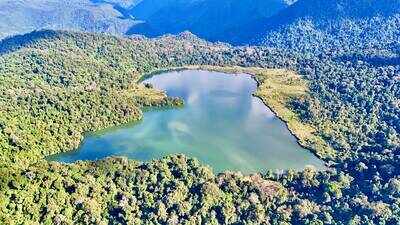
NEW DELHI: India’s one more wetland, Glaw Lake of Arunachal Pradesh, has entered the global list of protected wetlands as a Ramsar site. It is the country’s 101st such site and the state’s first to join the elite club for additional care and conservation.Located within the Kamlang Tiger Reserve and Wildlife Sanctuary, Glaw Lake is a pristine freshwater lake in the Eastern Himalayas and a biodiversity hotspot. The lake is fed by perennial mountain streams and is surrounded by lush vegetation, supporting rich floral diversity.“Every new Ramsar site strengthens our resolve to protect nature while securing the future of communities that depend on these invaluable ecosystems,” said Union environment minister Bhupender Yadav while announcing the development on X on Monday.The Glaw Lake wetland has over 150 tree species and 49 orchid species recorded within the site and its catchment, underscoring its ecological significance and surrounding landscape.“From 26 Ramsar sites in 2014 to 101 today, this remarkable journey reflects our unwavering commitment to environmental protection, biodiversity conservation, and sustainable development,” said Yadav.
Share your thoughts in the comments
Be respectful · TOI community guidelines
Globally, there are nearly 2,600 such designated wetlands under the Ramsar Convention. India has the highest number of such wetlands in Asia and third highest in the world after the UK (176) and Mexico (144).Wetlands are land areas covered by water, either temporarily/ seasonally or permanently. These are critical ecosystems that play a significant role in supporting biodiversity, and providing various ecosystem services such as flood control, water supply, food, fibre and raw materials.


