
Vande Mataram Bill 2026 explained: What changes and what punishment it proposes

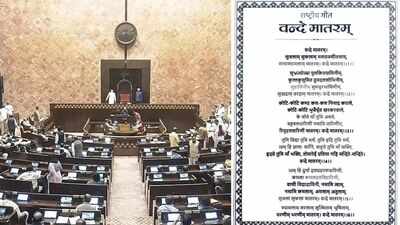
The Rajya Sabha on Wednesday passed the Prevention of Insults to National Honour (Amendment) Bill, 2026, paving the way for Vande Mataram to receive the same statutory protection.The amendment is intended to place Vande Mataram on the same legal footing as Jana Gana Mana with respect to protection against insult or disruption.During a debate in the Rajya Sabha, MoS for home affairs Nityanand Rai said the amendment was “not merely a legislative change” but reflected the country’s commitment to “the soul of India, national consciousness, cultural heritage, and the ideals of the freedom struggle.”What does the current law say?The Prevention of Insults to National Honour Act, 1971 currently provides statutory protection to the National Flag, the Constitution of India, and the National Anthem, Jana Gana Mana.Under Section 3of the Act, it is a punishable offence to intentionally prevent the singing of the national anthem or disturb an assembly engaged in its rendition. Such offences are punishable withimprisonment for up to three years, a fine, or both.What changes does the Bill propose?The amendment seeks to extend the legal protections currently available to the national anthem to Vande Mataram. If enacted into law, deliberately insulting the national song, intentionally preventing its singing, or disrupting an assembly engaged in singing it would become punishable offences.These acts would attract the same penalty as similar offences involving the national anthem under the Prevention of Insults to National Honour Act, 1971, with punishment of up to three years’ imprisonment, a fine, or both.The Rajya Sabha has passed the Bill, but it must complete the remaining constitutional process before becoming law, including any remaining parliamentary approval, if applicable, and receiving the President’s assent.Why was the amendment introduced?The song, composed by Bankim Chandra Chattopadhyay, played a significant role in India’s freedom struggle. At the Constituent Assembly meeting held on January 24, 1950, its President, Dr Rajendra Prasad, stated that Vande Mataram, which had played a historic role in the freedom movement, “shall be honoured equally with Jana Gana Mana” and accorded equal respect, even as Jana Gana Mana was adopted as the national anthem.Despite this recognition,Vande Mataram did not enjoyed the same statutory protection under the Prevention of Insults to National Honour Act, 1971, a gap the proposed amendment seeks to address.The government says the amendment seeks to remove this distinction by extending identical legal safeguards.


