
10 common reasons behind it and what parents can do

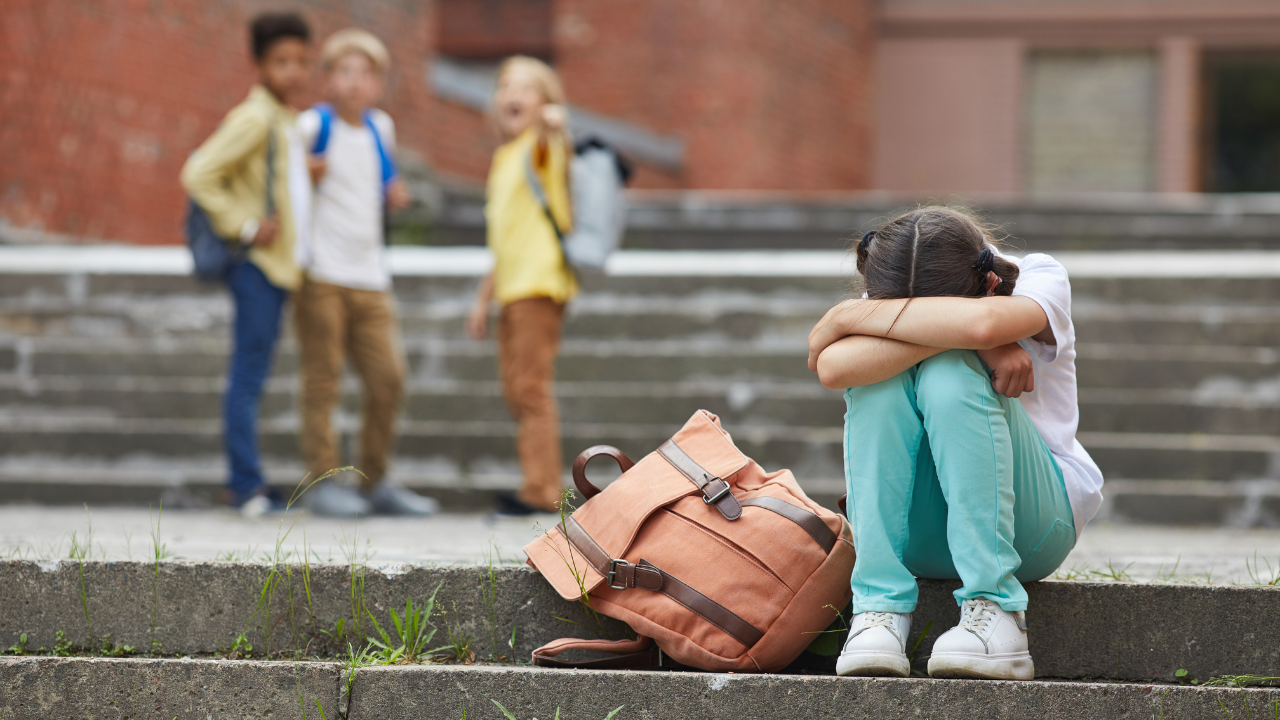
Every parent has heard it at some point. “My stomach hurts.” “I don’t want to go today.” “Can I please stay home?” Most of the time, it feels like an excuse. Maybe your child has a test they aren’t prepared for. Maybe they stayed up too late or simply want another day at home. But when those morning battles become a daily ritual, when tears replace excitement, or when a child who once loved school suddenly begins dreading it, experts say it’s worth looking beyond the surface. Children rarely wake up one day and decide they hate school. More often, refusing to go is their way of communicating something they don’t yet know how to explain. Unlike adults, they may not have the words to say they’re anxious, lonely, overwhelmed or frightened. Instead, those feelings appear as stomach aches, headaches, tantrums, endless delays while getting ready, or complete refusal to leave the house. Psychologists often describe school refusal as a signal rather than the problem itself. The real challenge lies in understanding what that signal is trying to say. Here are some of the most common reasons children begin avoiding school and how parents can respond in a way that helps instead of hurts.


