
Sania Mirza asked her parents what their Plan B was if tennis career failed; Her mother answered, “Get you ….” why parents must believe in their child’s dreams before preparing backups |

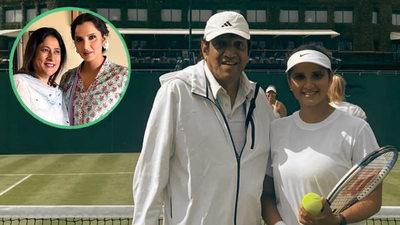
For most parents raising a child with exceptional talent, one question arrives sooner or later: Should they go all in on the dream? When the dream is as demanding as professional sport, the pressure becomes even greater. Should school take a back seat? Should everything else be sacrificed? And what happens if the dream doesn’t work out?In a recent episode of the podcast Serving It Up With Sania, former Indian tennis star Sania Mirza sat down with her parents, Imran Mirza and Nasima Mirza, and looked back at the years when they took a gamble on her tennis career. The conversation was filled with humor, honesty and an important lesson for parents raising ambitious children.
28 Jul 2026 | 16:22
How do you teach children about money and financial responsibility?
“What was Plan B?”
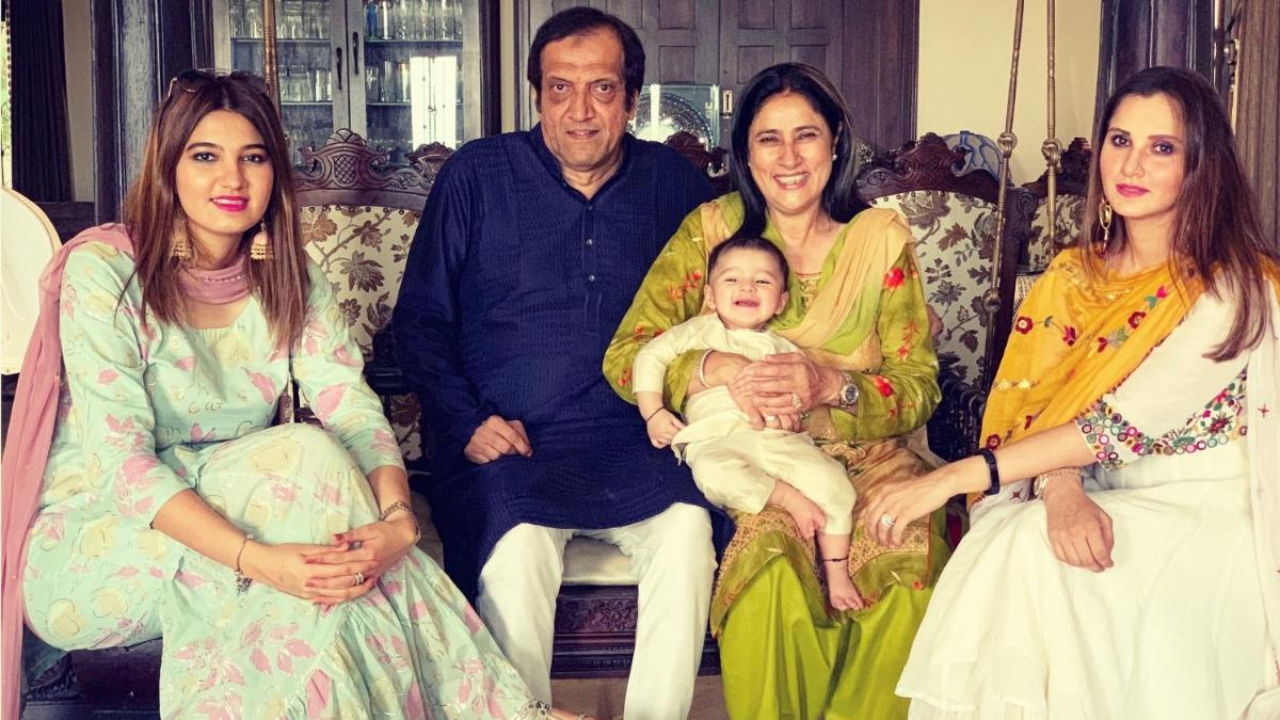
Sania Mirza with her family.
Looking back at the early days of her career, Sania asked the question many people have probably wondered. “What was Plan B? Because there were one in a billion chances that it was not going to work out. Like literally one in a billion and we’re not even exaggerating here. So what was Plan B at that point?” she said.Her mother, Nasima Mirza, answered instantly. “Get you married.” Sania replied cheekily, “Well, that didn’t work out.” Keeping the light-hearted mood going, Nasima joked, “Plan B is for all parents. If you don’t want to study or play, then get married.”Everyone laughed, but Sania quickly steered the conversation towards something much more serious. “But I was getting educated, so I want you to talk about that.”
They never allowed tennis to replace education
Even as Sania’s talent became obvious, her parents refused to let tennis become the only focus of her childhood. Her father, Imran Mirza, recalled that many coaches believed she should quit school and dedicate herself entirely to tennis.“There were so many coaches who would come up to me and say, ‘She’s got some talent. It might be a good idea for her to stop school and just focus on tennis. There can be a career in tennis.’ But that was something I completely disapproved of.”He added further, “Education is something you need to have, irrespective of anything else that you may do. We were very, very adamant that you continue to go to school. It was an extra effort for us, even though you didn’t attend all the classes and stuff.”
School was never just about marks
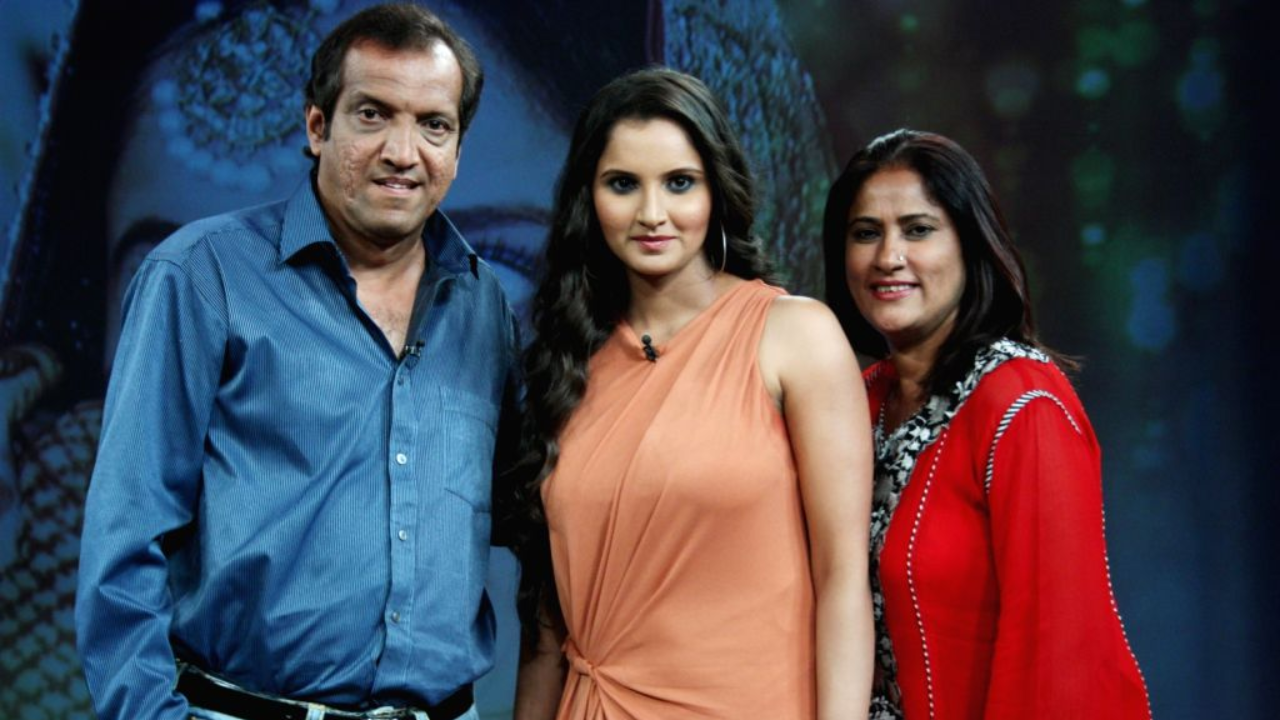
Sania Mirza with her parents.
Imran explained that staying connected to school gave Sania something that sport alone could never offer. “You’re part of a school and an institution. That was important. I think that gives you a personality.” Her mother immediately added, “Confidence also.” Sania agreed. “Social skills, I guess.”“Absolutely. And you have friends from school even today. That you wouldn’t have had if you didn’t go to school. And it’s very important,” said her father.In just a few sentences, the Mirza family highlighted something many parents overlook. School is not only where children prepare for exams. It is where they learn to build friendships, communicate with different people, solve everyday problems and develop confidence outside the home.
The parenting lesson hidden in this conversation
Many parents today face a dilemma similar to the one Sania’s parents faced years ago. A child may be exceptionally good at cricket, badminton, music, dance, coding or content creation. Once success starts coming early, there is often pressure to drop everything else and focus only on that one talent.Sometimes the advice even comes from experts, coaches or well-wishers. But the Mirzas chose a different path. They believed education was not a backup plan for a failed sports career. It was an essential part of raising a well-rounded person.That decision ensured that even while Sania trained at an elite level, she remained connected to classmates, teachers and everyday school life. She completed her board examinations, built friendships that continue even today and developed confidence beyond the tennis court.
Success should never come at the cost of childhood
There is another important takeaway from this conversation. Children who take part in high-performance sports or any other intense pursuit spend hours and hours training. But dedication must be balanced with opportunities to have a normal childhood. These experiences are just as vital for developing emotional intelligence and resilience as intense practice is for developing talent.The Mirzas’ parenting philosophy reminds us that success is rarely about choosing between education and passion. The challenge is finding a way to protect both. Because careers can change. Injuries can happen. Dreams may evolve. But confidence, friendships, social skills and a good education stay with a child for life.


