
A Colorado farm is growing crops under solar panels, using shade to protect plants from heat while generating clean power and extra income

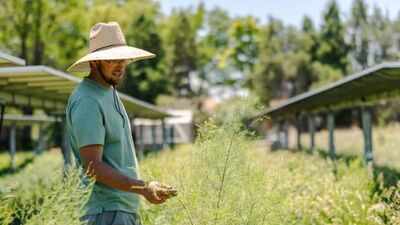
A farm in Colorado is demonstrating how agriculture and renewable energy can thrive on the same piece of land. According to an exclusive report by The Guardian, Jack’s Solar Garden near Longmont has transformed traditional farmland into a pioneering agrivoltaic project where crops are grown beneath solar panels. The panels not only generate clean electricity but also create cooler microclimates that help plants withstand rising temperatures while providing farmers with an additional source of income.
Farming and solar power side by side
When Byron Kominek returned to his family’s 24-acre farm outside Longmont, Colorado, in 2016, he noticed the effects of a warming climate. Hotter summers and declining rainfall meant the grass traditionally grown for hay and silage was no longer as productive as it had once been. Looking for a way to keep the family farm financially viable while adapting to changing conditions, Kominek turned to agrivoltaics.Named after his late grandfather, Jack’s Solar Garden now features around 3,276 solar panels spread across the property. Rather than replacing farming, the elevated panels allow crops and other agricultural activities to continue underneath. The farm also works with university researchers to study how different crops perform under varying levels of shade helping advance knowledge of agrivoltaic farming.The project has evolved into a diverse agricultural space. Alongside vegetables, the farm grows herbs and flax, keeps ducks, geese and chickens and even maintains beehives. Farmers have learned to plant, weed and harvest around the panel supports, turning what could have been obstacles into part of an innovative farming system.
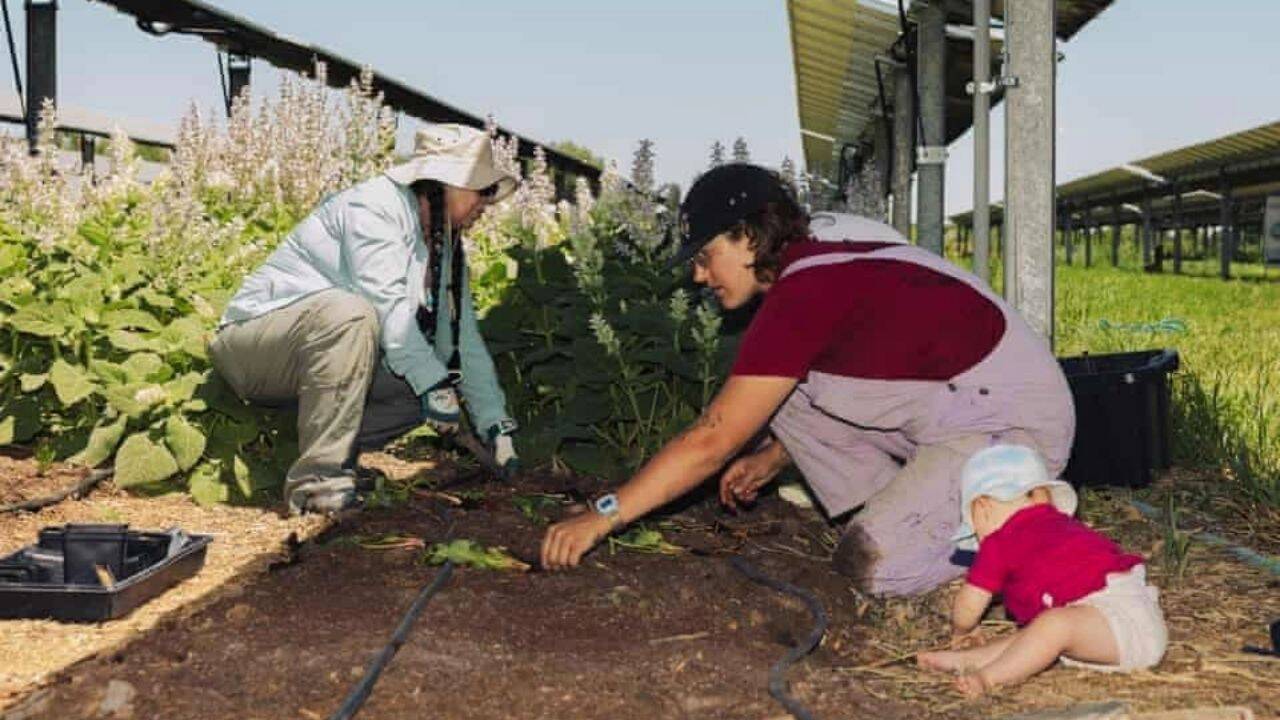
Image Credit: LinkedIn/ @Byron Kominek
How shade is helping crops thrive
Although solar panels block some sunlight, they also protect crops from extreme heat. The shade they create reduces water loss, keeps soil cooler and creates small microclimates that can improve growing conditions for certain plants. According to growers at Jack’s Solar Garden, flax has performed particularly well beneath the panels, while medicinal herbs and several other crops have also benefited from the moderated temperatures.This year, about 1,500 berry bushes were planted in the shade of the solar farm. Kominek expects the panels to protect the crops from excessive summer heat while helping moderate temperature fluctuations during colder months. Once the bushes grow up, the farmer plans to organize a berry-picking area on the farm.According to the researchers, the implementation of agrivoltaics becomes especially important in the context of climate change as heat stress and lack of water become more serious challenges for agriculture. Partial shade provided by solar panels helps reduce irrigation needs by lowering soil temperatures and reducing evaporation.
A model for climate-resilient farming
Beyond supporting crops, the solar installation provides a reliable financial foundation for the farm. The array, which cost about $2 million to build, generates roughly 2 gigawatt-hours of electricity each year, with the power sold to a local utility. According to Kominek, that steady income helps cover the farm’s operating costs and allows him to experiment with new crops and farming methods that might otherwise be too risky.Initiatives such as Jack’s Solar Garden might be a viable approach for farmers that struggle with increasing costs of production, unpredictable weather, and increasing environmental pressures. This initiative helps reduce land-use competition between agriculture and renewable energy and makes farms resilient to changing conditions.With continuing climate change that influences farming around the world, Colorado’s Jack’s Solar Garden gives an example of how land management innovation can tackle many issues at once. By generating electricity and maintaining farmlands at the same time, the initiative demonstrates that food production and renewable energy can coexist on the same land, offering a promising model for climate-resilient farming.


