
SC set aside conviction and death sentence of an accused in Rajasthan’s 1996 Samleti bus blast case NEW DELHI: Holding that legitimacy of a judicial verdict is measured not by severity of the punishment but by the fairness of the processes through which guilt is determined, Supreme Court Tuesday set aside the conviction and death sentence of an accused in Rajasthan’s 1996 Samleti bus blast case in which 14 people had died, noting that meaningful legal assistance was not made available to him to defend himself.To find out if the accused, Abdul Hameed, was represented by a lawyer, SC interacted with him through video from jail and analysed the order sheet of the trial court. It concluded that the accused remained undefended in court proceedings.A bench of Justices Vikram Nath, Sanjay Karol and Sandeep Mehta directed a fresh trial be conducted in the three-decade-old case.”The right to effective legal representation, the presumption of innocence, the burden upon the prosecution to establish guilt beyond reasonable doubt and the requirement that evidence be scrutinised with objectivity and caution are not mere procedural formalities. They are substantive guarantees that distinguish the rule of law from the rule of public opinion,” the court observed.”Justice must not only be done but must manifestly be seen to be done. The legitimacy of a judicial verdict rests not merely upon the outcome reached, but equally upon the fairness, transparency and integrity of the process by which that outcome is achieved,” it added.The court admitted that acts of violence directed against innocent civilians strike at the very foundations of social order and generate understandable feelings of fear, grief and outrage but said it was precisely in such cases that courts must remain steadfast in their adherence to constitutional values. “The gravity of the allegation cannot be permitted to dilute the standard of proof, nor can the enormity of the crime justify a departure from settled principles governing criminal adjudication. The greater the public outcry, the greater becomes the responsibility of the court to ensure that the determination of guilt is based solely upon law and evidence,” it said.The court requested acting Chief Justice of Rajasthan HC to designate a special court in Jaipur to conduct the de novo trial (retrial). It said the special court shall be presided over by an officer of the Rajasthan higher judicial service having not less than seven years’ experience of conducting sessions trials and it shall make every endeavour to conclude the trial within a year from the date of assignment of the case.It said if the accused is unable to engage a counsel, the special court shall secure competent legal representation for him to ensure effective and meaningful legal assistance throughout the proceedings.Get the latest India News and Live updates. Download the TOI app.End of ArticleFollow Us On Social MediaVideos’This Is Not Done’: Jitendra Singh Claims Rahul Gandhi ‘Changed His Demands’, Hails PM ModiCJP Removes Vijeta Dahiya As Spokesperson After He Defends Leaving Protest To Eat BurgerRahul Gandhi Leads Congress Protest At PM Modi’s Doorstep, Demands Pradhan’s ResignationMamata Banerjee Shuts Door On TMC Rebels, Pushes Opposition Unity Against BJPRahul Gandhi Demands PM Modi’s Apology Over CJP Protest Crackdown, Calls Action ‘Un-Indian’Delhi HC Orders Sonam Wangchuk Shifted To Medanta; Political Leaders Visit Injured CJP ProtestersPM Modi Calls NEET Leak A ‘Ghor Paap’, Says 13 Accused Arrested As Probe Intensifies’They Are Beating Everyone…’ Inside CJP Protest: Police Action, Clashes & Tear Gas In DelhiFarmers Mobilise To Protest Against India–US Trade Talks, Security Posed At Delhi BordersExplained: Why India Wants To Rewrite The Indus Waters Treaty?123PhotostoriesFrom an emotional moment with her father to walking down the aisle with husband William Ishmael: A look at Jennifer Winget’s dreamy wedding photos5 longest rivers in the U.S and the incredible wildlife you can spot thereNot even designer Neeta Lulla can recreate Aishwarya Rai Bachchan’s 10-metre-long royal blue ‘Devdas’ saree; Here’s whyGen Z don’t travel the millennial way! Why-cations to Menty B travel, the new holiday lingo5 things travellers need to keep in mind before visiting Meenakshi Amman Temple in MaduraiYour weekly mantra based on your birth date for peace and positivityAshwagandha to Vitamin A: Common gym supplements that could be triggering your hair loss10 beautiful baby boy names inspired by the sunrise and first light”I think it has great nutrition”: Why John Abraham calls this spread ‘Great Nutrition’ and 7 ways you can add it in your breakfastFeeling too tired after work? 5 simple Ayurvedic habits that can make a big difference in a short span of time123Hot PicksMMU ET 2026 resultPNB LBO RecruitmentEl NiñoE20 petrolSonam WangchukCBI Funds ManagementHimachal school holidayDCET Round 1 option entryPune rapeTop TrendingWWE Raw HighlightsAbhijeet DipkeDelhi Cylinder BlastIndia US Trade DealDelhi Farmers ProtestPune Student Sexual AssaultSBI Funds ManagementDiljit DosanjhTripura DGP DeathIND U19 vs Sri Lanka U19

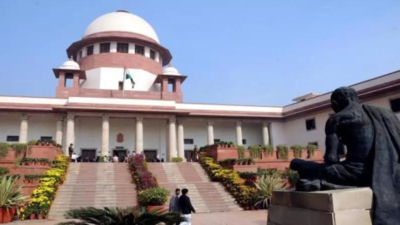
NEW DELHI: Holding that legitimacy of a judicial verdict is measured not by severity of the punishment but by the fairness of the processes through which guilt is determined, Supreme Court Tuesday set aside the conviction and death sentence of an accused in Rajasthan’s 1996 Samleti bus blast case in which 14 people had died, noting that meaningful legal assistance was not made available to him to defend himself.To find out if the accused, Abdul Hameed, was represented by a lawyer, SC interacted with him through video from jail and analysed the order sheet of the trial court. It concluded that the accused remained undefended in court proceedings.A bench of Justices Vikram Nath, Sanjay Karol and Sandeep Mehta directed a fresh trial be conducted in the three-decade-old case.“The right to effective legal representation, the presumption of innocence, the burden upon the prosecution to establish guilt beyond reasonable doubt and the requirement that evidence be scrutinised with objectivity and caution are not mere procedural formalities. They are substantive guarantees that distinguish the rule of law from the rule of public opinion,” the court observed.“Justice must not only be done but must manifestly be seen to be done. The legitimacy of a judicial verdict rests not merely upon the outcome reached, but equally upon the fairness, transparency and integrity of the process by which that outcome is achieved,” it added.The court admitted that acts of violence directed against innocent civilians strike at the very foundations of social order and generate understandable feelings of fear, grief and outrage but said it was precisely in such cases that courts must remain steadfast in their adherence to constitutional values. “The gravity of the allegation cannot be permitted to dilute the standard of proof, nor can the enormity of the crime justify a departure from settled principles governing criminal adjudication. The greater the public outcry, the greater becomes the responsibility of the court to ensure that the determination of guilt is based solely upon law and evidence,” it said.The court requested acting Chief Justice of Rajasthan HC to designate a special court in Jaipur to conduct the de novo trial (retrial). It said the special court shall be presided over by an officer of the Rajasthan higher judicial service having not less than seven years’ experience of conducting sessions trials and it shall make every endeavour to conclude the trial within a year from the date of assignment of the case.It said if the accused is unable to engage a counsel, the special court shall secure competent legal representation for him to ensure effective and meaningful legal assistance throughout the proceedings.


