
What is a light novel and how does it become an anime?

These books have become one of the anime industry’s richest sources of original stories, offering everything from fantasy adventures and romance to psychological thrillers and mysteries. But what exactly is a light novel, and what does it take for one to make the jump from bookstore shelves to television screens?

Image credit : Crunchyroll | longtime fans frequently recommend reading the original light novels
What is a light novel ?
A light novel is a style of Japanese novel written primarily for teenagers and young adults. Unlike traditional novels, light novels use simpler language, shorter chapters, and fast-paced storytelling, making them easy to read while still delivering engaging narratives.
They also feature occasional black-and-white illustrations in an anime-inspired art style. These illustrations usually highlight important scenes or introduce major characters rather than appearing on every page.
Although they’re called “light” novels, the stories themselves can be anything but lighthearted. Many feature layered characters, emotional conflicts, intricate fantasy worlds, and long-running plots that span dozens of volumes.
How is a light novel different from a manga?
It’s easy to confuse light novels with manga because both are popular sources for anime adaptations, but they tell stories in very different ways.
A manga relies on sequential artwork to move the story forward, similar to a comic book. A light novel, meanwhile, is mostly text, using illustrations only occasionally.
Because of this, light novels often spend more time exploring a character’s thoughts, explaining the rules of a fictional world, or diving into conversations that might be shortened in a manga or anime adaptation.
Readers who enjoy detailed storytelling often prefer light novels because they provide context that isn’t always shown on screen.
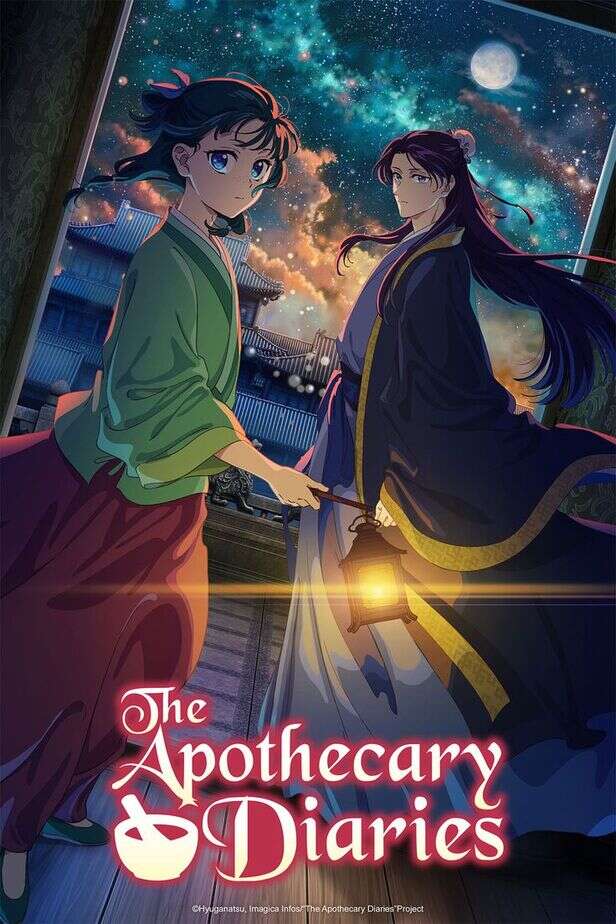
Image credit : Crunchyroll | The story has already been tested by readers
Where do light novels begin?
Many successful light novels actually start life as web novels.
Writers post their stories on online publishing platforms where readers can follow new chapters for free. If a series attracts enough attention, a publisher may acquire the rights, edit the story, add professional illustrations, and release it as an official light novel.
A great example is Re − Starting Life in Another World, which first gained popularity online before becoming a bestselling light novel and later a globally successful anime.
That Time I Got Reincarnated as a Slime followed a similar journey, proving that online stories can grow into multimedia franchises.
How does a light novel become an anime?
Getting an anime adaptation is a long process, and popularity is only one piece of the puzzle.
Publishers first look at how well a series performs in terms of sales. If each new volume consistently sells well and attracts loyal readers, it becomes a stronger candidate for adaptation.
The size of the fanbase also matters. A light novel that generates online discussion, sells merchandise, and maintains strong readership is more likely to catch the attention of production companies.
Some light novels receive manga adaptations before anime, allowing publishers to introduce the story to an even wider audience. If the series continues to grow, a production committee, made up of publishers, animation studios, broadcasters, streaming services, and other investors, may decide to finance an anime adaptation.
Only after funding, scheduling, and a studio are secured does production officially begin.
Why are so many anime adapted from light novels?
For anime producers, adapting a successful light novel is often less risky than creating an original series.
The story has already been tested by readers, meaning there’s an existing audience ready to support the anime. That built-in popularity can translate into stronger streaming numbers, Blu-ray sales, merchandise, and future seasons.
Light novels also tend to be much longer than manga series in terms of story content. Many run for 15, 20, or even 30 volumes, giving studios enough material to produce multiple seasons if the adaptation performs well.
Famous anime that started as light novels
Some of the most recognizable anime of the past two decades began as light novels.
Sword Art Online helped popularize the virtual reality genre and grew from a light novel into one of anime’s biggest multimedia franchises.
The Apothecary Diaries transformed its historical mystery into one of the most acclaimed recent anime, thanks to its compelling characters and palace intrigue.
Other notable examples include Mushoku Tensei: Jobless Reincarnation, Konosuba: God’s Blessing on This Wonderful World! , No Game No Life, Rascal Does Not Dream of Bunny Girl Senpai, The Melancholy of Haruhi Suzumiya, Overlord, 86 Eighty-Six, and The Rising of the Shield Hero.
These series demonstrate how light novels have become a foundation for many of today’s biggest anime franchises.

Image credit : Crunchyroll | adapting a successful light novel is often less risky than creating an original series.
Does the anime include everything from the light novel?
Usually not.
Anime adaptations often have limited episode counts, forcing studios to condense several novel volumes into a single season. While the main storyline is typically preserved, smaller character moments, worldbuilding details, and internal monologues are often reduced or removed.
This is why longtime fans frequently recommend reading the original light novels after finishing an anime. They often reveal additional scenes, richer character development, and storylines that never make it into the adaptation.
In many cases, the anime also ends long before the novels do, leaving readers with plenty more content to explore.


